Magic Mirror
2006
No user ratings available yet
Diversity score: 3.8 out of 10
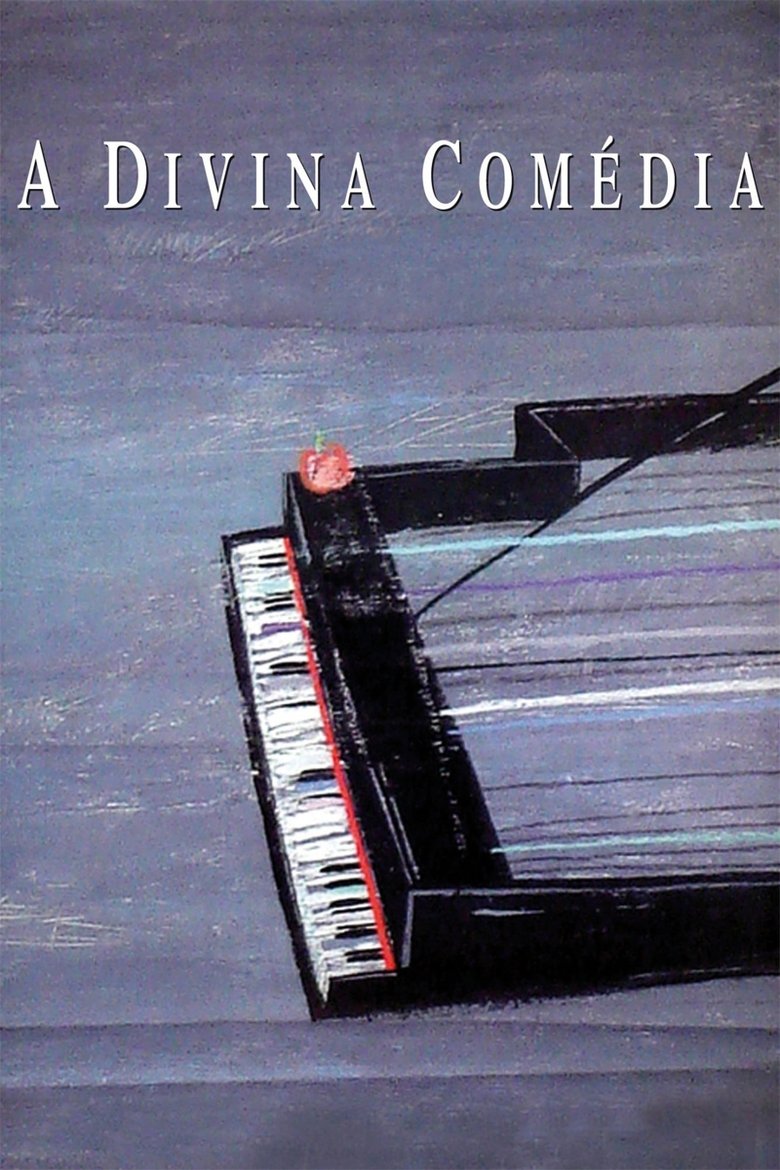
1991
Director
Manoel de Oliveira
Runtime
136 minutes
Average Rating
No ratings yetSynopsis
In a mental institution the patients see themselves as people like Jesus, Lázaro, Marta, Maria, Adão, Eve, Sonia, Raskolnikov, Aliosha e Ivan Karamasov, a Philosopher, a Profet, Santa Teresa d'Avila, reciting the Divine Comedy.
Overall Score
Limited
Category Breakdown
LGBTQ+ Representation
The film adheres to 14th-century theological frameworks. There is no depiction of non-cisnormative identities or same-sex intimacy, as characters serve as symbolic vessels for spiritual concepts.
Gender Representation
Gender roles follow traditional theological archetypes. While female figures like Beatrice appear, they function as religious icons of grace rather than subverting historical gender hierarchies.
Racial & Ethnic Diversity
The production lacks significant racial or ethnic diversity. Casting aligns with the Eurocentric origins of the source material, focusing on metaphysical abstraction over multiculturalism.
Religious & Cultural Diversity
The narrative is deeply embedded in Western religious structures. It prioritizes Christian morality and divine justice, celebrating the cosmic order found in Catholic theology.
Disability Representation
The mental institution setting introduces themes of neurodivergence. However, these elements function as allegorical devices for the soul's journey rather than nuanced depictions of lived experience.
Strengths
Areas for Improvement
AI Analysis
Manoel de Oliveira’s adaptation is a highly stylized, theatrical abstraction that prioritizes metaphysical inquiry over social realism. It functions as a poetic deconstruction of classical literature through a minimalist, stage-like lens. The film maintains a conservative narrative architecture by adhering to the Eurocentric and theological structures of Dante's original text. It does not seek to introduce contemporary intersectional perspectives or disrupt traditional hierarchies. Ultimately, the work uses a postmodern aesthetic to reinforce the timelessness of traditional Western spiritual archetypes rather than exploring modern social dynamics.
2006
1975

1984

1943
1951

2003

1963
2010
2009
2011

1993
1958
No reviews yet. Be the first to share your thoughts on this movie!
Use the rating form above to leave a star rating and optional review.