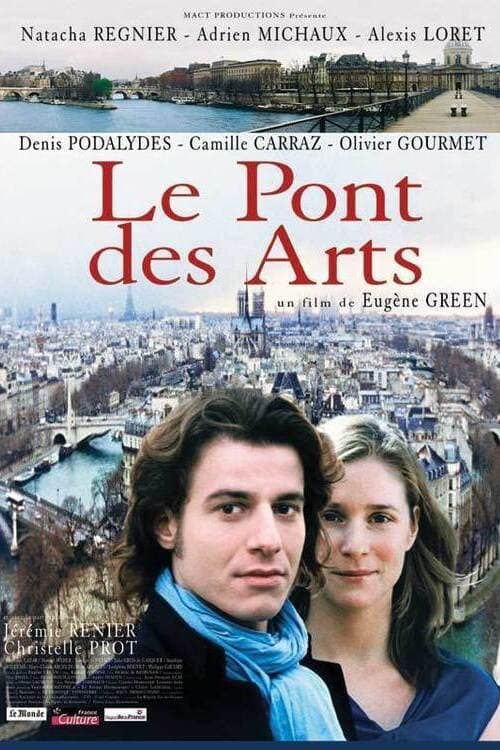
The Bridge of Arts
2004
No user ratings available yet
Diversity score: 3.6 out of 10
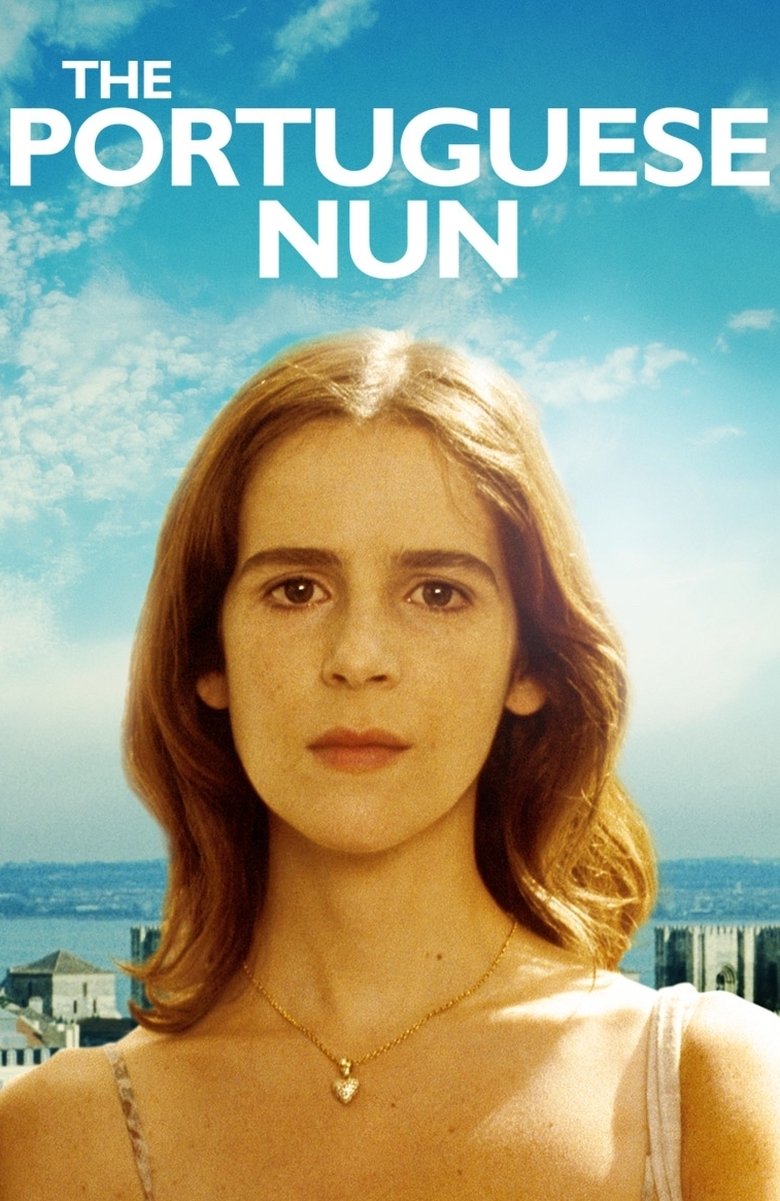
2009
Director
Eugène Green
Runtime
127 minutes
Average Rating
No ratings yetSynopsis
A young French actress in Lisbon to shoot a movie is intrigued by a nun she sees kneeling in the chapel where she is filming.
Overall Score
Limited
Category Breakdown
LGBTQ+ Representation
The film lacks explicit LGBTQ+ characters or non-cisnormative identities. While it explores intense emotional and spiritual bonds, these dynamics lack the semiotic markers necessary to be categorized as queer-coded.
Gender Representation
The story offers a nuanced look at female agency within 17th-century hierarchies. The protagonist subverts patriarchal expectations by choosing religious life to reject domestic and reproductive roles.
Racial & Ethnic Diversity
The cast is predominantly white and Anglo-European, reflecting the 17th-century European setting. The film adheres to a strict historical realism rather than utilizing color-blind casting.
Religious & Cultural Diversity
Catholicism serves as the central framework for the protagonist's journey. The narrative operates within a lens of spiritual devotion rather than prioritizing secularism or critiques of Western institutions.
Disability Representation
There is no significant evidence of characters with visible or invisible disabilities. The focus remains on the psychological and spiritual states of the central figures.
Strengths
Areas for Improvement
AI Analysis
The film functions as a formalist period drama that prioritizes aesthetic distance and spiritual inquiry over modern social representation. Its primary strength lies in its depiction of gendered autonomy within a historical context. However, the work remains heavily tethered to traditional Western religious and racial frameworks. This adherence to historical homogeneity limits its intersectional impact. Ultimately, the film explores individual agency through the lens of piety rather than through a lens of contemporary social disruption.
2004

2004
2005

1994
2009
2015

2022
2012
2013
2002
1986
2007
No reviews yet. Be the first to share your thoughts on this movie!
Use the rating form above to leave a star rating and optional review.