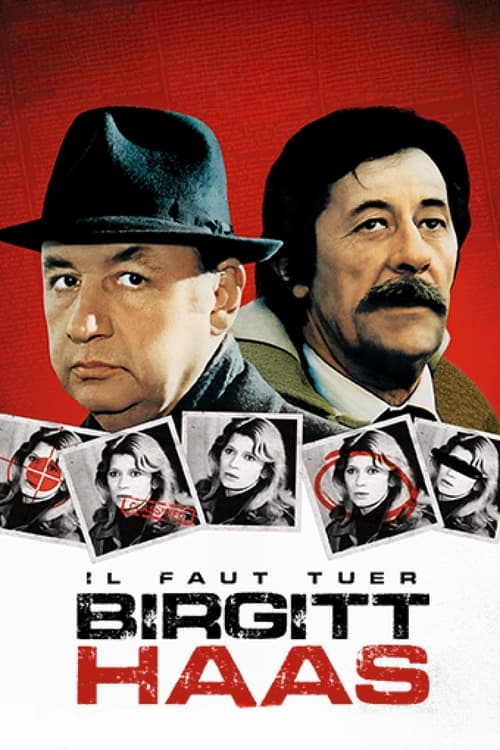
Birgit Haas Must Be Killed
1981
No user ratings available yet
Representation score: 5.1 out of 10
Representation Score
Fair
1990
Director
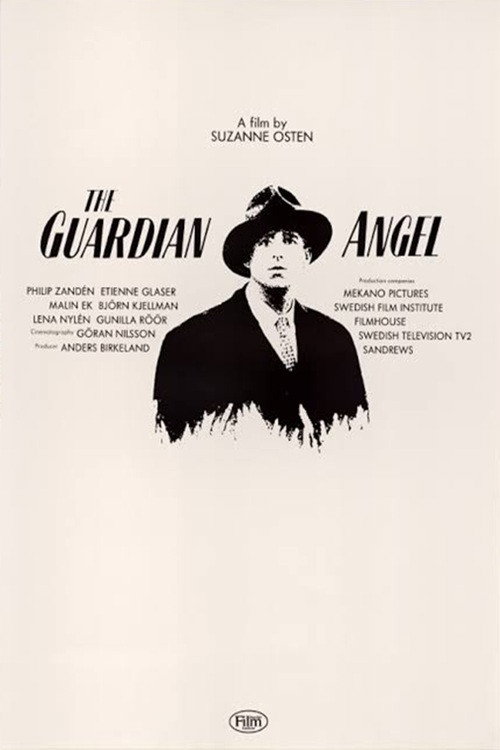
Suzanne Osten
Runtime
108 minutes
Average Rating
No ratings yetNew Showbiz Analysis
The Guardian Angel functions as a critique of institutional power rather than a showcase of demographic variety. While the historical 1912 setting limits racial and ethnic breadth, the film uses political friction to explore social hierarchies. Suzanne Osten’s direction leans toward subverting established social roles. The protagonist's infiltration of a powerful family's private sphere creates a tension that challenges traditional domestic and political structures. Ultimately, the film's strength lies in its thematic complexity, prioritizing the disruption of stability and the examination of systemic oppression over overt representation of underrepresented identities.
Category Breakdown
While the film doesn't explicitly depict LGBTQ+ identities or same-sex intimacy, the plot involving an assassin infiltrating a domestic space hints at themes of fluid identities and subverting social roles.
The narrative challenges traditional masculine leadership by placing a bodyguard in a position of hidden influence. The focus on the Birkman family's domestic politics suggests a challenge to patriarchal hierarchies.
Set in 1912 Europe, the film likely reflects the demographic constraints of that era. The focus on student protests and political upheaval serves as a proxy for exploring systemic social divisions.
The film critiques established Western institutions by framing the state as an oppressive force. The plot centers on political upheaval and the moral complexities of challenging institutional stability.
There is no evidence regarding the portrayal of physical or neurodivergent disabilities within the narrative.
Present on Screen
Limited or Absent
Official Synopsis
An unspecified European country ca 1912 in the throws of political upheaval. A man only dressed in black (Jacob, played by Philip Zandén) is hired to assassinate the Interior Minister Joel Birkman (Etienne Glaser) after a particular brutal strike down of a student protest. He takes up work as the minister's bodyguard at his summer residence, and get's entangled in the affairs and politics of the Birkman family.
1981
1971
1970
1970

2002
1990

1986
1995
No reviews yet. Be the first to share your thoughts on this movie!
Use the rating form above to leave a star rating and optional review.