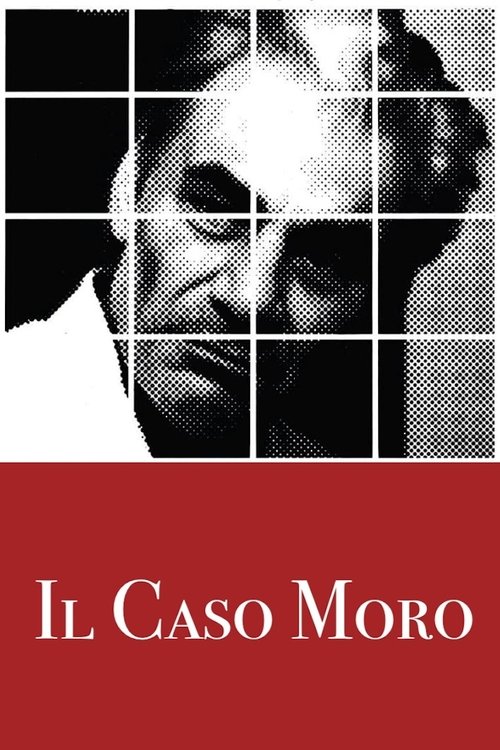
The Moro Affair
1986
No user ratings available yet
Representation score: 4.0 out of 10

Representation Score
Fair
1994
Director
Pierre Falardeau
Runtime
97 minutes
Average Rating
No ratings yetNew Showbiz Analysis
Pierre Falardeau’s film is a focused study of post-colonial tension and political resistance. It successfully deconstructs traditional state-centric hierarchies by highlighting the FLQ's struggle for sovereignty against the Canadian federal structure. While the film offers a powerful critique of systemic power and Western hegemony, it remains narrow in its demographic scope. Its focus on 1970s political militancy leads to a lack of representation for LGBTQ+ and disabled individuals. Overall, the film is a specialized piece of political cinema. It prioritizes a deep exploration of cultural and nationalist identity within a specific historical context over broad demographic diversity.
Category Breakdown
The film doesn't include any visible LGBTQ+ characters or stories. Instead, it focuses on the socio-political struggle of the Front de Libération du Québec (FLQ), emphasizing nationalist and class-based identities rather than queer representation.
The story revolves around militant cells and government officials, roles typically filled by men. However, the film's critique of state power might challenge traditional male authority structures.
The cast seems to be made up of mostly one ethnic group, yet the film centers on the struggle for Quebec sovereignty. By focusing on a culturally distinct group's fight for self-determination, it disrupts Anglo-Canadian norms.
The film excels in representing cultural struggles by presenting the Canadian state as an oppressive force. It prioritizes the perspective of nationalists against established Western institutions.
There is no indication that disability or neurodivergence plays a role in the character arcs. The narrative does not address these themes.
Present on Screen
Limited or Absent
Official Synopsis
A dramatization of the abduction and murder of a Quebec government minister by a cell of The Quebec Liberation Front. In October 1970, one group from the same organization kidnapped James Cross, the British Trade Commissioner in Montreal. A few days later, a second group kidnapped Pierre Laporte, a minister of the Liberal government. The film tells the story of this last terrorist cell which ended in the cold blooded murder of Laporte.
1986
1997

2015

2011
1999
2006
1974
2010
No reviews yet. Be the first to share your thoughts on this movie!
Use the rating form above to leave a star rating and optional review.