
West
2013
No user ratings available yet
Representation score: 5.5 out of 10
Representation Score
Limited
1994
Director
Lienhard Wawrzyn
Runtime
96 minutes
Average Rating
No ratings yetNew Showbiz Analysis
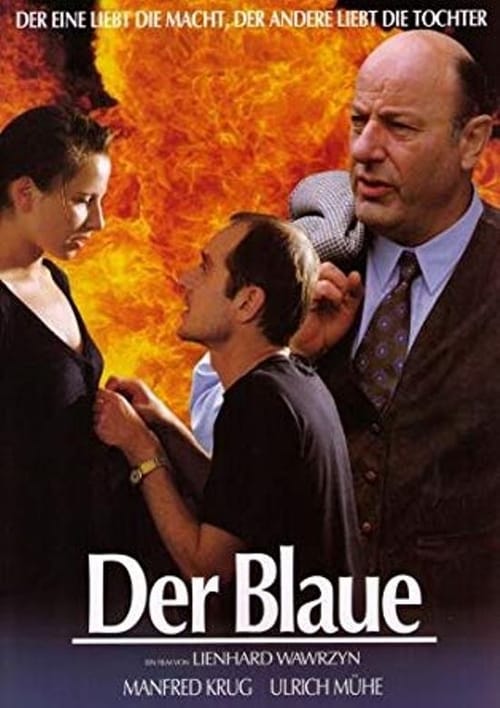
The Blue One is a localized German political drama that prioritizes historical and systemic critique over diverse representation. While it excels at deconstructing the morality of government institutions, it remains anchored in a very specific, homogeneous historical setting. The film's strength lies in its cultural engagement with the aftermath of a surveillance state. However, this thematic depth is offset by a lack of diversity in gender, race, and LGBTQ+ identities, reflecting the era's narrow focus.
Category Breakdown
The film does not include any explicit LGBTQ+ characters or explore non-straight identities. The story revolves around male relationships and a traditional romantic plot.
The narrative emphasizes a male-dominated political structure. Isabelle's role seems secondary, focusing mainly on her relationships with the two male leads.
The cast appears ethnically uniform, set within a specific East German historical context. There is no indication of significant non-white representation in this localized drama.
The film provides a strong critique of state-sponsored power and institutional morality. It deconstructs authority by examining the duplicity and betrayal inherent in a surveillance state.
There is no mention of characters with visible or invisible disabilities in the narrative.
Present on Screen
Limited or Absent
Official Synopsis
In this German political drama, an ex-Stasi agent encounters an old friend whom he may have betrayed after his friend tried to escape East Germany. The former East German agent is Otto Skrodt who after many years is about to be promoted in the highest government ranks. He is anxious to maintain a squeaky clean image. His daughter is Isabelle. The young and friendly Kalle returns after spending many years in jail for his escape attempts. He doesn't know exactly who blew the whistle, but his friend Skrodt is definitely under suspicion. Kalle returns to ostensibly renew the friendship and to see Isabelle whom he loves. The duplicitous friendship between the two men becomes the main focus of the story which features interesting plot twists at the end.
2013
1970
1992

2007

2000

1990
2004
1969
No reviews yet. Be the first to share your thoughts on this movie!
Use the rating form above to leave a star rating and optional review.