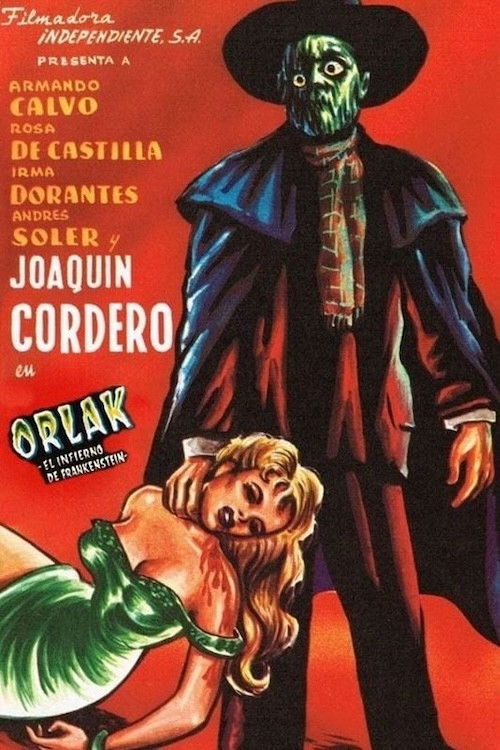
Orlak, the Hell of Frankenstein
1960
No user ratings available yet
Representation score: 4.0 out of 10
Representation Score
Minimal
1958
NRDirector
Eugène Lourié
Runtime
70 minutes
Average Rating
No ratings yetNew Showbiz Analysis
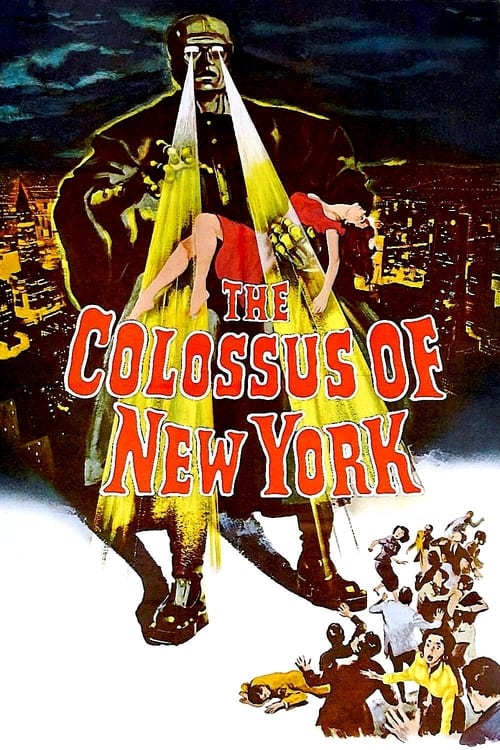
The Colossus of New York is a mid-century disaster film that emphasizes institutional stability over social exploration. It reinforces traditional gender and racial hierarchies through its focus on professional and municipal authority. Representation is limited across various categories, focusing instead on technical problem-solving and the preservation of urban infrastructure. The film reflects the social constraints of the 1950s, centered around a homogeneous cast and conventional power structures.
Category Breakdown
The film does not include any LGBTQ+ characters or non-cisgender identities. The story focuses exclusively on the professional and domestic lives of the 1950s.
Male characters hold most positions of authority in science and municipal governance. Female characters are mostly confined to emotional or domestic roles.
The cast is predominantly white and Anglo-Saxon, with no significant representation of minorities in key roles.
The film highlights the importance of Western institutions and civic duty, emphasizing their effectiveness without questioning them.
The film does not feature any prominent characters with physical or neurodivergent disabilities.
Present on Screen
Limited or Absent
Official Synopsis
A brilliant surgeon encases his dead son's brain in a large robot body, with unintended results...
1960
1969
1967

1958
1941

1974

1957
1960
No reviews yet. Be the first to share your thoughts on this movie!
Use the rating form above to leave a star rating and optional review.