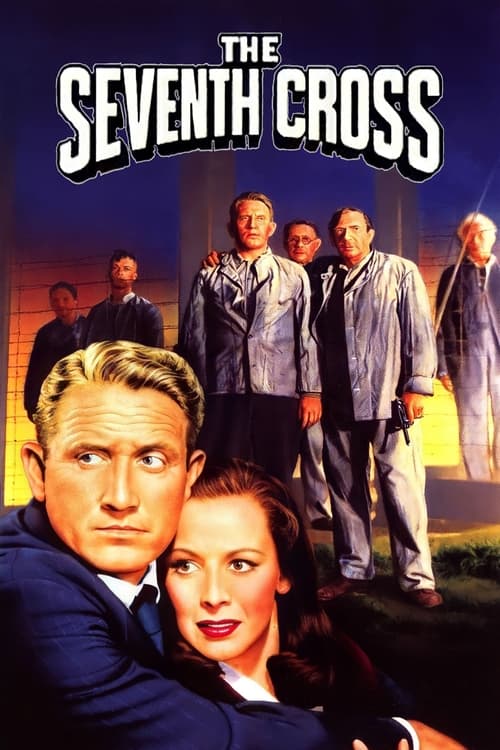
The Seventh Cross
1944
No user ratings available yet
Representation score: 2.9 out of 10

Representation Score
Minimal
1940
NRDirector
Carol Reed
Runtime
96 minutes
Average Rating
No ratings yetNew Showbiz Analysis
Night Train to Munich is a wartime production that prioritizes geopolitical tension and moral clarity over social complexity. It serves as a narrative response to totalitarianism, using a traditional framework to depict the struggle against the Nazi regime. The film upholds the rigid social hierarchies of its time, maintaining conventional norms regarding race, gender, and identity. While it effectively critiques the Third Reich, it does so through a lens that reinforces the existing status quo of the Allied powers. Ultimately, the work lacks depth in reflecting multiple aspects of identity, offering a highly structured, Western-centric perspective that avoids challenging established social roles.
Category Breakdown
The film does not include any characters or situations that reflect LGBTQ+ identities or non-straight relationships. The story centers on geopolitical conflicts using traditional social structures.
Women in the film are mostly confined to supporting or secondary roles within domestic or romantic contexts. Male characters dominate the espionage storyline and have more influence over the plot.
The cast consists of a homogeneous, white, European ensemble typical of early 1940s British cinema. The film lacks diverse ethnic representation, focusing on a localized, Western-centric viewpoint.
The narrative emphasizes Western Allied interests by presenting a clear moral distinction. It establishes a structured view of good versus evil to meet wartime patriotic demands.
There are no characters with visible or invisible disabilities that play central roles in the plot. The film does not utilize any specific disability clichés.
Present on Screen
Limited or Absent
Official Synopsis
Czechoslovakia, March 1939, on the eve of World War II. As the German invaders occupy Prague, inventor Axel Bomasch manages to flee and reach England; but those who need to put his knowledge at the service of the Nazi war machine, in order to carry out their evil plans of destruction, will stop at nothing to capture him.
1944

1943
1964

1943
1946
1941
1957

1952
No reviews yet. Be the first to share your thoughts on this movie!
Use the rating form above to leave a star rating and optional review.