Morituri
1965
No user ratings available yet
Representation score: 1.9 out of 10
Representation Score
Minimal
1965
PGDirector
James B. Harris
Runtime
102 minutes
Average Rating
No ratings yetNew Showbiz Analysis
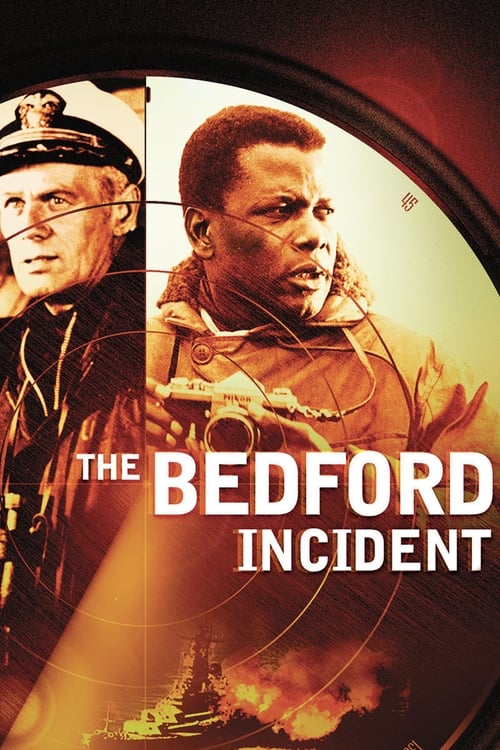
The Bedford Incident is a psychological study of Cold War paranoia, focusing on a narrow, homogeneous depiction of mid-century military life. While it lacks diverse representation, it offers intellectual depth by deconstructing traditional military command structures. The film critiques the 'rational leader' archetype and the dangers of reckless aggression.
Category Breakdown
The film focuses on a heterosexual military environment with no representations of queer identities or same-sex relationships.
The cast is predominantly male, reflecting the constraints of mid-century naval operations. Women are excluded from the central conflict and power dynamics.
The crew is mostly white and homogeneous, mirroring the demographics of the U.S. Navy during the 1960s.
The film challenges the traditional heroic military archetype by showing the fragility of superpower brinkmanship and questioning Western institutional stability.
There are no disabilities portrayed with real depth. Mental instability is used as a plot device rather than a nuanced exploration of neurodivergence.
Present on Screen
Limited or Absent
Official Synopsis
During a routine patrol, a reporter is given permission to interview a hardened cold-war warrior and captain of the American destroyer USS Bedford. The reporter gets more than he bargained for when the Bedford discovers a Soviet sub and the captain begins a relentless pursuit, pushing his crew to breaking point.
1965
1957
1970
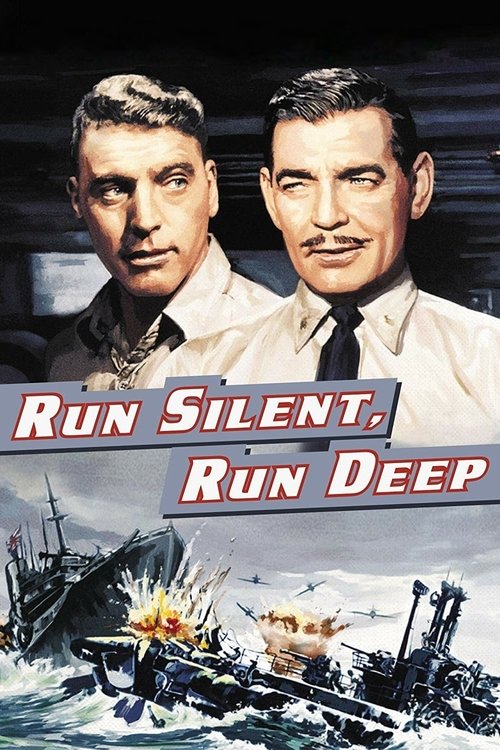
1958
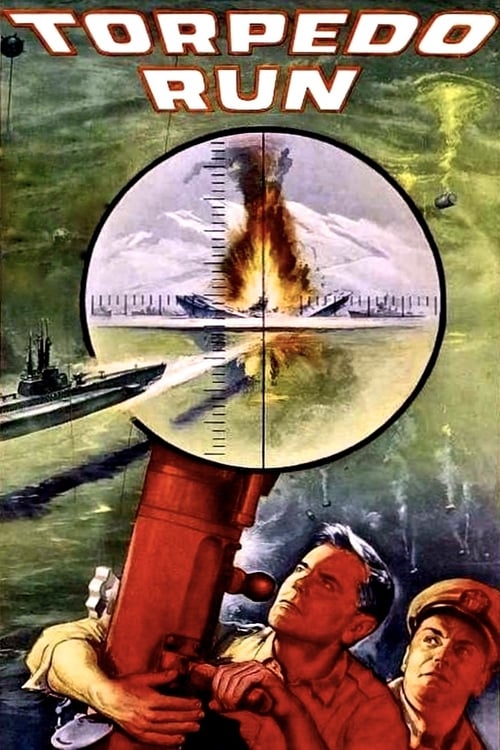
1958

1965

1978
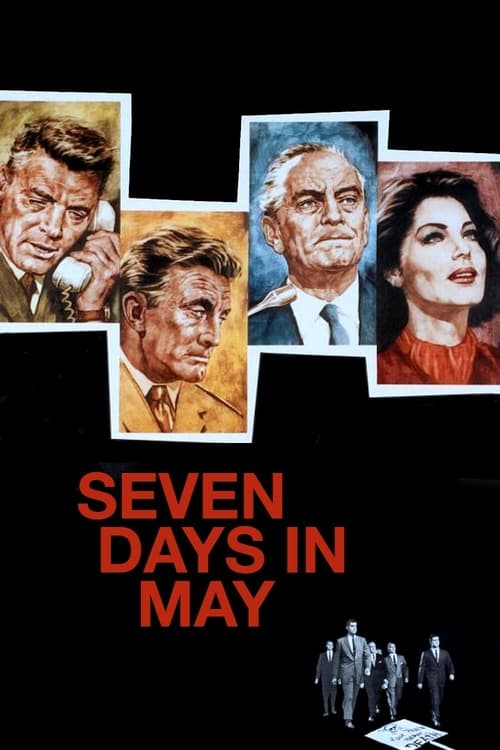
1964
No reviews yet. Be the first to share your thoughts on this movie!
Use the rating form above to leave a star rating and optional review.