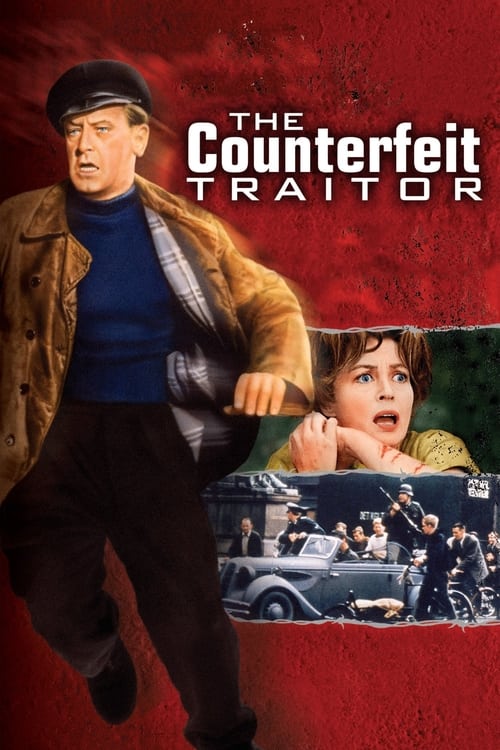
The Counterfeit Traitor
1962
No user ratings available yet
Representation score: 0.3 out of 10
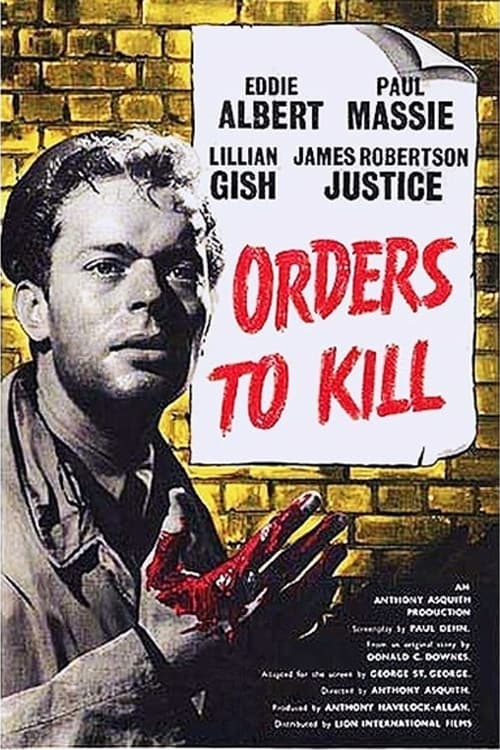
Representation Score
Minimal
1958
Director
Anthony Asquith
Runtime
107 minutes
Average Rating
No ratings yetNew Showbiz Analysis
Orders to Kill is a mid-century psychological war drama that prioritizes moral complexity over demographic variety. While it succeeds in exploring the friction between institutional mandates and individual ethics, it does so within a very narrow social framework. The film functions as a study of Western military hierarchy, focusing on the psychological burden of violence. However, this intellectual depth is paired with significant demographic homogeneity. Ultimately, the work lacks multi-layered representation, adhering to the traditionalist social constraints of 1958 through its casting and character dynamics.
Category Breakdown
The film maintains a strictly straight-centered structure, with no queer subtext or non-cisgender identities present.
The narrative centers almost exclusively on male-driven military environments. Women are relegated to peripheral roles, reinforcing the traditional patriarchal framework of the era.
The cast is predominantly white, reflecting the specific British and German military forces of the period. The film lacks diverse ethnic representation.
The story offers a nuanced critique of the dehumanizing effects of military institutions. It explores the psychological tension between state-sanctioned duty and personal conscience.
No visible or invisible disabilities are portrayed within the character arcs. The focus remains on psychological tension and moral fortitude.
Present on Screen
Limited or Absent
Official Synopsis
A grounded American fighter pilot is switched to espionage on a special job in which he must kill a small-time Paris lawyer suspected of double-crossing France by selling out radio operators to the Nazis.
1962
1952
1941

1943
1964

1969
1947
1941
No reviews yet. Be the first to share your thoughts on this movie!
Use the rating form above to leave a star rating and optional review.