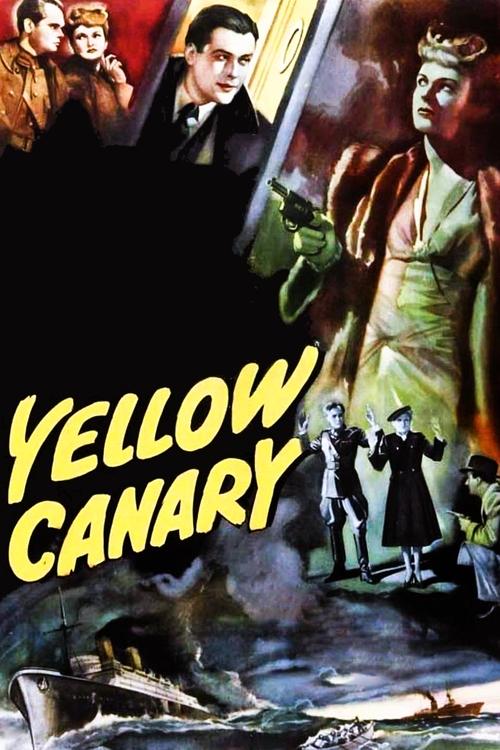
Yellow Canary
1943
No user ratings available yet
Representation score: 1.8 out of 10
Representation Score
Limited
1946
ApprovedDirector
Frank Launder
Runtime
112 minutes
Average Rating
No ratings yetNew Showbiz Analysis
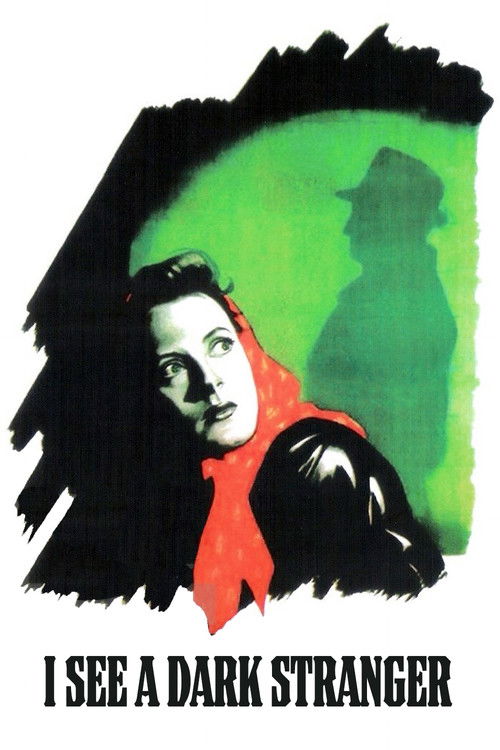
I See a Dark Stranger is a product of its mid-1940s era, emphasizing wartime espionage and traditional romantic clichés. While it avoids passive female archetypes by giving Bridie Quilty a central, high-stakes role, the narrative remains tied to conventional courtship patterns. The film's scope is culturally narrow, focusing primarily on Irish and British identities during World War II. This creates a localized tension regarding national loyalty but lacks the multi-ethnic or multi-layered depth found in modern cinema. Ultimately, the work functions as a standard period drama. It offers a degree of women's ability to drive the story but operates within a strictly Western-centric worldview.
Category Breakdown
The film adheres to a traditional structure focused on heterosexual relationships. There are no representations of non-traditional gender identities or critiques of heterosexuality.
Bridie Quilty plays a significant role as an active protagonist in espionage. Her professional journey is influenced by romantic interests from a male officer.
The story centers on Irish and British identities set during World War II in Europe. It maintains a homogeneous Western perspective typical of the time.
The narrative delves into Irish national identity and the complexities of wartime loyalty. It stays rooted in the traditional Western geopolitical structures of the era.
The film does not include any characters with visible or invisible disabilities. There is no depiction of neurodivergence or physical impairments.
Present on Screen
Limited or Absent
Official Synopsis
Proud Irishwoman Bridie Quilty journeys to Dublin while World War II rages across Europe. During her travels, she encounters J. Miller, who recruits her as a Nazi spy. She acquires the necessary information that leads to the breakout of a German spy who holds key information about the Allies' newest offensive plans. However, the arrival of British officer David Baynes and his romancing of Bridie lead to unexpected consequences.
1943

1952
1957
1936

1940
1941
1946

1946
No reviews yet. Be the first to share your thoughts on this movie!
Use the rating form above to leave a star rating and optional review.