
The Counterfeit Traitor
1962
No user ratings available yet
Representation score: 0.3 out of 10
Representation Score
Minimal
1965
ApprovedDirector
Bernhard Wicki
Runtime
123 minutes
Average Rating
No ratings yetNew Showbiz Analysis
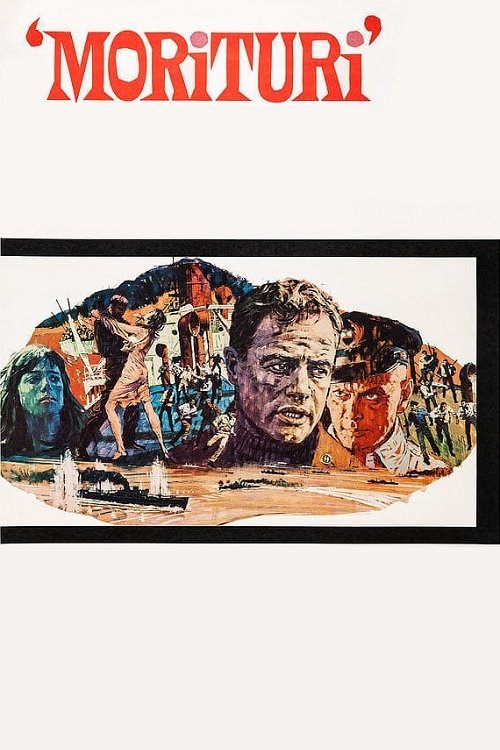
Morituri is a character-driven war drama that emphasizes psychological depth over demographic diversity. Its primary focus is on critiquing nationalism and state authority rather than showcasing diverse identities. The film's low scores in gender, race, and LGBTQ+ representation reflect its narrow focus on a specific historical military unit. However, it offers a progressive exploration of individual conscience against corrupt institutions. Ultimately, the work prioritizes a nuanced critique of totalitarianism and state-mandated duty over broad demographic representation.
Category Breakdown
The film does not include any LGBTQ+ narratives or characters with non-conforming gender identities.
The story mainly revolves around male characters involved in the military. Women play minor roles without much influence on the main plot.
The cast is mostly made up of white actors, focusing on the European military perspective. Despite being set in India, the narrative centers on white characters.
The film critiques Western institutional power by showing the state as a dehumanizing force. It challenges the 'heroic soldier' cliché by depicting soldiers as part of a bureaucratic machine.
Characters with disabilities are not central to the plot and do not have specific roles that drive the story.
Present on Screen
Limited or Absent
Official Synopsis
A German living in India during World War II is blackmailed by the English to impersonate an SS officer on board a cargo ship leaving Japan for Germany carrying a large supply of rubber for tyres. His mission is to disable the scuttling charges so the captain cannot sink the ship if they are stopped by English warships.
1962

1980
1969

1943

1944
1965
1951
1959
No reviews yet. Be the first to share your thoughts on this movie!
Use the rating form above to leave a star rating and optional review.