
The Road Home
1946
No user ratings available yet
Representation score: 3.0 out of 10
Representation Score
Limited
1944
NRDirector
Fred Zinnemann
Runtime
110 minutes
Average Rating
No ratings yetNew Showbiz Analysis
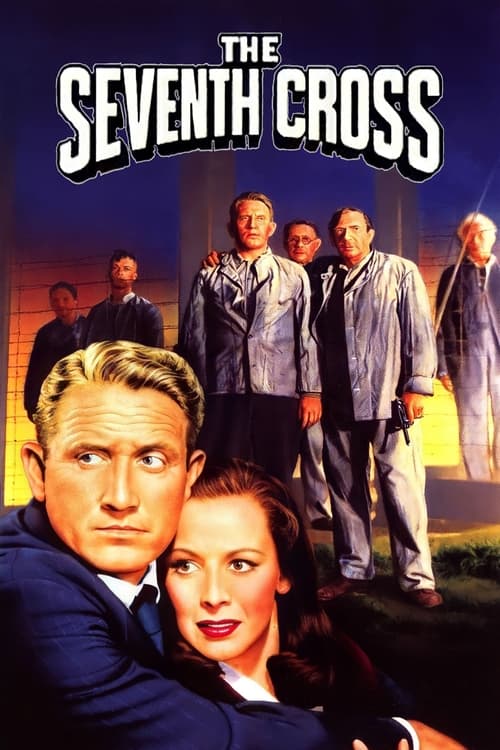
The Seventh Cross is a humanistic drama that emphasizes psychological depth and moral decision-making over demographic diversity. While limited by the historical context and casting norms of its time, it excels in its thematic critique of totalitarian authority. The narrative's strength lies in its intellectual approach to ethics, framing helping a fugitive as a moral imperative. This creates a tension between traditional social norms and a progressive critique of systemic oppression. Ultimately, the film studies conscience against state violence, even if it does not center the diverse identities of those being persecuted.
Category Breakdown
The film does not depict any non-binary or LGBTQ+ identities, sticking closely to the social norms of 1944.
Women play significant roles in the story, especially when deciding to help the protagonist. However, their roles are still mostly defined by domestic duties and support.
The cast mirrors the demographics of 1936 Germany, focusing on the persecution of underrepresented groups. The film highlights the moral responses of everyday citizens.
The story critiques state power by emphasizing individual conscience over nationalism. It portrays resistance to an unjust system as a necessary act of solidarity.
There are no prominent depictions of physical or neurodivergent disabilities used as central character drivers or plot devices.
Present on Screen
Limited or Absent
Official Synopsis
In Nazi Germany in 1936 seven men escape from a concentration camp. The camp commander puts up seven crosses and, as the Gestapo returns each escapee he is put to death on a cross. The seventh cross is still empty as George Heisler attempts an escape to freedom in Holland.
1946

1945

1992

1956

1945

1941

1987

1943
No reviews yet. Be the first to share your thoughts on this movie!
Use the rating form above to leave a star rating and optional review.