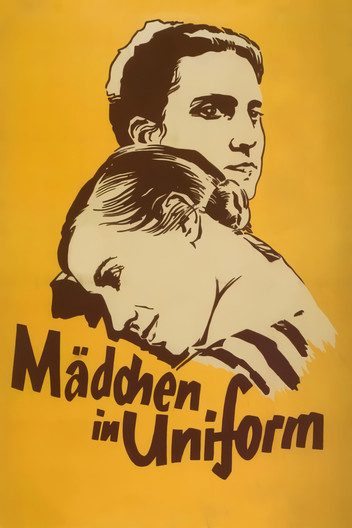
Mädchen in Uniform
1931
No user ratings available yet
Diversity score: 7.1 out of 10
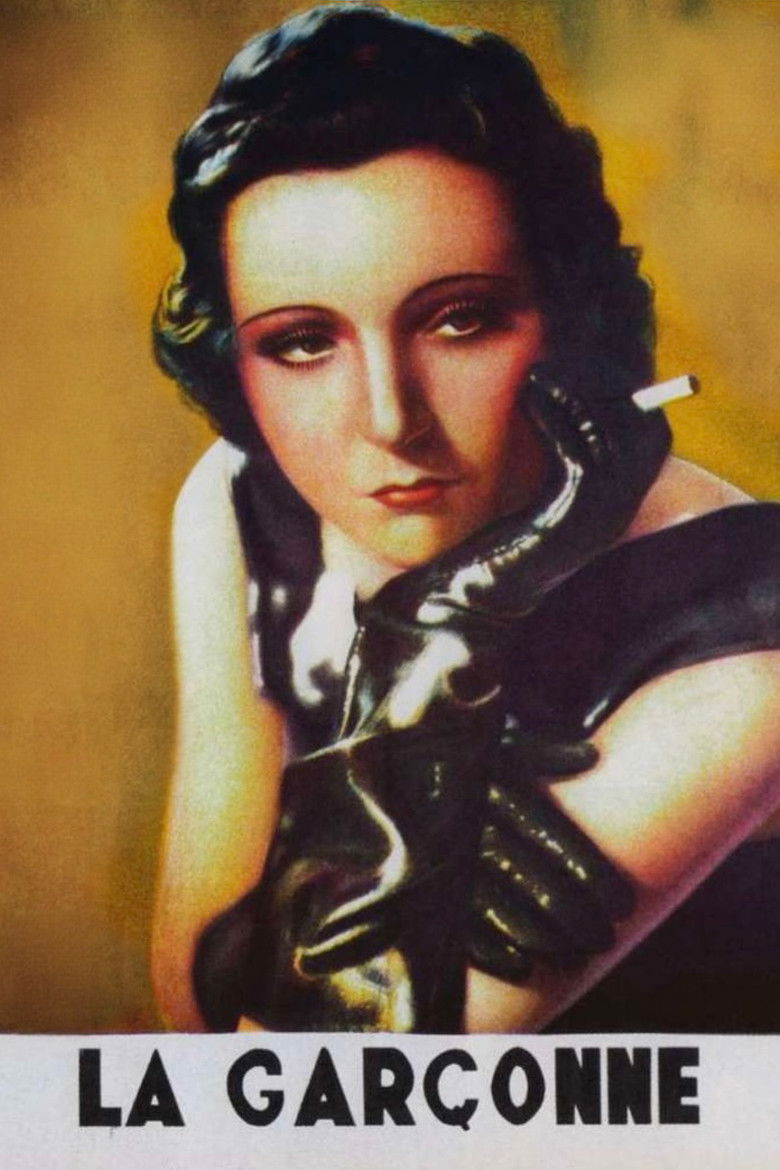
1936
Director
Jean de Limur
Runtime
95 minutes
Average Rating
No ratings yetSynopsis
The eponymous garçonne or flapper is Monique Lerbier, an emancipated French woman who leaves home to escape a marriage of convenience to a man she does not love which her parents have forced on her. She then falls into all sorts of carnal temptations and artificial pleasures previously unknown to her. These include her being seduced into a lesbian love affair by a chanteuse.
Overall Score
Good
Category Breakdown
LGBTQ+ Representation
The film centers a lesbian love affair as a core element of the protagonist's journey. A chanteuse serves as a catalyst for Monique's emotional and sexual awakening, providing rare agency for the era.
Gender Representation
Monique subverts traditional hierarchies by adopting a 'garçonne' persona and rejecting domestic expectations. Her refusal of a forced marriage acts as a direct critique of patriarchal stability and restrictive feminine roles.
Racial & Ethnic Diversity
The narrative focuses on a homogeneous European social strata. There is no evidence of non-white casting or diverse ethnic narratives within the primary character arcs.
Religious & Cultural Diversity
The story challenges Western institutions by framing the nuclear family and arranged marriage as oppressive. It prioritizes individual autonomy and personal pleasure over traditional social or religious propriety.
Disability Representation
There is no discernible focus on physical or neurodivergent characters within the narrative.
Strengths
Areas for Improvement
AI Analysis
La Garçonne stands as a provocative historical text that actively deconstructs the social mores of the 1930s. By centering a protagonist who rejects patriarchal marriage and explores non-traditional identities, the film moves beyond standard moral hierarchies of its time. The narrative's strength lies in its commitment to individual agency, particularly through its depiction of gender subversion and queer romance. These elements provide a level of complexity and liberation rarely seen in mid-1930s cinema. However, the film's impact is limited by its lack of racial and ethnic diversity. The focus remains strictly within a homogeneous European social context, missing opportunities for broader representation.
1931
1972
1964
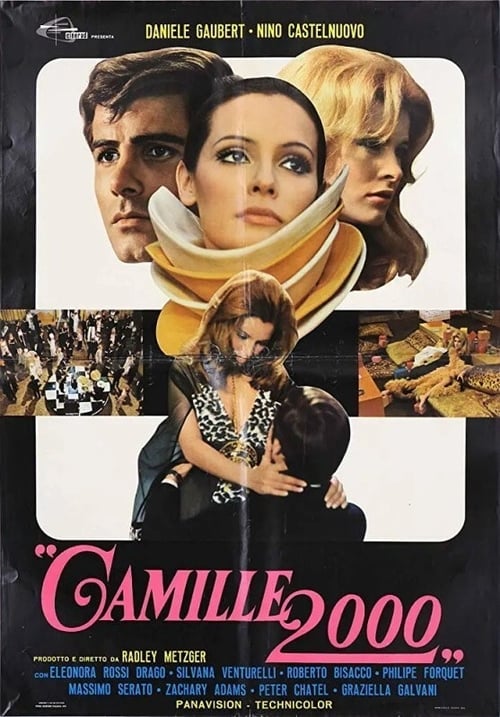
1969
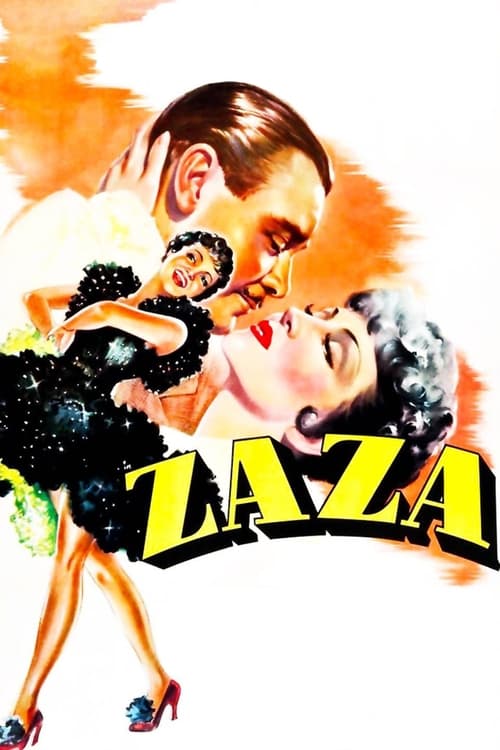
1939
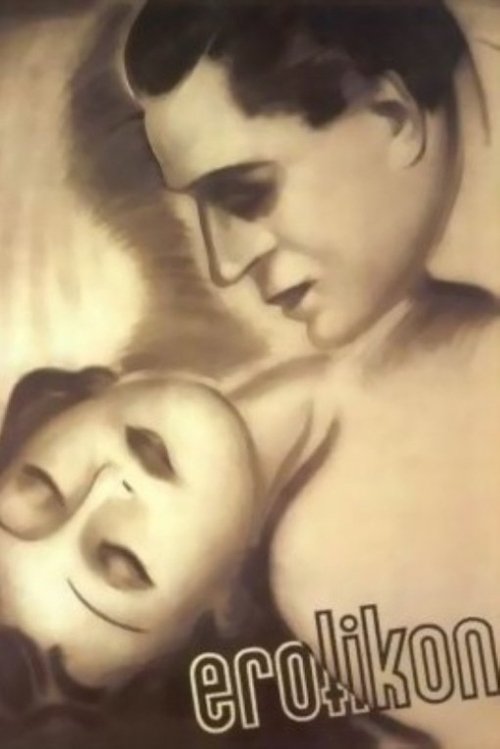
1930

1980
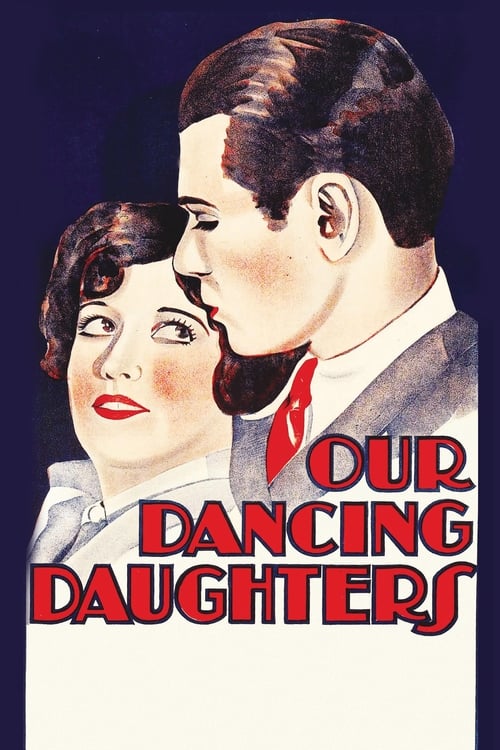
1928
1929

1947
1949
1933
No reviews yet. Be the first to share your thoughts on this movie!
Use the rating form above to leave a star rating and optional review.