
Chronicle of Poor Lovers
1954
No user ratings available yet
Diversity score: 5.9 out of 10
1972
Director
Pierre Drouot, Paul Collet
Runtime
109 minutes
Average Rating
No ratings yetSynopsis
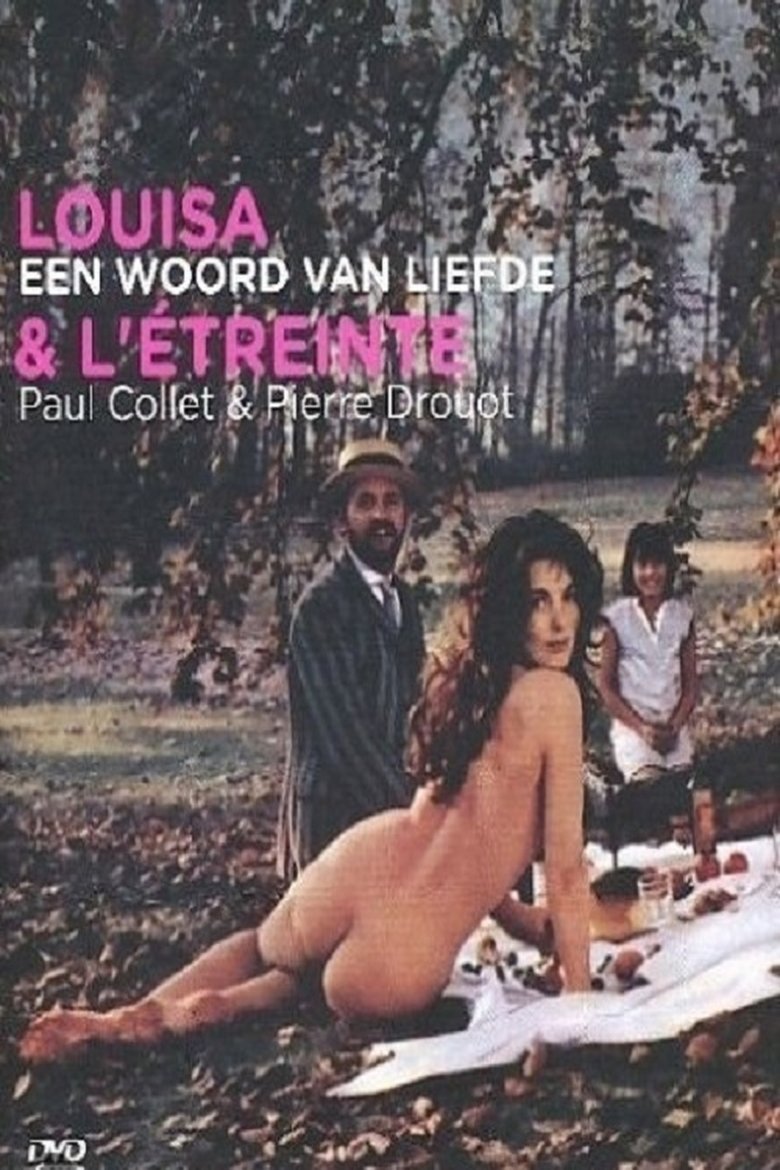
The young Isabelle escapes from the orphanage and she adopted by two chaps on a caravan. They then meet by chance the posh family of Louise- who runs away with the three adventurers when confronted with the reality of having to marry a Belgian with a large moustache and a bald head. They find a dog. Later Louisa degenerates into a minor moment of sexual hedonism and multiplexing with the two chaps before they are all overwhelmed by the Armageddon that was WWI.
Overall Score
Fair
Category Breakdown
LGBTQ+ Representation
The film explores sexual hedonism and unconventional interpersonal connections. While specific queer identities are not explicitly defined, the narrative moves away from rigid heteronormative courtship rituals.
Gender Representation
Louise demonstrates significant agency by rejecting an arranged marriage to secure her own autonomy. This subversion of traditional patriarchal expectations centers female choice over social obligation.
Racial & Ethnic Diversity
The story focuses on a homogeneous European social landscape. There is no evidence of diverse ethnic perspectives or non-white casting within the narrative.
Religious & Cultural Diversity
The film critiques restrictive Western institutions by prioritizing individual liberation over social stability. It frames the flight from class norms and orphanages as a pursuit of freedom.
Disability Representation
There is no information available regarding the portrayal of physical or neurodivergent disabilities in this film.
Strengths
Areas for Improvement
AI Analysis
Louise, One Word of Love is a character-driven drama that finds its strength in subverting social hierarchies. By focusing on Louise's rejection of class-based marriage expectations, the film provides a meaningful look at female agency and personal autonomy. However, the film's scope is limited by its narrow demographic focus. The narrative remains centered on a homogeneous European setting, lacking racial or ethnic diversity. This creates a social landscape that feels culturally singular. Ultimately, the film succeeds as a critique of traditional institutions and social constraints. It trades institutional stability for themes of sexual liberation and individual freedom, even as it faces the historical upheaval of WWI.
1954
2001
1999
1968

1970
1962
1936
1946

1973
1995

2000

1971
No reviews yet. Be the first to share your thoughts on this movie!
Use the rating form above to leave a star rating and optional review.