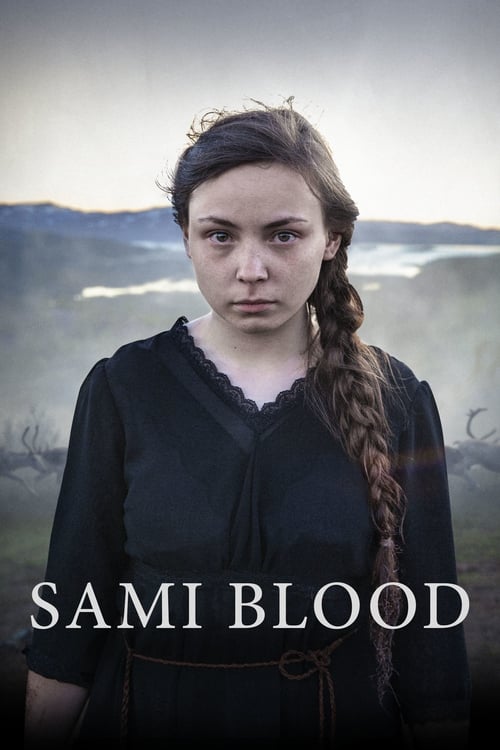
Sami Blood
2017
No user ratings available yet
Representation score: 9.3 out of 10

Representation Score
Good
2023
Director
Ole Giæver
Runtime
118 minutes
Average Rating
No ratings yetNew Showbiz Analysis
Let the River Flow is a powerful historical drama centered on the Sámi people's struggle for recognition and rights. It successfully deconstructs the erasure of indigenous identity by focusing on the Alta River protests and the fight against forced assimilation. The film's strength lies in its deep exploration of ethnic ability to act and the intersection of environmentalism with indigenous sovereignty. It moves the narrative away from nationalistic clichés to highlight the trauma of systemic racism. While the film excels in racial and cultural representation, it offers less visibility regarding LGBTQ+ themes or disability representation. The focus remains firmly on the political and social awakening of its female protagonist.
Category Breakdown
The film mainly focuses on ethnic identity and political resistance. It explores personal intimacy and social belonging but does not have a specific focus on LGBTQ+ themes or non-assuming gender matches what was assigned at birth identities.
Ester plays a central role in the political awakening and social defiance of the community. Her journey from internalized shame to active resistance provides a nuanced portrayal of women's empowerment against systemic racism.
The narrative excels by centering the Sámi people and their struggle against state power. It moves beyond mere presence to address the systemic nuances of assimilation and cultural erasure.
The film critiques the Norwegian state's industrial ambitions as oppressive forces against indigenous sovereignty. It highlights the trauma caused by historical assimilation policies and the fight for cultural heritage.
There are no prominent depictions of physical or neurodivergent disabilities that serve as central narrative drivers in this story.
Present on Screen
Limited or Absent
Official Synopsis
During summer 1979, Ester moves to Alta in Northern Norway to begin teaching at an elementary school. Like many Sámi at the time, she is ashamed of her heritage and conceals her ethnicity. Ester goes to great lengths to fit in, even joining in with the derogatory jokes. When her cousin Mikkhal takes her to a camp by the Alta River, where people are demonstrating against the building of a dam, Ester learns how the fight for the river is also a revolt against the years of brutal racism and discrimination against her people. After a major confrontation with the police, Mikkhal and some other Sámi decide to go to Oslo to hunger strike in front of the Parliament. Knowing what is at stake, Ester realises it is time to make a stand…
2017
2019
2016
2015

2021

2010
2021

2023
No reviews yet. Be the first to share your thoughts on this movie!
Use the rating form above to leave a star rating and optional review.