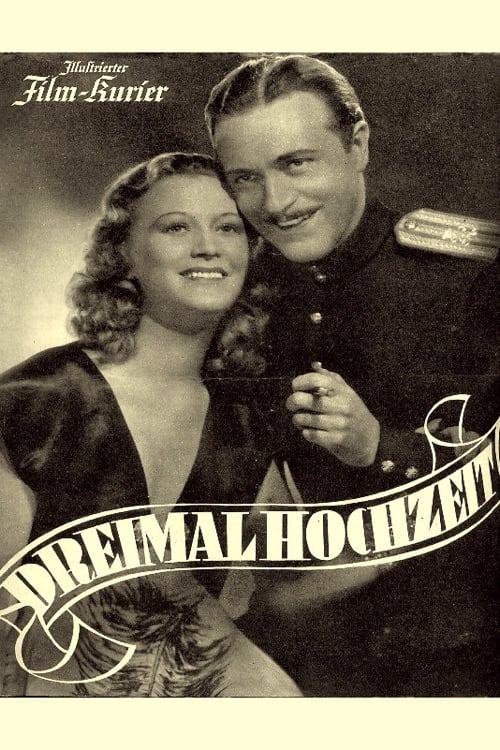
Dreimal Hochzeit
1941
No user ratings available yet
Representation score: 1.0 out of 10
Representation Score
Limited
1941
Director
E.W. Emo
Average Rating
No ratings yetNew Showbiz Analysis
Produced by Wien-Film after the 1938 Anschluss, this comedy is a product of a tightly controlled cinematic era. Its main goal is to satirically dismantle democratic institutions, reinforcing the authority of the existing political regime. The film operates within a narrow socio-political framework, emphasizing cultural homogeneity and traditional social structures. It lacks progressive representation across almost all categories, reflecting the ideological mandates of Greater Germany. Ultimately, the work functions more as a political tool than a piece of diverse entertainment, reinforcing the status quo rather than challenging systemic power dynamics.
Category Breakdown
The film doesn't include any characters with non-binary genders or narratives that question the assumption that everyone is straight. It upholds the traditional social hierarchy of the time.
The comedy depends on traditional gender roles common in its era. It doesn't challenge gender hierarchies or show masculinity in a way that questions social norms.
Produced in a very homogeneous environment, the film reflects the limited demographics of the time. It doesn't show any non-European identities or cast actors from diverse backgrounds in roles traditionally expected to be white.
The story ridicules the First Austrian Republic to attack democratic institutions. It serves as a tool to criticize institutions aligned with the political order of the time.
There are no characters with disabilities in the film. If such characters existed, they would probably serve as mere plot devices rather than having their own choices.
Present on Screen
Limited or Absent
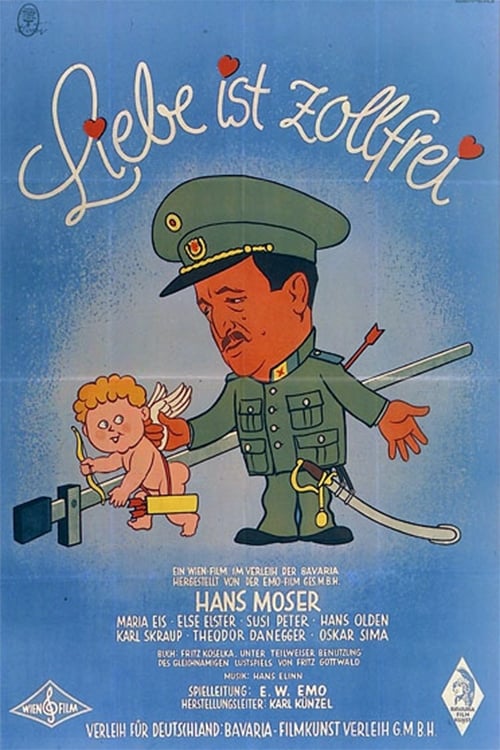
1941
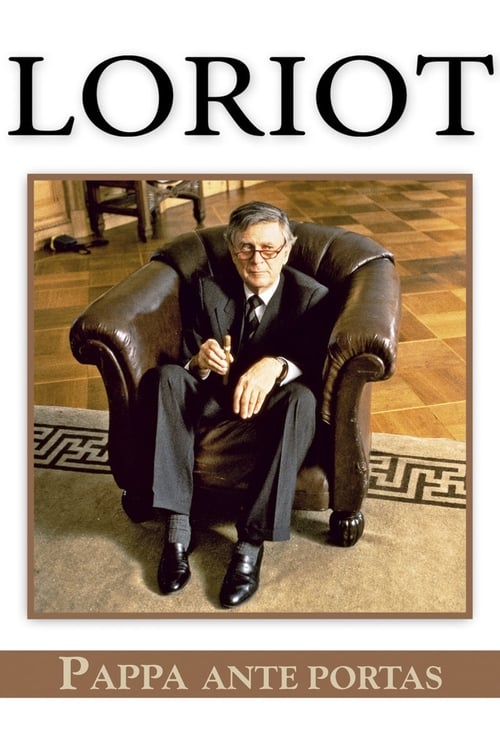
1991
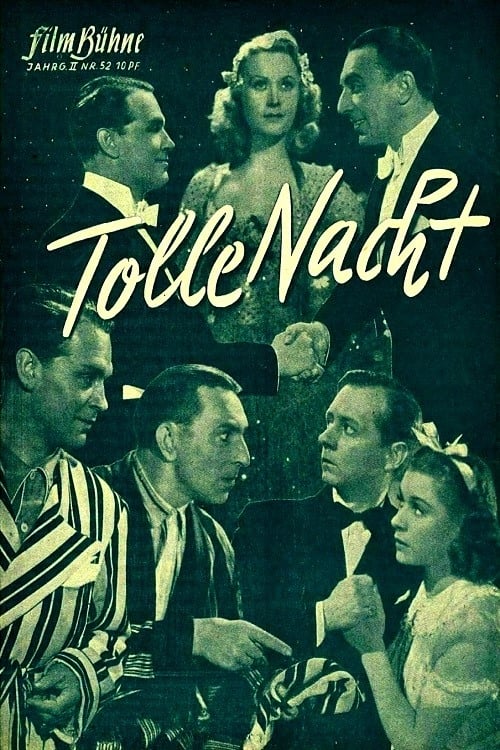
1943
1943
1942
1941

1941
1941
No reviews yet. Be the first to share your thoughts on this movie!
Use the rating form above to leave a star rating and optional review.