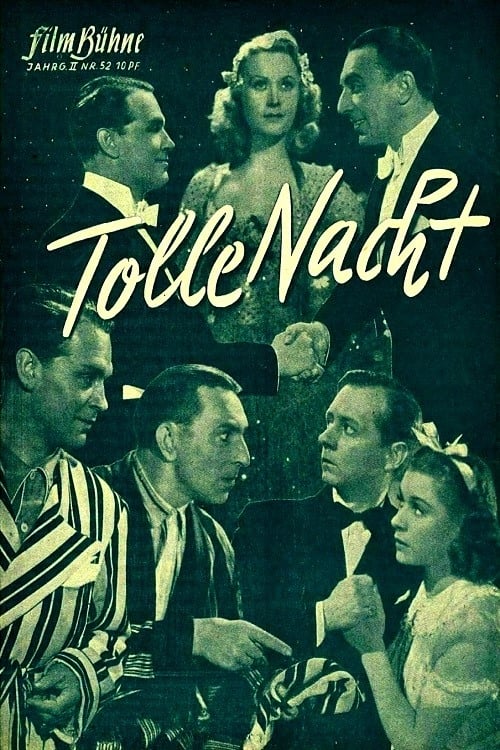
Tolle Nacht
1943
No user ratings available yet
Representation score: 2.1 out of 10
Representation Score
Minimal
1943
Director
Karl Leiter
Average Rating
No ratings yetNew Showbiz Analysis
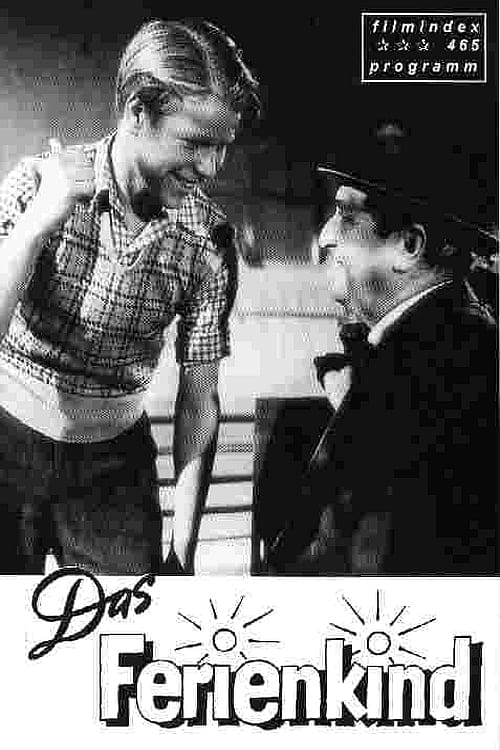
Das Ferienkind is shaped by the highly controlled and restrictive cinematic environment of 1943 Germany. Its purpose is to uphold existing social hierarchies and traditionalist values rather than challenge them. The film's narrative is built around uniformity, focusing on a narrow definition of race and gender roles. It lacks any representation that reflects multiple aspects of identity, sticking closely to the social norms of its time. Overall, the film does not question dominant power structures but instead supports established cultural and nationalist ideals.
Category Breakdown
The film does not depict any non-straight relationships or LGBTQ+ characters. The strict censorship of the time prevented any visibility for LGBTQ+ individuals.
Women in the film likely play traditional domestic or romanticized roles. The story structure emphasizes conventional gender roles without giving women much independence.
The cast is predominantly white and European. The narrative focuses on Eurocentric ideals, excluding diverse racial and ethnic backgrounds.
The film emphasizes nationalism and traditional European values. It upholds conventional cultural and religious norms without exploring diverse cultural perspectives.
Disability is not shown with depth or nuance. Any depiction of disability serves as a plot device or a source of humor rather than a serious exploration.
Limited or Absent
1943
1991
1942
1943
1943
1943
1947
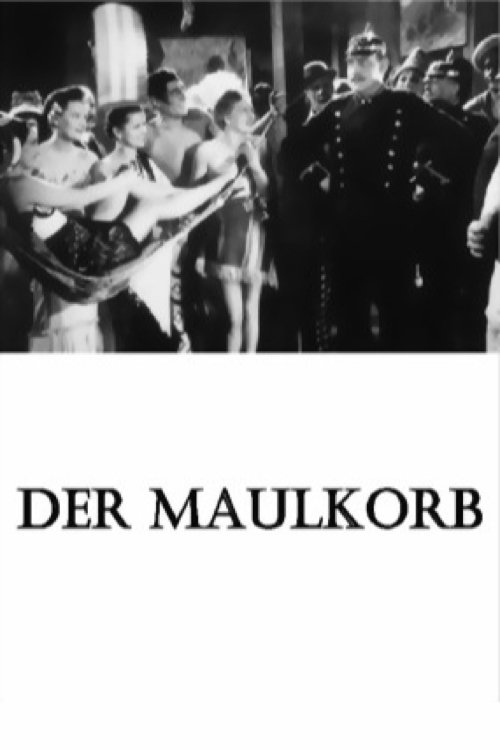
1938
No reviews yet. Be the first to share your thoughts on this movie!
Use the rating form above to leave a star rating and optional review.