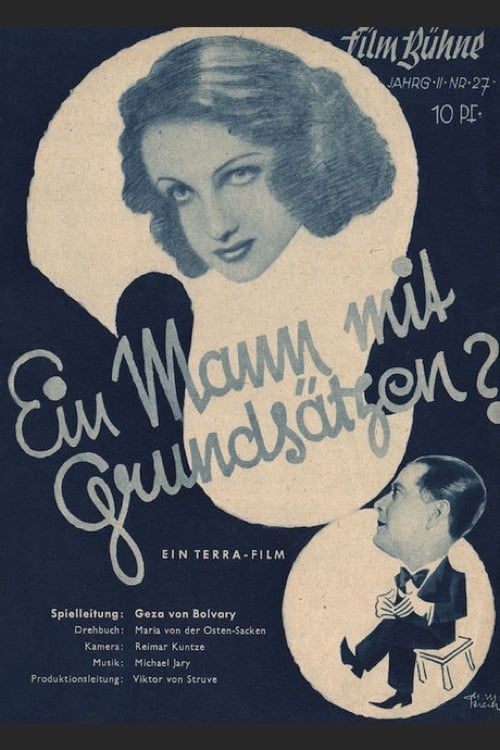
A Man with Principles?
1943
No user ratings available yet
Diversity score: 1.8 out of 10
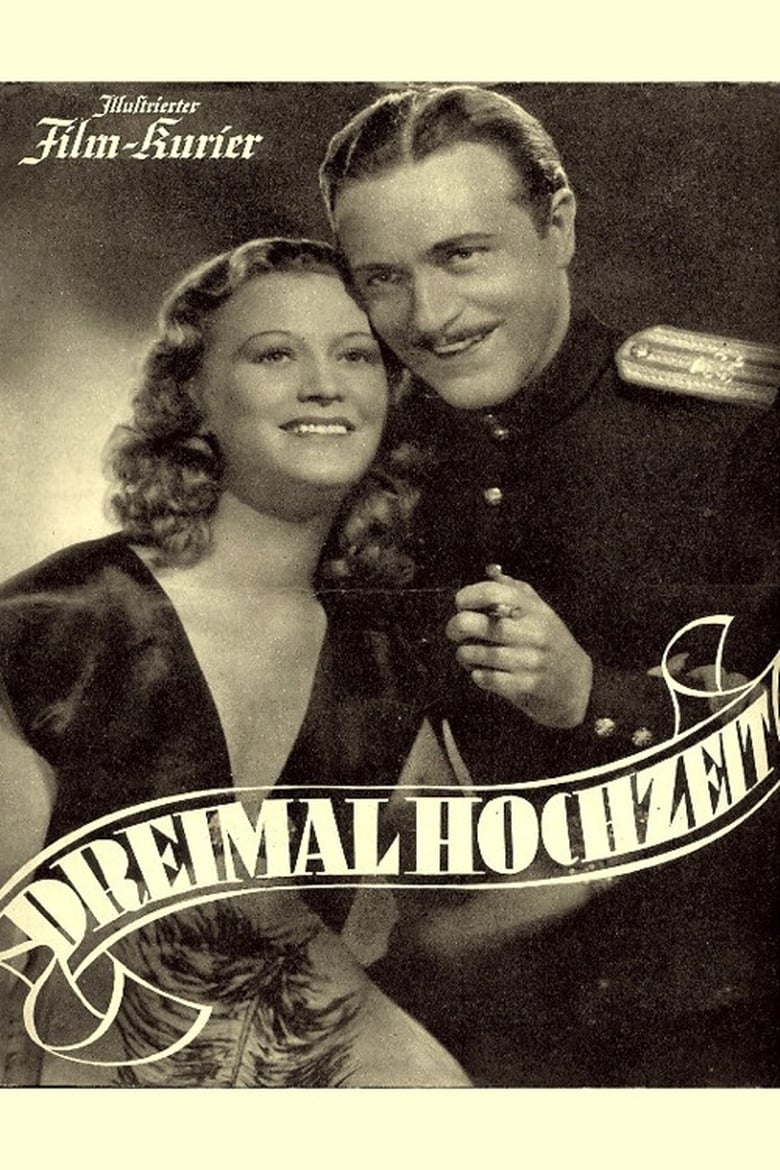
1941
Director
Géza von Bolváry
Runtime
95 minutes
Average Rating
No ratings yetSynopsis
Prince Alexander loves the commoner Vera and defies his uncle the Tzar as well as his peers by arranging his wedding. But Vera leaves him because she does not want to be the cause of him spending the rest of his life as a social outcast.
Overall Score
Minimal
Category Breakdown
LGBTQ+ Representation
The film follows standard heteronormative romantic trajectories typical of the 1940s. There is no evidence of non-cisnormative gender identities or same-sex intimacy.
Gender Representation
The plot relies on the 'battle of the sexes' trope to drive comedic friction. These dynamics largely reinforce established gender hierarchies and traditional feminine roles.
Racial & Ethnic Diversity
Set in a high-society European context, the cast is highly homogeneous. The narrative lacks racial or ethnic plurality, reflecting the era's social constraints.
Religious & Cultural Diversity
The story celebrates Western social values, emphasizing aristocracy and the sanctity of marriage. It functions as a reinforcement of the existing social status quo.
Disability Representation
There is no discernible presence of characters with visible or invisible disabilities. The cast consists entirely of able-bodied performers.
Strengths
Areas for Improvement
AI Analysis
Dreimal Hochzeit serves as a quintessential example of mid-century escapist cinema. It prioritizes high-production musical comedy tropes over any meaningful exploration of diverse identities. The film's structure is designed to uphold, rather than challenge, the social and cultural hierarchies of its era. By centering on aristocratic courtship and traditional romantic resolutions, the work reinforces conventional Western social structures. It avoids the complexities of intersectional identity in favor of a localized, culturally uniform aesthetic. Ultimately, the film functions as a period-specific artifact. It maintains the established social hierarchies and genre conventions of the 1940s without disruption.
1943
1940
1961
1943
1938

1934

1957

1971
1939
1945
1937
1967
No reviews yet. Be the first to share your thoughts on this movie!
Use the rating form above to leave a star rating and optional review.