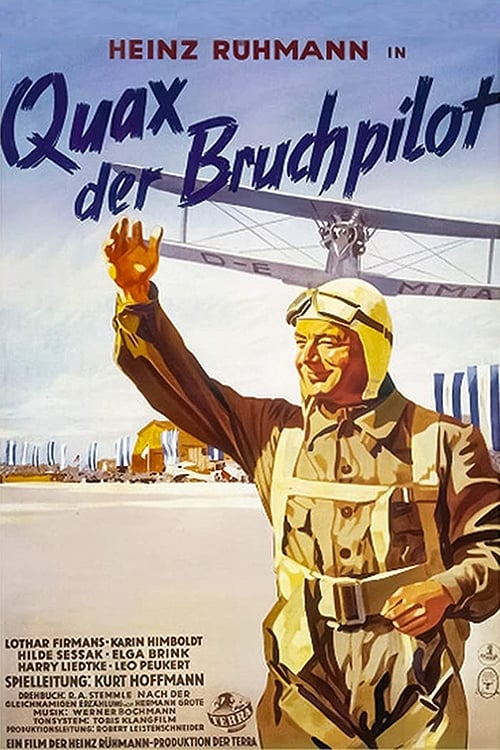
Quax, der Bruchpilot
1941
No user ratings available yet
Representation score: 0.1 out of 10

Representation Score
Minimal
1941
Director
Veit Harlan
Runtime
90 minutes
Average Rating
No ratings yetNew Showbiz Analysis
Veit Harlan's film aims to reinforce existing authority and traditional values. Its structure is designed to uphold a uniform social and moral identity, avoiding any expansion of the viewer's understanding through diverse representation. By emphasizing communal judgment and inevitable retribution, the film upholds a rigid worldview aligned with the era's ideology.
Category Breakdown
The film adheres to strict assumptions about straight relationships and traditional gender roles. It does not include any characters with diverse sexual orientations or gender identities.
Women are portrayed as moral symbols or temptresses. The film does not show women as intellectual or independent figures, focusing instead on their roles within the home or as moral guides.
The cast is entirely white, reflecting the homogeneity of 1941 German cinema. There are no characters from diverse racial or ethnic backgrounds.
The story promotes a single moral code tied to traditional European institutions. It emphasizes the importance of social order and state-sanctioned punishment for maintaining the community.
There are no characters with visible or invisible disabilities. The film focuses solely on the moral and social status of the main peasant characters.
Limited or Absent
Official Synopsis
An adventurous peasant is supposed to be hanged, but gets told about life after death, how beautiful it is, and wants to get into heaven anyway even if he should be pardoned. A woman complicates the matter.
1941
1991
1940
1941
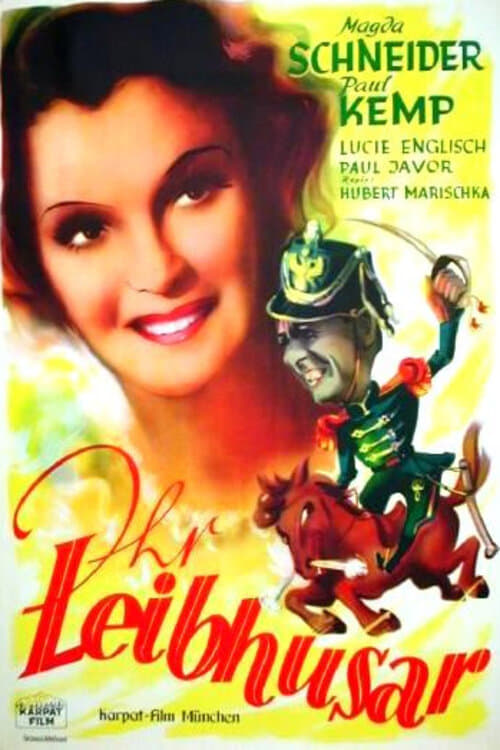
1938
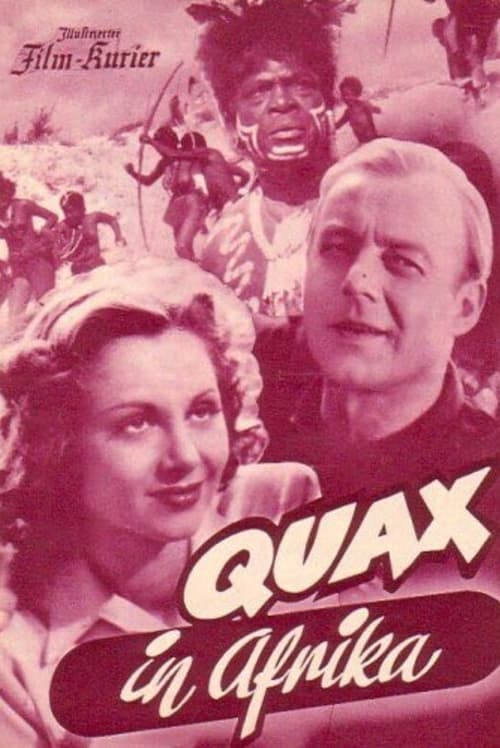
1947
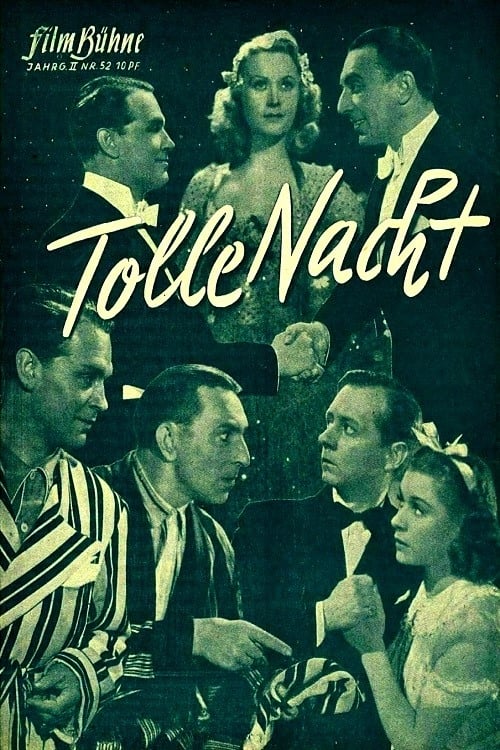
1943
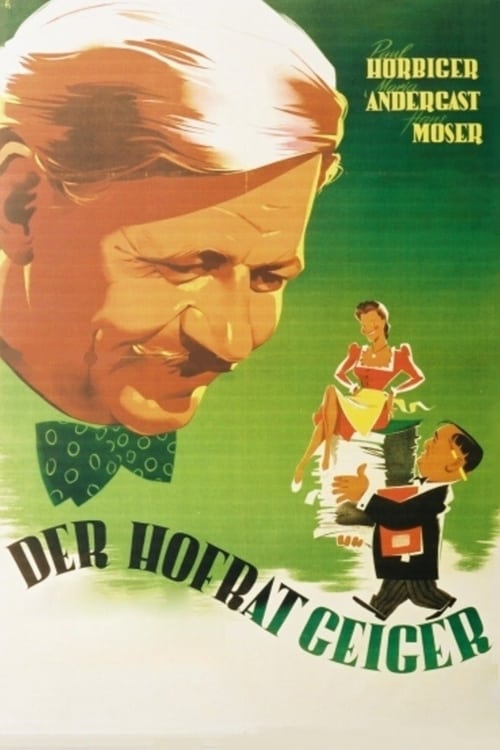
1947
No reviews yet. Be the first to share your thoughts on this movie!
Use the rating form above to leave a star rating and optional review.