The Water Was So Clear
1973
No user ratings available yet
Representation score: 5.7 out of 10
Representation Score
Minimal
1983
Director
Shunya Ito
Runtime
118 minutes
Average Rating
No ratings yetNew Showbiz Analysis
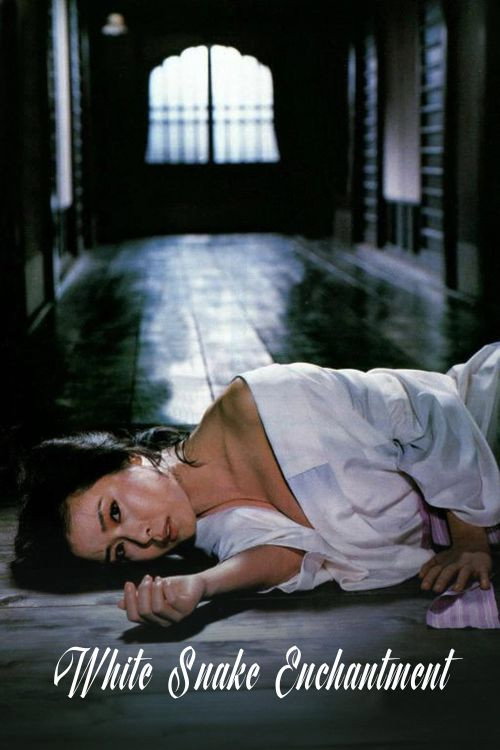
White Snake Enchantment centers on a taboo love triangle involving a priest, his wife, and his son. The story uses this setup to critique religious hypocrisy and challenge conventional morality. However, the film is male-centric. Women are positioned as objects of desire rather than active participants, and the cast is ethnically homogeneous. No LGBTQ+ or disabled characters appear. The evidence derives mainly from synopsis-level details, which limits the depth of representation analysis. The cultural critique is clear, but broader diversity remains absent.
Category Breakdown
The narrative revolves around a heterosexual love triangle among a priest, his wife, and his son. No LGBTQ+ characters or same-sex relationships appear in the film.
Women are framed as objects of male lust rather than agents of their own stories. The wife reacts to the men’s desires instead of driving the plot.
As a Japanese production with an all-Japanese cast, the film presents no racial or ethnic diversity in its characters or setting.
The film critiques religious authority through a lustful priest and explores taboo family dynamics. It questions traditional moral structures instead of reinforcing them.
No characters with physical or mental disabilities appear in the plot. Disability is neither represented nor thematically explored.
Present on Screen
Limited or Absent
Official Synopsis
Uta married a priest who saved her when she tried to commit suicide at a waterfall. The love triangle between a lustful priest, his second wife and his son Masao.
1973
1978

1962
1957
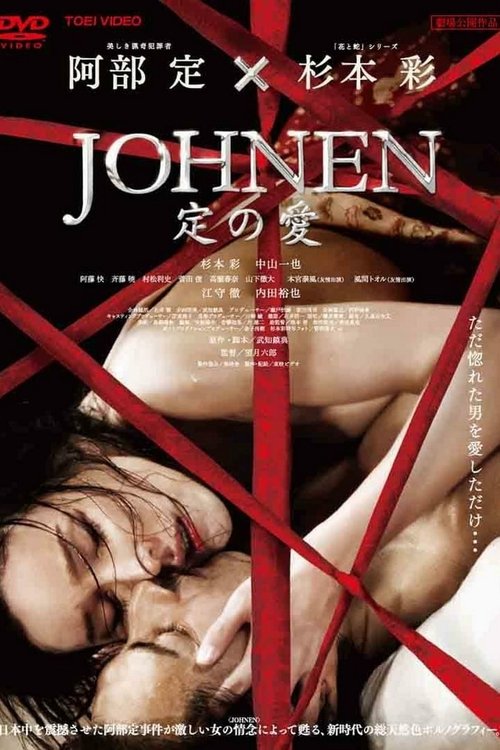
2008
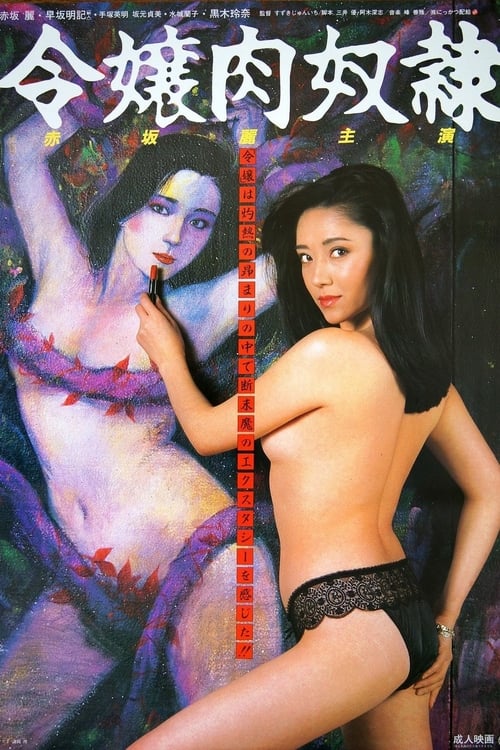
1985
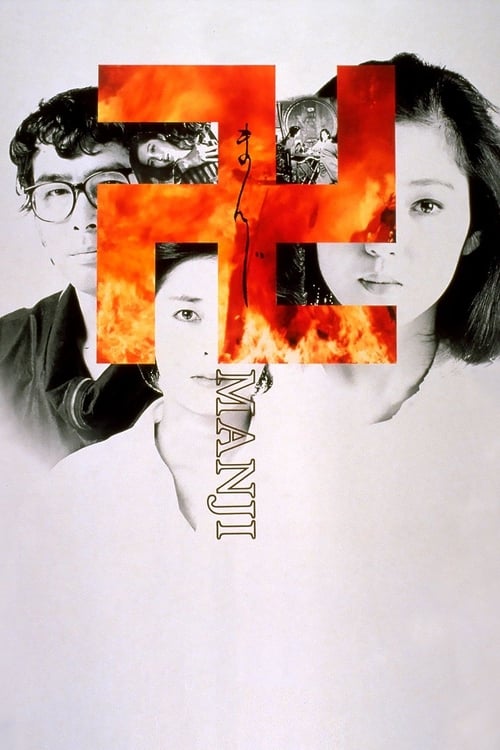
1983
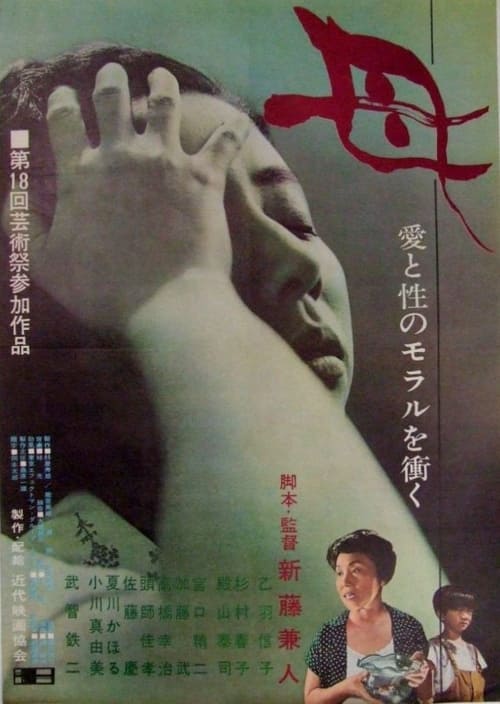
1963
No reviews yet. Be the first to share your thoughts on this movie!
Use the rating form above to leave a star rating and optional review.