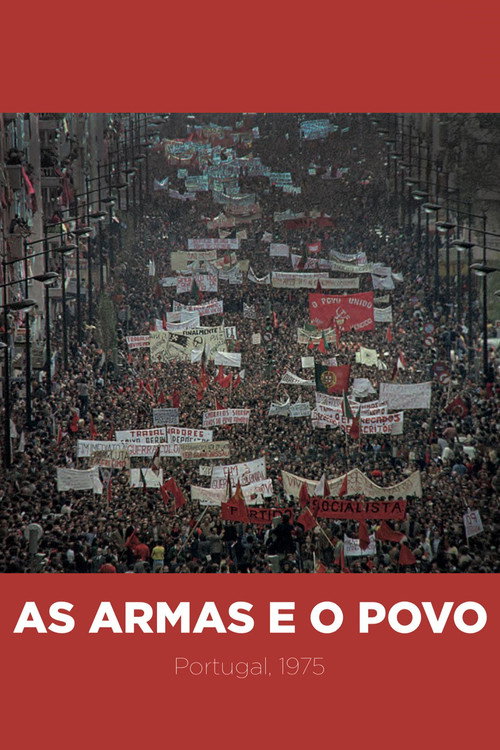
The Guns and the People
1977
No user ratings available yet
Representation score: 8.2 out of 10
Representation Score
Fair
1981
Director
Rui Simões
Runtime
135 minutes
Average Rating
No ratings yetNew Showbiz Analysis
Rui Simões' documentary captures a pivotal moment in Portuguese history, transitioning from a military coup to a socialist revolution. The film's strength lies in its focus on systemic political changes and the collective's role rather than just elite leaders. However, the work lacks explicit representation of specific identity-based groups. The focus on state-level struggles and domestic political transitions means that LGBTQ+ and racial diversity are not central themes, reflecting the historical context of the early 1980s. Ultimately, the film is a study of power and social change. While it succeeds in deconstructing old-world hierarchies, it offers little insight into individual identity politics or disability representation.
Category Breakdown
The documentary focuses on political changes during the Carnation Revolution and does not include explicit queer narratives or non-cisgender identities.
By focusing on common people rather than military elites, the film may include female voices. However, it is unclear if women are shown having significant roles in the story.
The film primarily documents the transition to democracy in Portugal and likely reflects the homogeneous population of the time.
The documentary excels by critiquing authoritarian structures and exploring the collective's role in the socialist revolution. It examines the tension between radical socialist ideals and formal democratic norms.
There is no evidence of the portrayal of physical or neurodivergent identities in this historical account.
Present on Screen
Limited or Absent
Official Synopsis
Using film and television footage taken during the revolutionary movement of April 25, 1974 in Portugal, and mixing it with music and live interviews with common people, the director conveys a vivid account of the period in which a military coup evolved to a socialist revolution, then was tempered into a formal European style democracy.
1977
2017
1977
2013

1977
2015
2012
1928
No reviews yet. Be the first to share your thoughts on this movie!
Use the rating form above to leave a star rating and optional review.