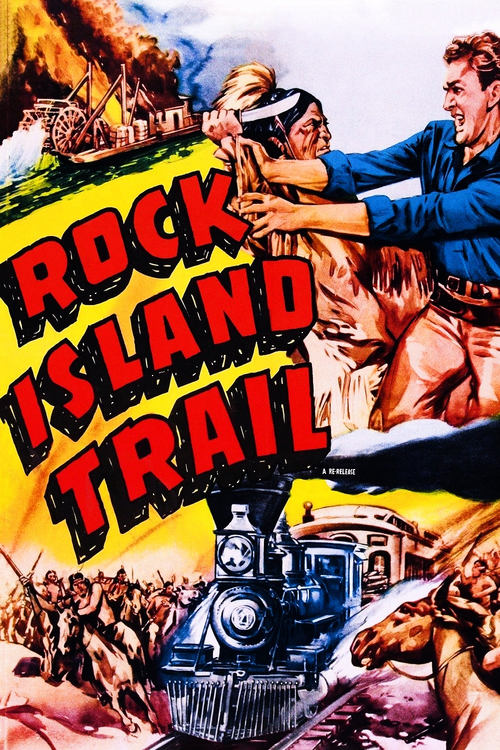
Rock Island Trail
1950
No user ratings available yet
Representation score: 0.5 out of 10
Representation Score
Minimal
1952
NRDirector
Byron Haskin
Runtime
89 minutes
Average Rating
No ratings yetNew Showbiz Analysis
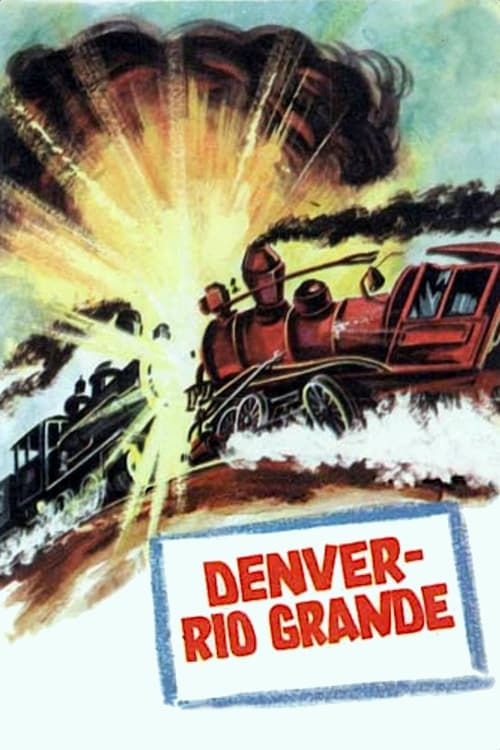
Denver and Rio Grande is a classic 1952 Western that adheres strictly to the social hierarchies of its time. The narrative centers on the physical conflict of railroad construction, driven by a homogeneous group of male protagonists. The film reinforces mid-century norms by emphasizing masculine brotherhood and traditional gender roles. It lacks intentional representation of diverse identities, functioning as a standard genre piece reflective of the early 1950s cultural landscape.
Category Breakdown
The film does not depict any queer identities or provide non-straight-centered subtext. Character relationships focus on traditional masculine bonds and heterosexual romance.
Narrative ability to act is concentrated almost exclusively among male characters. Female characters act reactively to the actions of the male characters.
Casting is predominantly white, reflecting a white-centric view of frontier expansion. There are no characters of color with significant roles.
The story highlights the tension between lawlessness and civilization through the railroad. It relies on established moral archetypes without systemic critique.
No visible or invisible disabilities are portrayed within the central character arcs. The film does not address physical or neurodivergent impairments.
Present on Screen
Limited or Absent
Official Synopsis
Jim Vesser and his team of railroading men try to build a rail line through a mountain pass, while a group of less scrupulous construction workers sabotages the entire operation in the hopes that they can get their tracks laid first and get the money from the railroad.
1950
1963
1940
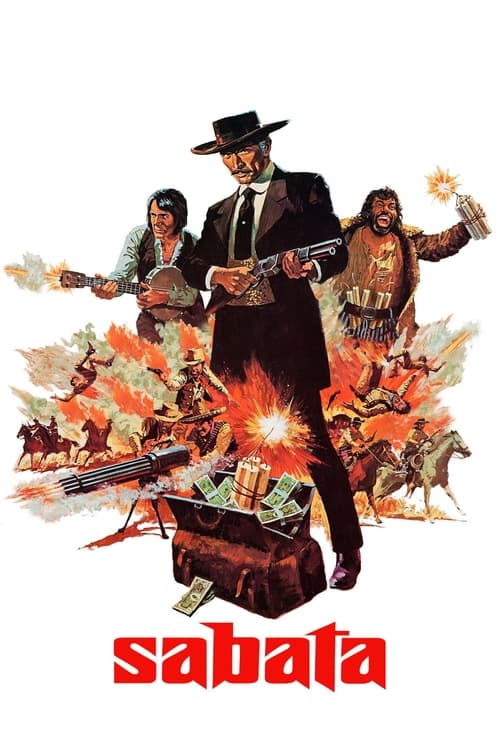
1969
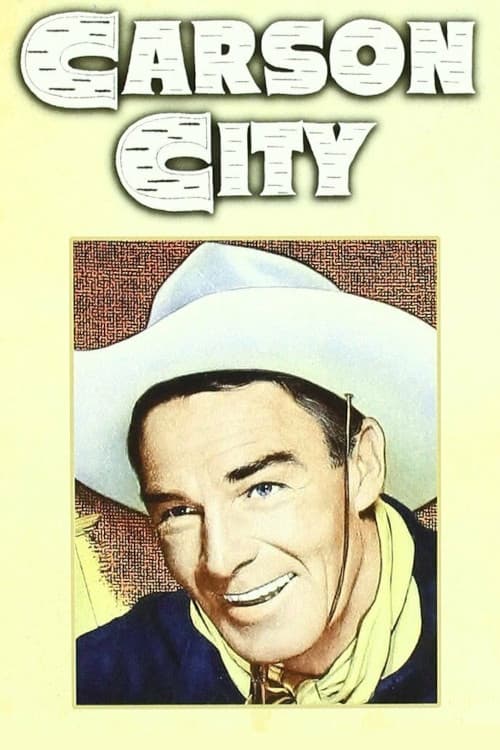
1952
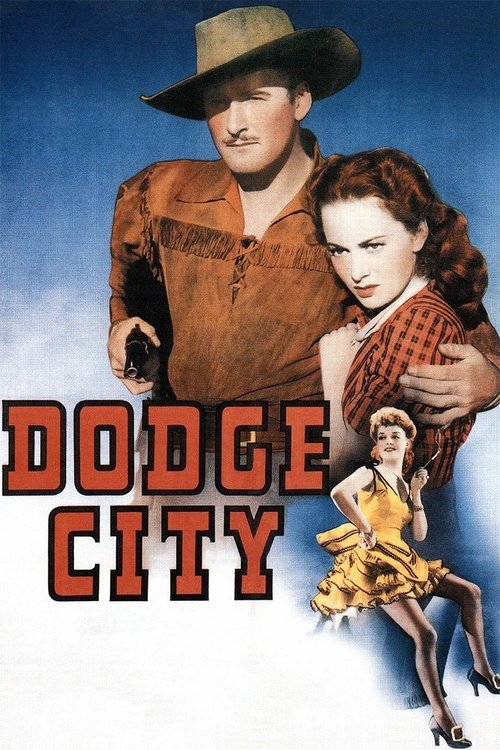
1939

1940
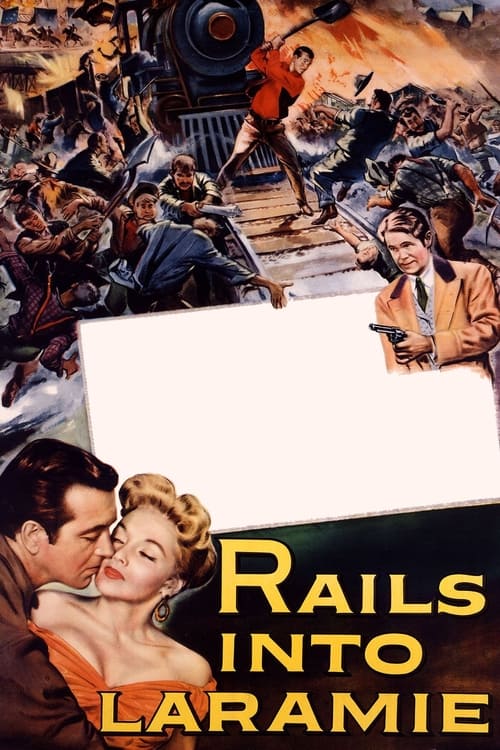
1954
No reviews yet. Be the first to share your thoughts on this movie!
Use the rating form above to leave a star rating and optional review.