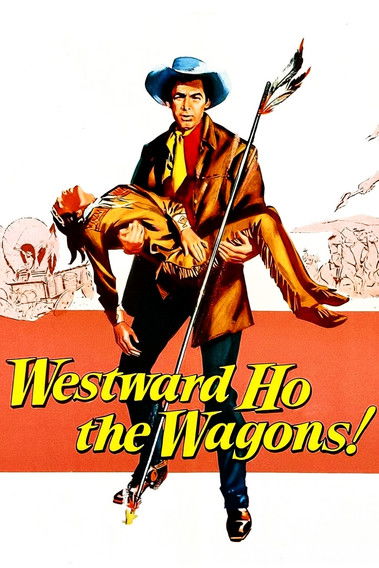
Westward Ho, The Wagons!
1956
No user ratings available yet
Diversity score: 1.4 out of 10

1960
NRDirector
William Beaudine
Runtime
92 minutes
Average Rating
No ratings yetSynopsis
The John Wesley Powell expedition of 1869 explores the dangerous Colorado River, withstands internal dissension, and finally discovers the Grand Canyon.
Overall Score
Minimal
Category Breakdown
LGBTQ+ Representation
The film contains no visible LGBTQ+ characters or narratives. It adheres strictly to the conventional heteronormative standards of its era without any subversion of these norms.
Gender Representation
The story is almost exclusively male-driven, focusing on soldierly camaraderie and conflict. Women are largely absent from the primary arc, reinforcing traditional gendered divisions of labor and space.
Racial & Ethnic Diversity
Casting reflects a homogeneous white ensemble typical of the period. The central mission group lacks characters from diverse ethnic backgrounds, presenting a monolithic view of the military population.
Religious & Cultural Diversity
The narrative operates within a framework of traditional patriotism and institutional loyalty. It emphasizes the necessity of the mission and the value of collective duty to the state.
Disability Representation
There are no notable portrayals of physical or neurodivergent disabilities. Characters are defined solely by their military status and capacity for physical endurance.
Strengths
Areas for Improvement
AI Analysis
Ten Who Dared functions as a traditionalist narrative that reinforces established social hierarchies. It prioritizes institutional stability and patriotic duty over the exploration of diverse identities or the deconstruction of systemic power dynamics. The film relies heavily on masculine archetypes and a homogeneous ensemble. By focusing on a streamlined portrayal of wartime duty, it avoids any intentionality required to disrupt mid-century tropes or provide intersectional depth.
1956
1961

1966
1952
1950
1956

1974
1939

1966
1923
1978
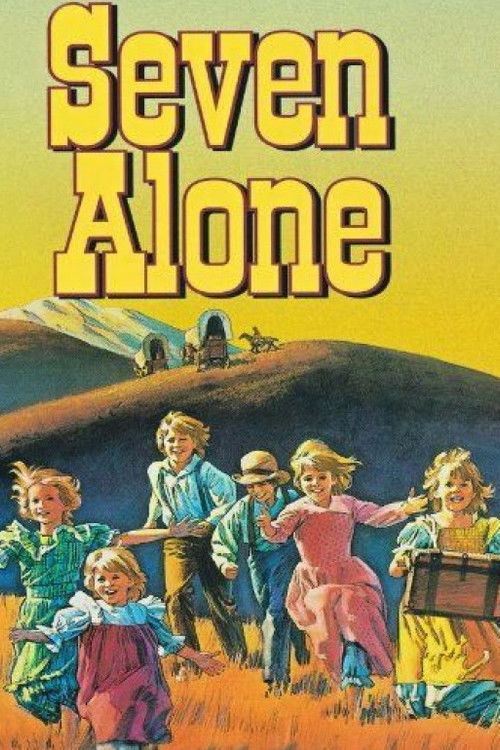
1974
No reviews yet. Be the first to share your thoughts on this movie!
Use the rating form above to leave a star rating and optional review.