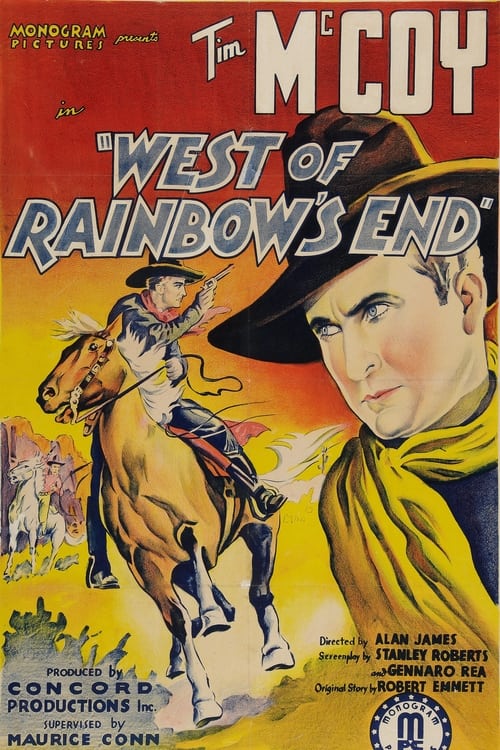
West of Rainbow's End
1938
No user ratings available yet
Representation score: 1.3 out of 10

Representation Score
Minimal
1957
ApprovedDirector
Joseph Kane
Runtime
67 minutes
Average Rating
No ratings yetNew Showbiz Analysis
Last Stagecoach West is a quintessential mid-century Western that adheres strictly to the social hierarchies of 1950s American cinema. The plot focuses on the transition from stagecoach travel to the railroad era, prioritizing themes of frontier justice and individualist struggle. The film functions as a traditionalist genre piece that offers no disruption of conventional demographic norms. It reinforces established social structures through a narrative of progress and institutional authority. Ultimately, the work serves as a historical baseline for storytelling that prioritizes conventional archetypes and maintains the status quo of its time.
Category Breakdown
The film does not include any identifiable LGBTQ+ characters or non-cisgender identities. The social landscape is portrayed through a strictly traditional lens, without any exploration of queer identities.
Male characters like McCord and Cameron dominate the narrative, while female characters are relegated to secondary, supportive roles within domestic or passive spheres.
The narrative centers on a predominantly white cast typical of the era's Western genre. It provides little ability to act to characters of color, focusing instead on an Anglo-Saxon perspective.
The story emphasizes traditional Western values, law, and industrial progress. It reinforces the legitimacy of institutional authority and frontier justice rather than critiquing traditional institutions.
There is no visible or invisible disability representation. Characters are defined by the physical capabilities required for the Western genre, with no exploration of impairment or neurodivergence.
Present on Screen
Limited or Absent
Official Synopsis
The coming of the railroad to Cedar City spells the end of the stagecoach as the government gives the mail contract to the fastest means of delivery. McCord loses the stagecoach line gambling with the new buyer, but has enough hidden money to buy a ranch and some cattle. To make more money, he starts a gang to rob the railroad, express offices and steal cattle. But the railroads send out special agent Cameron to end his reign of violence.
1938

1939
1931
1969
1945
1961
1947
1951
No reviews yet. Be the first to share your thoughts on this movie!
Use the rating form above to leave a star rating and optional review.