
On the Tiger's Back
1961
No user ratings available yet
Representation score: 3.7 out of 10
Representation Score
Limited
1952
NRDirector
Hugo Fregonese
Runtime
104 minutes
Average Rating
No ratings yetNew Showbiz Analysis
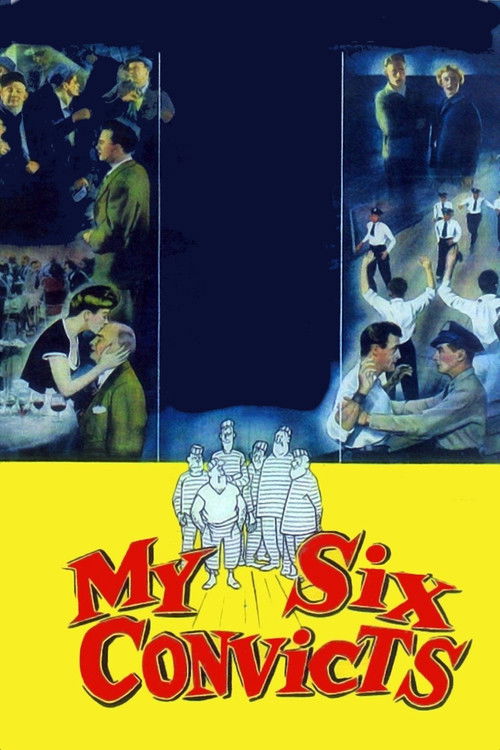
My Six Convicts is a product of its time, prioritizing genre clichés like tension and survival over exploring diverse identities. The film adheres to the traditional casting and thematic norms of the early 1950s. The narrative structure centers around an all-male, predominantly white cast, reinforcing the era's social constraints and lack of inclusion of diverse racial and gender backgrounds. While the film delves into psychological complexities and the breakdown of institutional control, it does not actively challenge social hierarchies or promote progressive social frameworks.
Category Breakdown
The film features an all-male cast set in a mid-century prison. It does not include any non-binary gender identities or challenge the assumption that everyone is straight.
The film focuses entirely on male dynamics within a traditional patriarchal prison setting, lacking any significant female roles or influence.
The casting reflects the homogeneous nature of 1952 cinema. The film features a predominantly white cast with no significant roles for characters of color.
The story explores moral relativism and the tension between institutional authority and survival. However, it primarily functions as a genre-driven thriller.
The film does not significantly address neurodivergence or physical disabilities. While it touches on psychological complexity, it does not offer meaningful representation of disability.
Present on Screen
Limited or Absent
Official Synopsis
A psychologist takes on the daunting task of getting into the mind of prisoners. He must gain the trust and cooperation from a group of men who have no reason to help him and who might enjoy killing him.
1961

1955
1960
1960

1959

1947

1956

1963
No reviews yet. Be the first to share your thoughts on this movie!
Use the rating form above to leave a star rating and optional review.