One More Train to Rob
1971
No user ratings available yet
Diversity score: 1.7 out of 10
1971
GDirector
Andrew V. McLaglen
Runtime
98 minutes
Average Rating
No ratings yetSynopsis
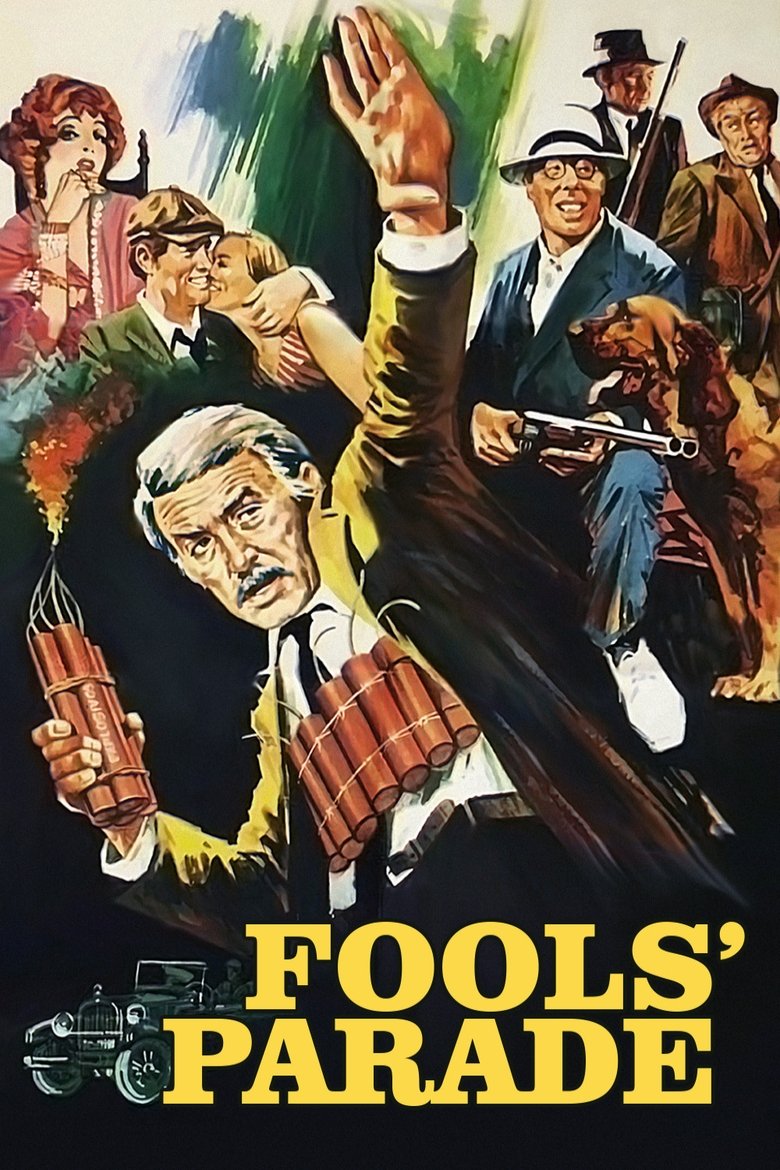
When a trio of ex-convicts led by Mattie Appleyard is released from prison, they hope to open a general store using money Mattie has saved during his 40-year sentence. This attempt is met with great resistance from a corrupt prison official and the banker who issued Mattie the check.
Overall Score
Limited
Category Breakdown
LGBTQ+ Representation
The film operates within a strictly heteronormative framework. There are no depictions of same-sex intimacy or non-cisnormative gender identities.
Gender Representation
The narrative is heavily male-centric, focusing on soldier dynamics and combat. Female characters occupy traditional roles without significant agency to disrupt established hierarchies.
Racial & Ethnic Diversity
The cast is predominantly white, reflecting the historical setting and 1970s production standards. It lacks color-blind casting or a diverse racial landscape.
Religious & Cultural Diversity
The story explores the erosion of military and civil authority through the chaos of war. It presents a morally ambiguous view of duty and heroism.
Disability Representation
There are no prominent depictions of visible or invisible disabilities that drive the narrative or provide character agency.
Strengths
Areas for Improvement
AI Analysis
Fools' Parade is a traditional genre piece that adheres to the demographic and social parameters of its 1971 production and Civil War setting. The film prioritizes masculine camaraderie and conventional social hierarchies, offering very little in the way of intersectional representation. While the film introduces moral complexity by deconstructing notions of heroism and institutional righteousness, this thematic depth does not extend to the cast's diversity. The narrative remains rooted in mid-century cinematic traditions, focusing on a homogeneous group of characters within a chaotic wartime environment.
No reviews yet. Be the first to share your thoughts on this movie!
Use the rating form above to leave a star rating and optional review.