
Big Bang
2007
No user ratings available yet
Representation score: 4.6 out of 10
Representation Score
Limited
2002
Director
Kim Sang-jin
Runtime
121 minutes
Average Rating
No ratings yetNew Showbiz Analysis
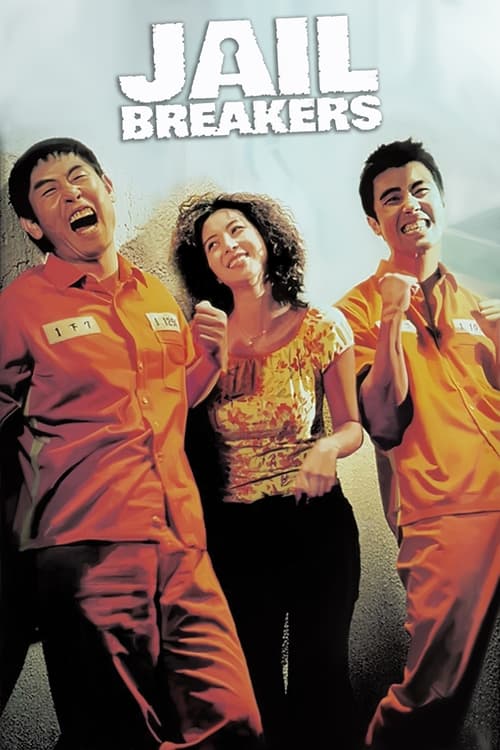
Jail Breakers is a comedy that emphasizes the irony of institutional bureaucracy rather than addressing social issues. The narrative focuses on the tension between personal freedom and the strictures of the penal system. While the film offers a moderate critique of state institutions and administrative dysfunction, it stays within the conventional social frameworks of its time. It does not actively seek to challenge traditional hierarchies of gender, race, or sexual orientation. Ultimately, the film serves as a localized character study of individuals navigating systemic constraints, rather than a platform for diverse representation.
Category Breakdown
The film does not include any queer narratives or non-cisgender identities, sticking to the heterosexual and cisgender assumptions common in early 2000s South Korean cinema.
The story is centered around male inmates in a male-dominated environment. It lacks strong female characters in leadership roles or any clear challenge to gender hierarchies.
Given its South Korean setting, the film’s cast is predominantly homogeneous. It does not feature actors from diverse ethnic backgrounds to break traditional norms, reflecting the demographics of its time.
The story presents a detailed examination of institutional corruption and bureaucratic absurdities. It focuses on local administrative issues rather than broader anti-Western or anti-capitalist themes.
There is no mention of characters with physical or neurodevelopmental disabilities in the available information.
Present on Screen
Limited or Absent
Official Synopsis
Two inmates break out of a prison only to discover afterwards that they are up for parole. Desperate to get their lives back on track, they realize their best move is to break back into the prison without being noticed.
2007

2009
2023
2016

2017

2001
2003
2006
No reviews yet. Be the first to share your thoughts on this movie!
Use the rating form above to leave a star rating and optional review.