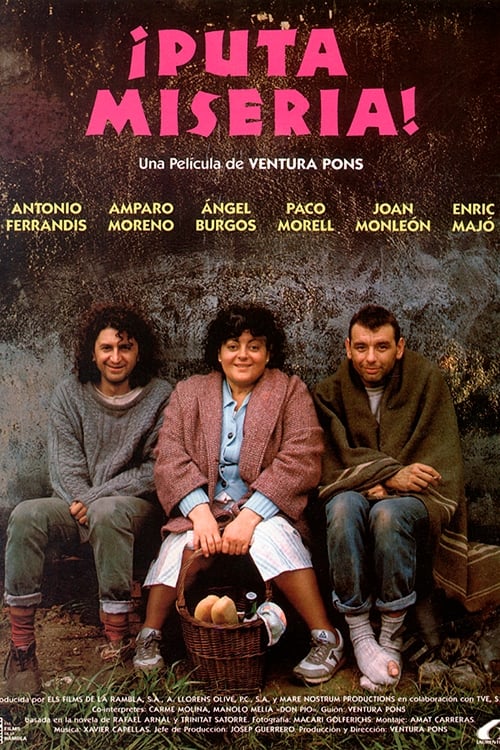
Puta misèria!
1989
No user ratings available yet
Representation score: 5.6 out of 10
Representation Score
Good
1987
Director
Eloy de la Iglesia
Runtime
106 minutes
Average Rating
No ratings yetNew Showbiz Analysis
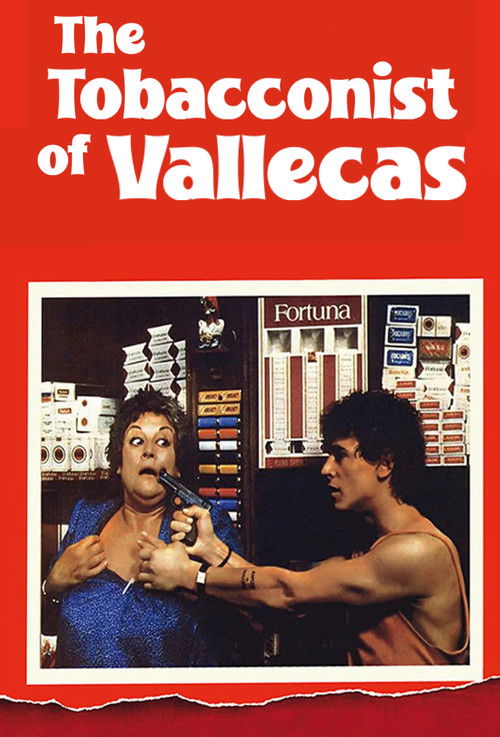
Directed by Eloy de la Iglesia, the film elevates characters from the socioeconomic periphery. It replaces simple criminal or victim archetypes with complex, agentic individuals who exist on the margins of society. The narrative frames the protagonists' actions as symptoms of systemic neglect rather than mere moral failings, creating a nuanced, morally relativistic exploration of life in the Vallecas district. While the film lacks racial diversity, it offers a deep, culturally specific critique of traditional Spanish social fabrics and the oppressive nature of mainstream authority.
Category Breakdown
The film challenges traditional social structures by focusing on characters outside conventional norms. It uses unconventional social bonds to question the dominance of the traditional nuclear family and Spanish Catholic traditions.
Mrs. Justa defies traditional gender roles by acting as a figure of resistance instead of a passive victim. The power dynamic shifts from physical threat to psychological complexity, avoiding the stereotype of a vulnerable woman.
The narrative centers on the urban working class in the Madrid district of Vallecas. It highlights the lived experiences of the underrepresented working class during the post-Franco Spanish transition period.
The film provides a sophisticated critique of Western institutions and capitalist structures. It portrays traditional authority and societal norms as alienating forces through the lens of urban alienation.
There are no characters with visible or invisible disabilities that drive the narrative.
Present on Screen
Limited or Absent
Official Synopsis
Leandro, an unemployed mason and his friend, Tocho, attempt to rob a tobacconist in the Vallecas district of Madrid, but Mrs. Justa, the tobacconist, impedes it alerting the neighbors who notify police. Inside the shop, the confrontation between the two friends and their 'hostages', the tobacconist and her niece Angeles, is relaxing, and a budding sympathy arises between them.
1989

1974

1980

1983

2022

2005

1995
1960
No reviews yet. Be the first to share your thoughts on this movie!
Use the rating form above to leave a star rating and optional review.