
The Captain from Kopenick
1956
No user ratings available yet
Representation score: 2.0 out of 10
Representation Score
Minimal
1940
Director
Helmut Käutner
Runtime
100 minutes
Average Rating
No ratings yetNew Showbiz Analysis
Helmut Käutner’s film is a traditional period comedy focused on the theme of appearance versus reality. It uses the mistaken identity of a tailor perceived as a Russian Count to explore how clothing signifies social status. While the film provides a sophisticated look at class performance, it lacks complexity in addressing multiple aspects of identity. The narrative structure reinforces established social and cultural hierarchies. Ultimately, the film remains a character study of status and etiquette, offering little in the way of diverse representation or systemic critique.
Category Breakdown
The film does not include any LGBTQ+ characters. The story focuses on traditional social and romantic structures.
Gender roles follow the norms of the time period. Female characters show ambition within fashion circles, but their pursuits are tied to social climbing rather than challenging gender hierarchies.
The film portrays a homogeneous society centered on European class distinctions. The Russian Count character is used to deceive about social status rather than explore ethnicity.
The story criticizes the superficiality of social standing using symbols of class. However, it upholds traditional social etiquette without engaging in secular or anti-Western critiques.
There are no characters with visible or invisible disabilities. Disability is not used as a plot device.
Present on Screen
Limited or Absent
Official Synopsis
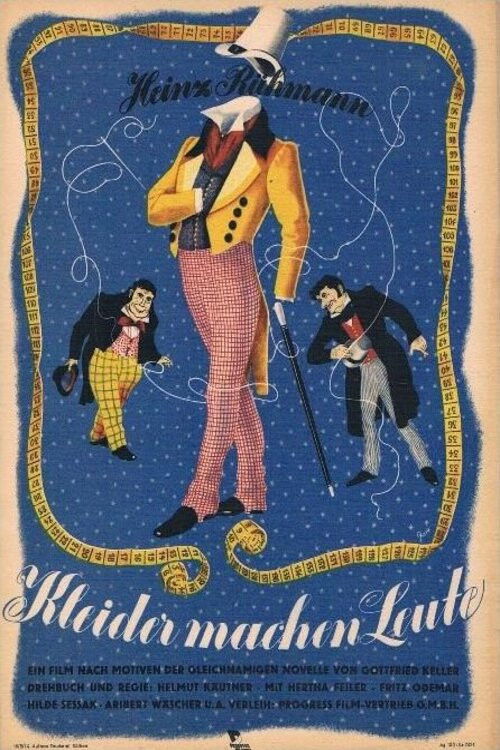
The daydreaming tailor Wenzel is fired from his job, because the fancy frock he was supposed to cut for the mayor, he instead made for himself. He is allowed, however, to take the frock, which he appropriated for himself and he puts it on as he leaves the shop. A puppeteer picks him up in his coach and addresses Wenzel as "Count". So is he received in Goldach, where people think he is Count Stroganoff, the ambassador to the Czar of Russia.
1956

1941
1937
1943
2001
1918

1954
1916
No reviews yet. Be the first to share your thoughts on this movie!
Use the rating form above to leave a star rating and optional review.