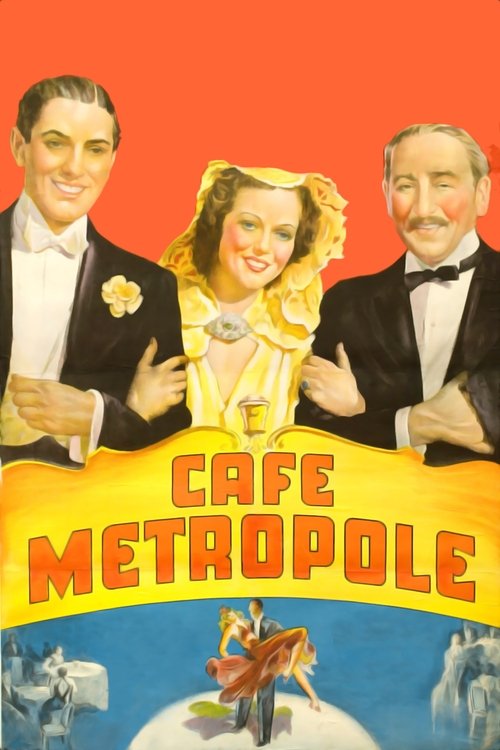
Café Metropole
1937
No user ratings available yet
Diversity score: 3.2 out of 10
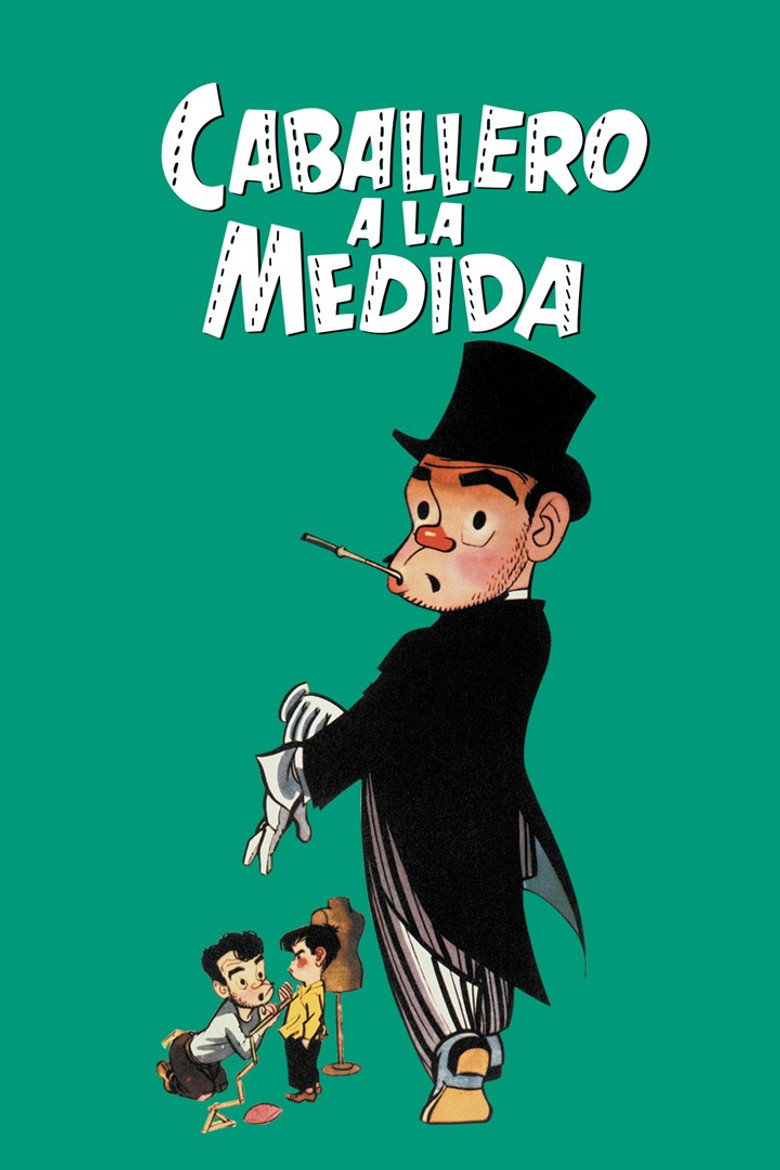
1954
Director
Miguel M. Delgado
Runtime
100 minutes
Average Rating
No ratings yetSynopsis
Cantinflas works as a model of tuxedos in a prestigious store, your job is to use the smoking in the street along with an advertising sign on his back. The use of smoking gives you access to exclusive places and meet important people. During this time, Cantinflas was the manager of an amateur boxer, it is an attractive nurse assistant and occasionally attending a priest in the church and the orphanage. However, a Cantinflas day while wearing tuxedo, is a rich man, who mistakenly believe that Cantinflas is a millionaire too.
Overall Score
Fair
Category Breakdown
LGBTQ+ Representation
The film lacks LGBTQ+ characters or narratives that critique heteronormativity. It focuses on traditional romantic and social archetypes common to the 1954 era.
Gender Representation
A nurse assistant provides a professional female presence, but the story centers on the male protagonist's social navigation. Gender dynamics align with mid-century traditionalism.
Racial & Ethnic Diversity
The film centers on a Mexican cast and cultural milieu. It serves as a primary expression of national identity, empowering the Mexican working class.
Religious & Cultural Diversity
The narrative uses institutional critique by showing the protagonist navigate the church and orphanage. It portrays social standing as a performative mask rather than virtue.
Disability Representation
There is no evidence regarding the portrayal of physical or neurodivergent disabilities in the film.
Strengths
Areas for Improvement
AI Analysis
Tailored gentleman is a class-based comedy that uses the 'picaresque' tradition to explore socioeconomic friction. The protagonist disrupts high society by using a tuxedo to mimic the elite, highlighting the superficiality of social decorum. While the film lacks modern intersectional markers like LGBTQ+ representation or progressive gender roles, it succeeds in its critique of class hierarchies. It celebrates the trickster archetype who navigates institutions through wit rather than adherence to rules. Ultimately, the film functions as a study of class performance, offering a localized empowerment of the Mexican working class within the Golden Age of Mexican cinema.
1937
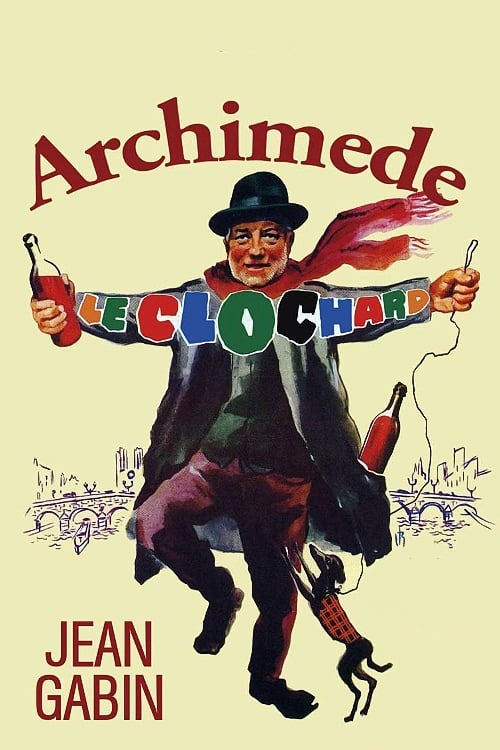
1959
1950
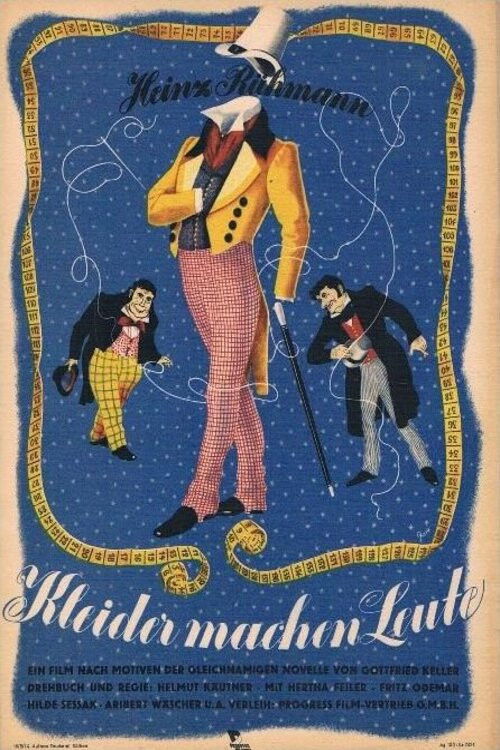
1940
1953
1977
1921
1919
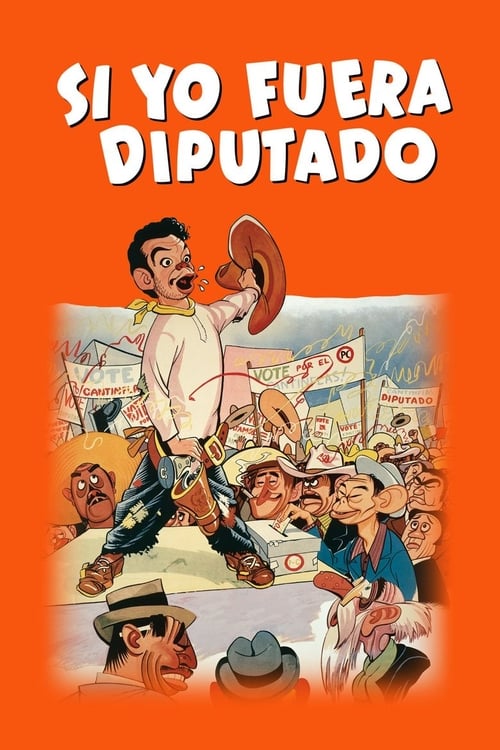
1952
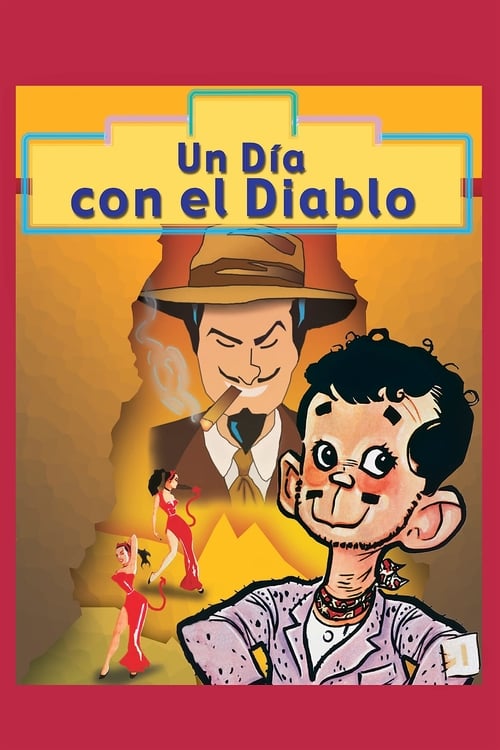
1945

1944

1962
No reviews yet. Be the first to share your thoughts on this movie!
Use the rating form above to leave a star rating and optional review.