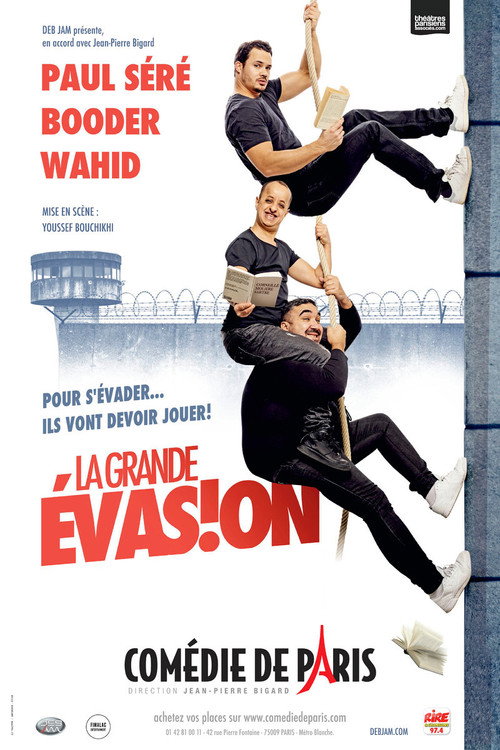
La Grande Évasion
2019
No user ratings available yet
Representation score: 4.6 out of 10
Representation Score
Fair
1992
Director
Vladimir Studennikov, Mikhail Grigoriev
Runtime
78 minutes
Average Rating
No ratings yetNew Showbiz Analysis
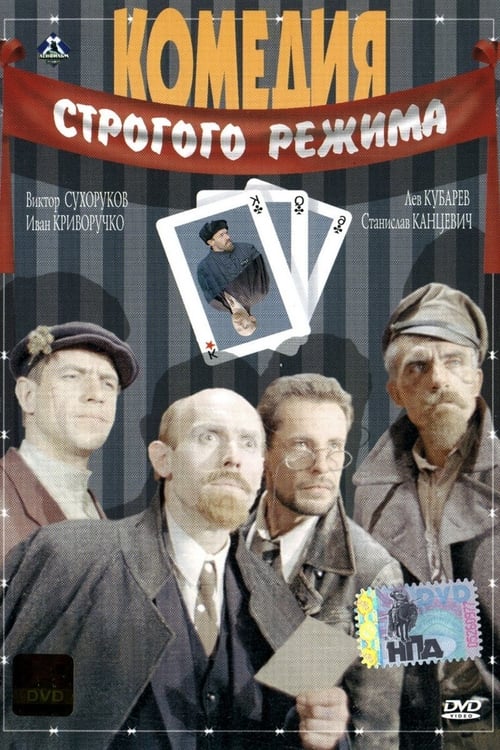
Comedy of the Strict Regime works well as a critique of rigid institutions. Using a play-within-a-play format, the film turns mandatory celebrations into chances for rebellion and escape. While the film shines in its clever dismantling of power structures, it falls short in representing diverse identities. The focus remains on a male-dominated hierarchy within a specific Soviet context. The film’s strength lies in its critical approach to authority rather than in its depiction of underrepresented groups.
Category Breakdown
The film does not show any visible LGBTQ+ identities or characters who don't identify with their birth-assigned gender. The 1970s Soviet setting implies a strict enforcement of straight relationships by the state.
The story centers around male authority figures such as the camp commander. Women do not have prominent roles or challenge traditional gender hierarchies.
The cast likely includes various ethnicities reflecting the USSR’s diversity. However, the focus on Lenin’s centenary highlights a dominant Slavic perspective.
The film uses satire to break down political symbols and portrays state-mandated progress as a cause of chaos and personal empowerment.
There is no information about characters with physical or cognitive differences.
Present on Screen
Limited or Absent
Official Synopsis
The action is set in 1970 as the Soviet Union (and the entire progressive world) are preparing to celebrate Lenin's centenary. Not to be outdone, the camp commander decides to have the prisoners put on a play about Lenin's life. However, the ensuing preparations turn everything upside down and seem to offer a God-given chance to plot an escape.
2019

1967
1980
1964
1998
1970

1996
1990
No reviews yet. Be the first to share your thoughts on this movie!
Use the rating form above to leave a star rating and optional review.