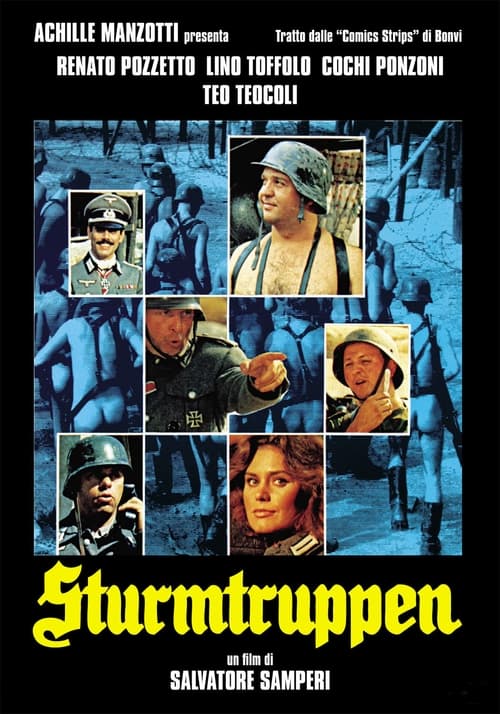
Stormtroopers
1976
No user ratings available yet
Representation score: 5.0 out of 10
Representation Score
Fair
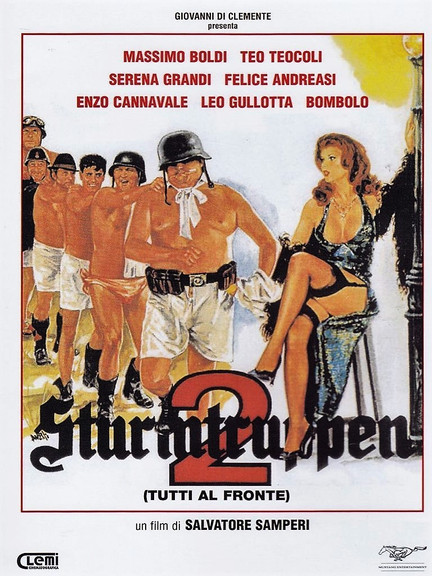
1982
Director
Salvatore Samperi
Runtime
95 minutes
Average Rating
No ratings yetNew Showbiz Analysis
Stormtroopers II functions primarily as a satirical critique of institutional absurdity. It uses a group of misfits to deconstruct traditional structures of authority and competence through comedic subversion. While the film lacks explicit markers of diversity, it shows potential in its challenge to established social hierarchies. The director's history of exploring social friction suggests a focus on individual desire versus institutional control. Ultimately, the film's diversity is limited by the era's production norms, focusing more on class and social satire than on explicit representation of race, gender, or disability.
Category Breakdown
The film operates as a satirical comedy that may challenge typical romantic storylines. However, there is no clear depiction of LGBTQ+ identities or narratives that question the assumption that everyone is straight.
The story centers on misfits forming an absurd army, which may mock traditional masculine military hierarchies. It remains unclear if women play a significant role in driving the story.
The production likely reflects the demographic homogeneity of 1982 Italian cinema. The narrative focuses on class-based misfits rather than ethnic or racial diversity.
The film critiques institutional authority by framing military endeavors as absurd. It highlights characters on the periphery of social norms to challenge organized power structures.
There is no documented evidence of characters with physical or neurodivergent disabilities. The film lacks visible representation regarding these specific themes.
Present on Screen
Limited or Absent
Official Synopsis
A group of misfits form an army in an absurd war.
1976

1970

1978
1959
1974

1980
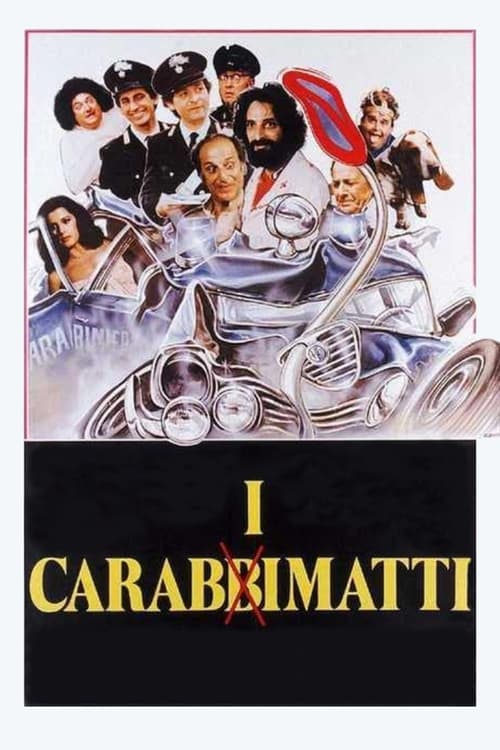
1981
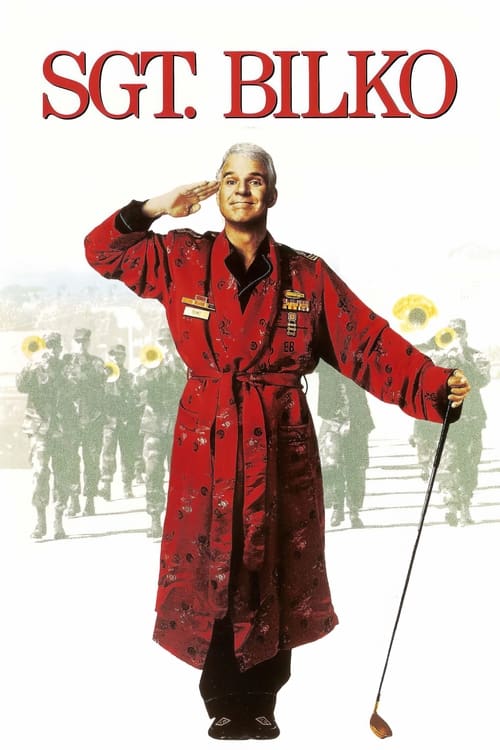
1996
No reviews yet. Be the first to share your thoughts on this movie!
Use the rating form above to leave a star rating and optional review.