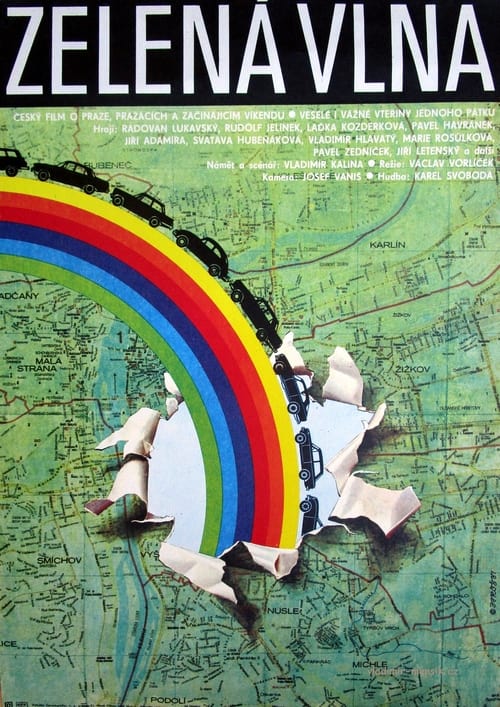
Zelená vlna
1982
No user ratings available yet
Representation score: 4.2 out of 10
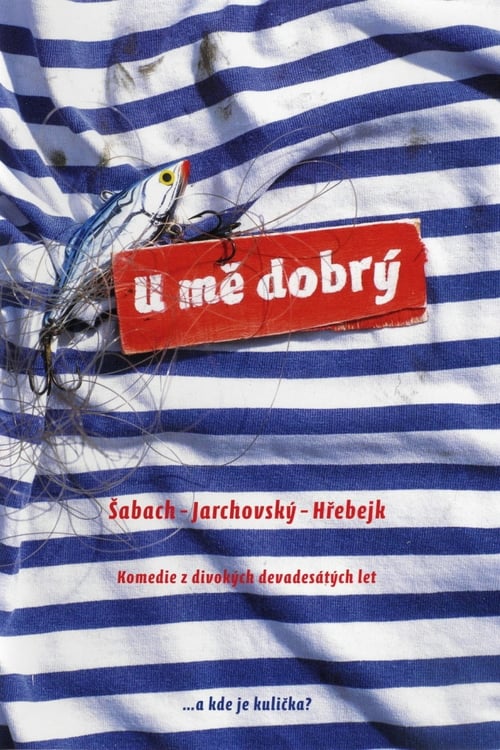
Representation Score
Fair
2008
Director
Jan Hřebejk
Runtime
102 minutes
Average Rating
No ratings yetNew Showbiz Analysis
Jan Hřebejk’s comedy is a localized period piece that prioritizes historical accuracy over broad demographic representation. It provides a critical examination of the moral relativism and confusion following the Velvet Revolution, offering a sophisticated cultural critique of systemic shifts. However, the film lacks depth in representing various identities. The narrative is limited to the demographic homogeneity of the era, offering little representation for LGBTQ+ individuals, diverse ethnic groups, or characters with disabilities. Ultimately, the film serves as a specific socio-political study of Czech identity rather than a diverse ensemble piece.
Category Breakdown
The film focuses on the everyday life and social dynamics of post-revolutionary Prague. It does not include any characters or stories that explore LGBTQ+ identities or experiences, sticking to traditional social structures.
The narrative examines family life and changing roles during a time of political upheaval. However, it adheres to the gender norms of late 20th-century Czech society without challenging existing hierarchies.
Given the demographic uniformity of the region in the late 1980s and early 1990s, the film does not feature any multi-ethnic casting. The focus is solely on the local Czech experience.
The film offers a nuanced look at the systemic power and instability following the 1989 revolution. It questions the uncritical acceptance of new values during this transitional period.
There is no indication that neurodivergence, physical disabilities, or mental health conditions play a role in the character arcs. The story emphasizes political and social changes over disability-related themes.
Present on Screen
Limited or Absent
Official Synopsis
This Hrebejk’s comedy is set in Prague, four years after the democratic “Velvet revolution” of 1989. This was an era of sudden freedom, transition and confusion. Most people got carried away, quickly abandoning the old values and uncritically accepting the new. Some people just took a break…
1982
2006
1997
1967

1997
1995
1983
1993
No reviews yet. Be the first to share your thoughts on this movie!
Use the rating form above to leave a star rating and optional review.