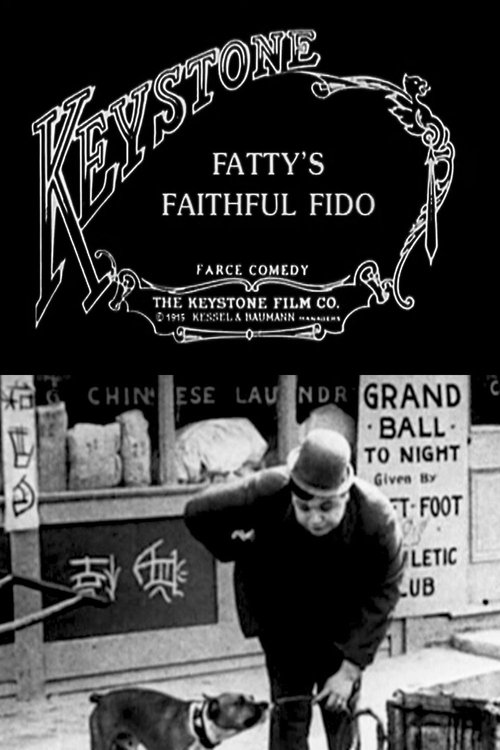
Fatty’s Faithful Fido
1915
No user ratings available yet
Diversity score: 2.6 out of 10

1919
NRDirector
Roscoe Arbuckle
Runtime
26 minutes
Average Rating
No ratings yetSynopsis
Roscoe and Buster give a bullying Strongman the what-for, but after the performance troupe quits it's up to Fatty and Buster to keep the show going.
Overall Score
Limited
Category Breakdown
LGBTQ+ Representation
The film lacks any evidence of non-cisnormative gender identities or same-sex intimacy. The narrative focuses on traditional comedic conflicts rather than queer identity exploration.
Gender Representation
The story centers on a masculine dynamic between male leads. It emphasizes physical struggle and camaraderie, adhering to the era's focus on male-driven slapstick.
Racial & Ethnic Diversity
The production appears to reflect the homogeneous casting standards of 1919. There is no evidence of non-white majority casting or intersectional depth.
Religious & Cultural Diversity
The show business setting utilizes classic tropes of resilience and labor. It operates within conventional entertainment boundaries without critiquing Western institutions or religious morality.
Disability Representation
There is no specific evidence that disability is used as a narrative device. While physical comedy is central, it does not appear to target disability.
Strengths
Areas for Improvement
AI Analysis
Back Stage is a quintessential example of early 20th-century slapstick comedy. The narrative relies on traditional archetypes, such as the confrontation with a bullying strongman, to drive its kinetic humor. The film's structure is built around male-driven physical comedy and the camaraderie between Arbuckle and Keaton. This focus reinforces the period's standard gender dynamics rather than challenging them. Ultimately, the work functions as standard entertainment of its era. It lacks the intentionality needed to represent marginalized identities or disrupt established social hierarchies.
1915
1917
1918
1919
1920

1917
1917
1915
1915

1918
1929
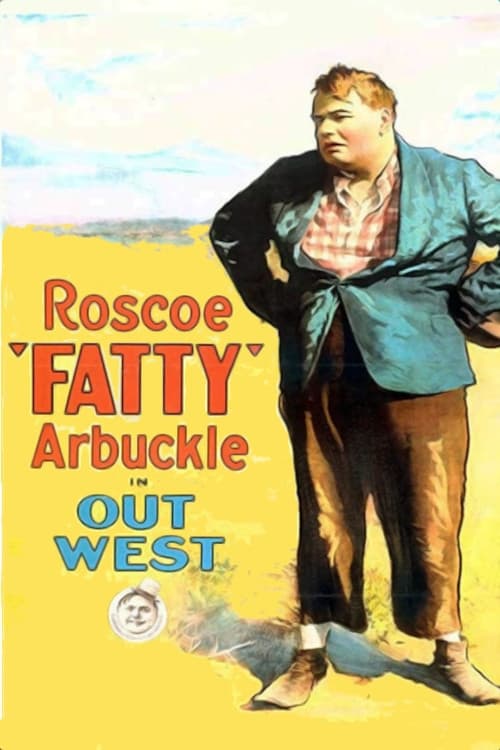
1918
No reviews yet. Be the first to share your thoughts on this movie!
Use the rating form above to leave a star rating and optional review.