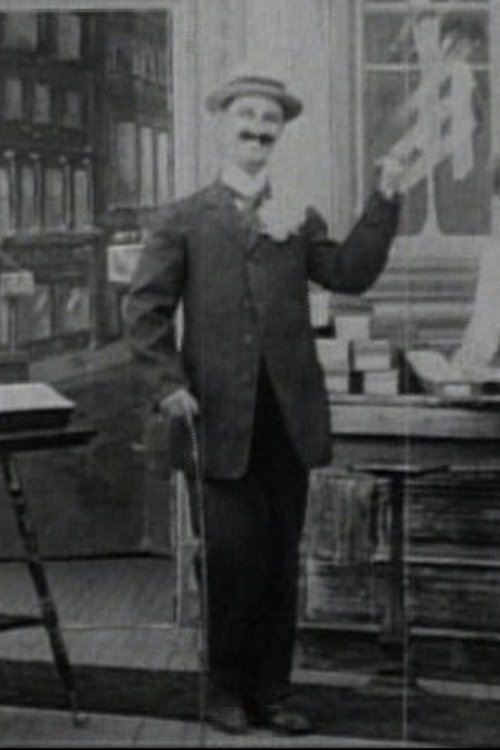
Mr. Flip
1909
No user ratings available yet
Representation score: 1.0 out of 10
Representation Score
Minimal
1914
NRDirector
George Nichols
Runtime
8 minutes
Average Rating
No ratings yetNew Showbiz Analysis
A Flirt's Mistake is shaped by early 20th-century cinematic standards, emphasizing slapstick and situational irony. Its narrative structure prioritizes comedic antics over any attempt to subvert social hierarchies or explore diverse identities. The film's adherence to traditional comedic clichés restricts its diversity. While it includes non-Western characters, these are likely caricatures rather than nuanced or empowering representations. Overall, the film serves as a typical comedy of its era, lacking the depth and empowerment needed to challenge the social structures of 1914.
Category Breakdown
The film adheres to the romantic and social norms of the 1910s, with no indication of LGBTQ+ identities or critiques of the assumption that everyone is straight or cisgender.
The story relies on clichés where women are often portrayed as objects of pursuit or catalysts for chaos, limiting their roles as active participants in the plot.
The inclusion of a rajah hints at South Asian characters, but these representations likely align with era-specific stereotypes rather than nuanced or empowering portrayals.
This comedy focuses on situational humor without challenging institutional norms or exploring secular or anti-Western themes.
There is no depiction of characters with visible or invisible disabilities in the synopsis.
Present on Screen
Limited or Absent
Official Synopsis
When Fatty Arbuckle accidentally hits on the rajah, he declares, "Death to all flirts!" and hijinks ensue.
1909
1914

1909

1915

1915

1914
1918

1914
No reviews yet. Be the first to share your thoughts on this movie!
Use the rating form above to leave a star rating and optional review.