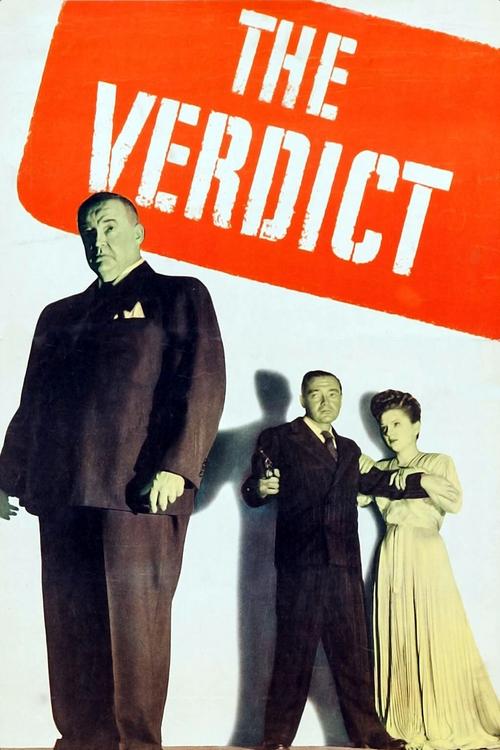
The Verdict
1946
No user ratings available yet
Representation score: 1.6 out of 10
Representation Score
Limited
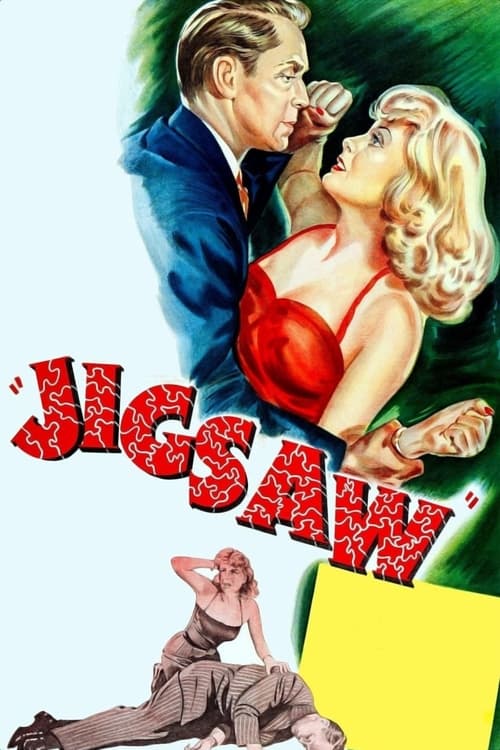
1949
NRDirector
Fletcher Markle
Runtime
70 minutes
Average Rating
No ratings yetNew Showbiz Analysis
Jigsaw is a mid-century noir thriller that follows a traditional procedural format. The story focuses on an Assistant District Attorney's struggle against a neo-fascist organization, emphasizing institutional stability and the preservation of legal order. The film operates within the social and cinematic constraints of 1949, upholding the status quo by defending state structures against ideological threats. It relies on conventional character archetypes and traditional hierarchies, reflecting the standard narrative architecture of the post-war era.
Category Breakdown
The film does not include any representation of LGBTQ+ identities or queer narratives. Given the time period and censorship standards, there is no indication of LGBTQ+ characters having significant roles.
The story centers around a male Assistant District Attorney, indicating a male-dominated leadership. Women in the film likely play secondary or domestic roles typical of the era.
Set in mid-century New York, the film likely adheres to the homogeneous casting norms of the period. The narrative appears to default to a white-centric perspective common in noir films.
The conflict against neo-fascism positions the protagonist as a defender of democratic institutions. This reinforces Western legal structures rather than challenging them.
There is no evidence of neurodivergent or physically disabled characters having significant roles. In this era, disability was often used as a plot device or a marker of villainy.
Present on Screen
Limited or Absent
Official Synopsis
New York Assistant District Attorney Howard Malloy launches an investigation into a series of murders related to a neo-fascist organisation.
1946
1951
1945
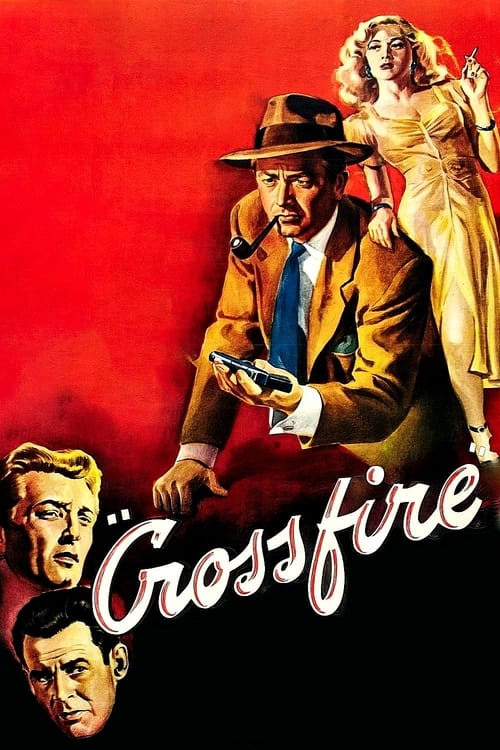
1947
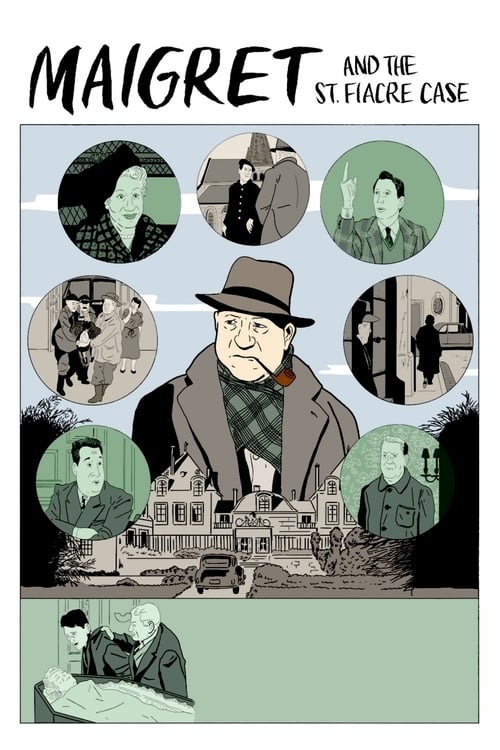
1959
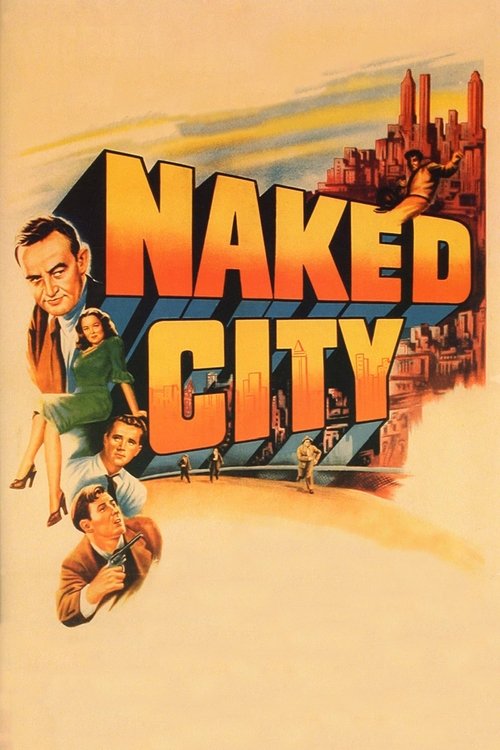
1948

1964
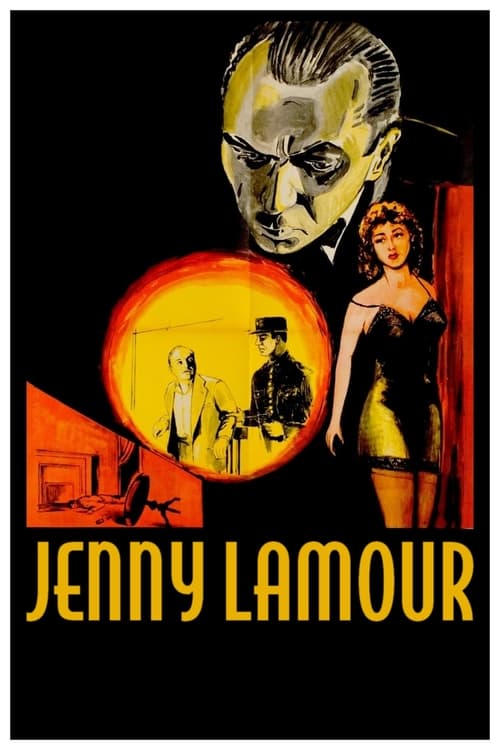
1947
No reviews yet. Be the first to share your thoughts on this movie!
Use the rating form above to leave a star rating and optional review.