Maigret and the St. Fiacre Case
1959
No user ratings available yet
Representation score: 0.3 out of 10
Representation Score
Good
1947
Not RatedDirector
Henri-Georges Clouzot
Runtime
108 minutes
Average Rating
No ratings yetNew Showbiz Analysis
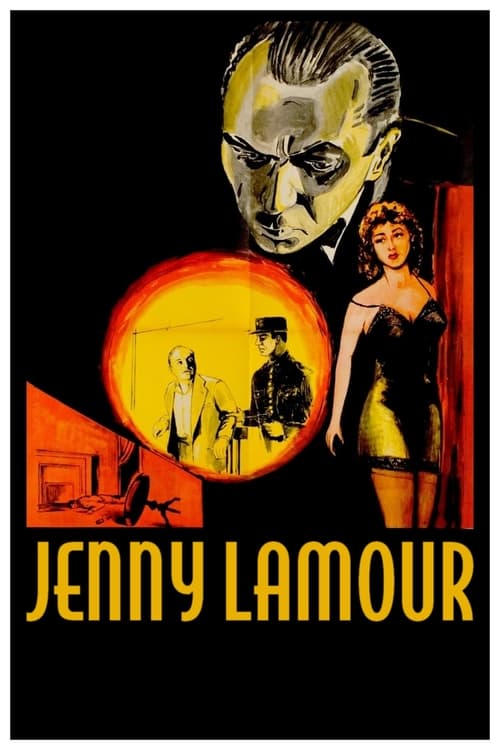
Clouzot’s masterpiece focuses on psychological realism, emphasizing character depth over broad demographic representation. It challenges traditional gender roles by centering on a woman's autonomy within a male-dominated investigation. However, the film is limited by the era's social constraints, showing almost no racial or ethnic diversity. It also lacks any meaningful representation of disability, focusing instead on the characters' mental obsessions. Ultimately, the film's strength lies in its sophisticated, relativistic view of human behavior, even if it doesn’t include modern multi-layered elements.
Category Breakdown
The film follows the conventions of 1940s France, which assumes everyone is straight. It doesn't show any explicit LGBTQ+ identities but hints at unconventional emotional connections and fluid desires.
Jenny Lamour serves as a central, ambitious figure whose professional their own choices drive the plot. The film avoids submissive archetypes, instead exploring toxic masculinity through Maurice's pathological jealousy.
The film reflects the homogeneous demographics of post-war Paris. The cast does not include diverse racial or ethnic backgrounds, staying true to the local social context of 1946.
Clouzot skillfully dismantles institutional authority through moral relativism. The film emphasizes psychological complexity and situational ethics over traditional religious or singular moral ideals.
The film does not intentionally represent physical or neurodivergent disabilities. Characters are defined by their psychological states such as obsession rather than by physical or cognitive conditions.
Present on Screen
Limited or Absent
Official Synopsis
Paris, France, December 1946. Jenny Lamour, an ambitious cabaret singer, and Maurice, her extremely jealous pianist husband, become involved in the thorough investigation of the murder of a shady businessman, led by Antoine, a peculiar and methodical police inspector.
1959
1942
1949

1944
1969
1948
1937
1948
No reviews yet. Be the first to share your thoughts on this movie!
Use the rating form above to leave a star rating and optional review.