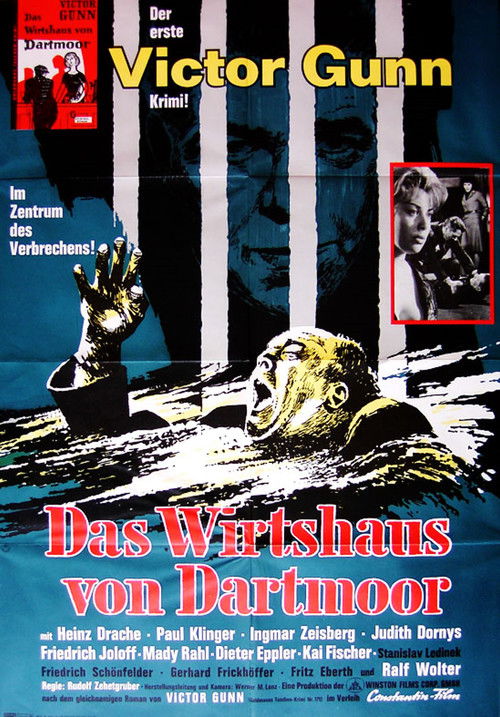
The Inn on Dartmoor
1964
No user ratings available yet
Representation score: 2.9 out of 10
Representation Score
Fair
1964
ApprovedDirector
Denis Sanders
Runtime
94 minutes
Average Rating
No ratings yetNew Showbiz Analysis
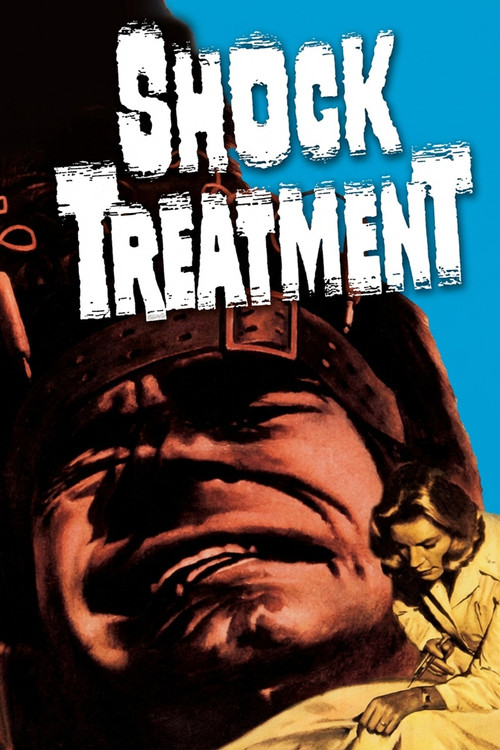
Shock Treatment is a product of its era, functioning as a genre-standard comedy that adheres to the social and demographic norms of 1960s Western cinema. It relies on traditional narrative structures and lacks characters who reflect more than one aspect of diversity. The film's focus on a male investigator within a psychiatric institution reinforces mid-century archetypes. While the setting inherently involves mental health, it lacks the depth required to go beyond period-typical clichés. Ultimately, the work does not attempt to disrupt established cultural hierarchies or offer progressive perspectives on identity.
Category Breakdown
The film does not include any LGBTQ+ characters or narratives that challenge the assumption that everyone is straight or cisgender. It follows the standard social norms of 1964 German comedy.
The story focuses on a male private investigator working in a male-dominated environment. Gender roles adhere to conventional mid-century archetypes without challenging traditional hierarchies.
The cast appears homogeneous, reflecting the demographic status quo of its era. There is no evidence of diverse ethnic blending or non-white characters with significant roles in the story.
The setting utilizes a traditional Western framework of medical and social authority. The film operates within a standard moral framework typical of mid-century European cinema.
The asylum setting highlights neurodivergence as a key theme. However, these depictions risk using mental illness as a comedic device rather than providing nuanced character development.
Present on Screen
Limited or Absent
Official Synopsis
A private investigator endures the rigors of an insane asylum in order to locate $1 million in stolen loot.
1964
1963
1949

1962
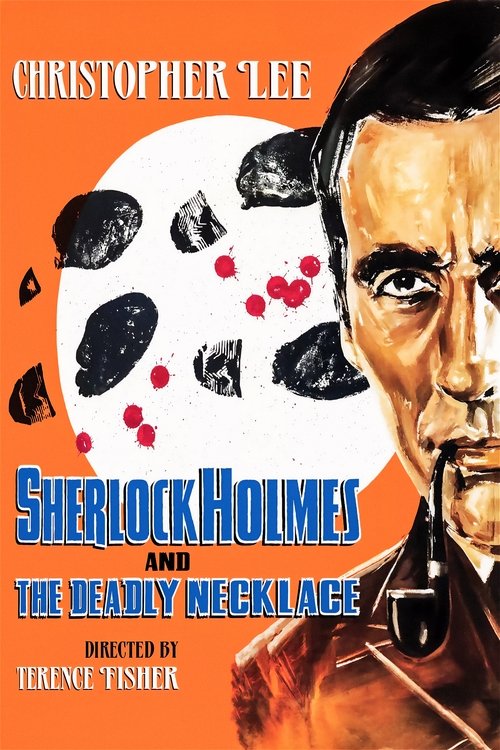
1962
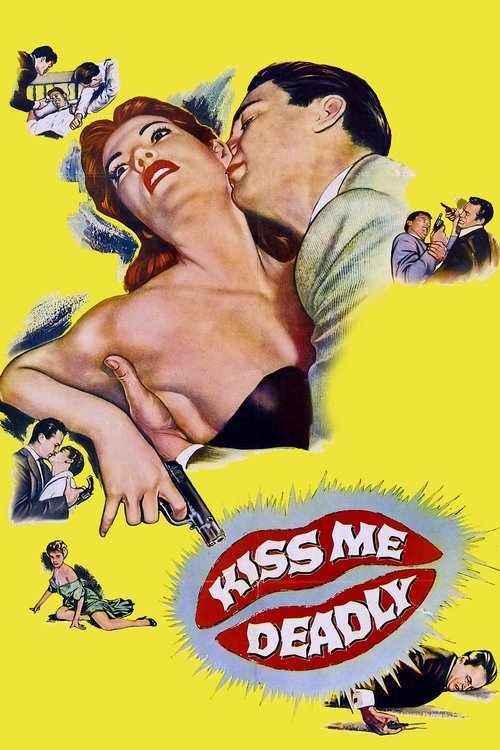
1955
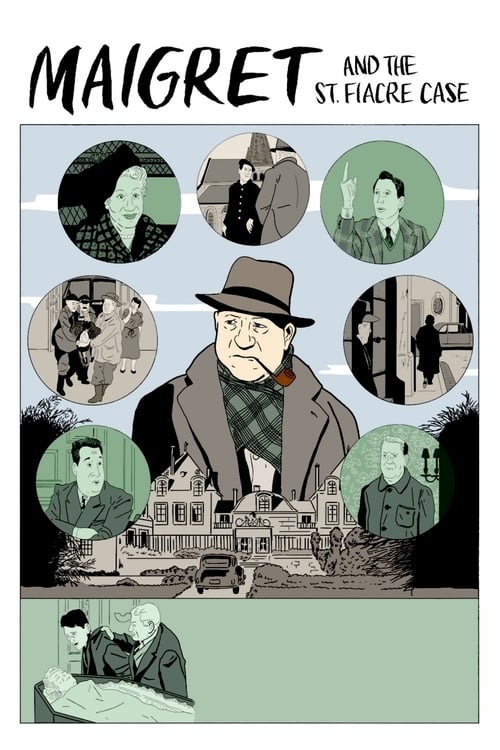
1959
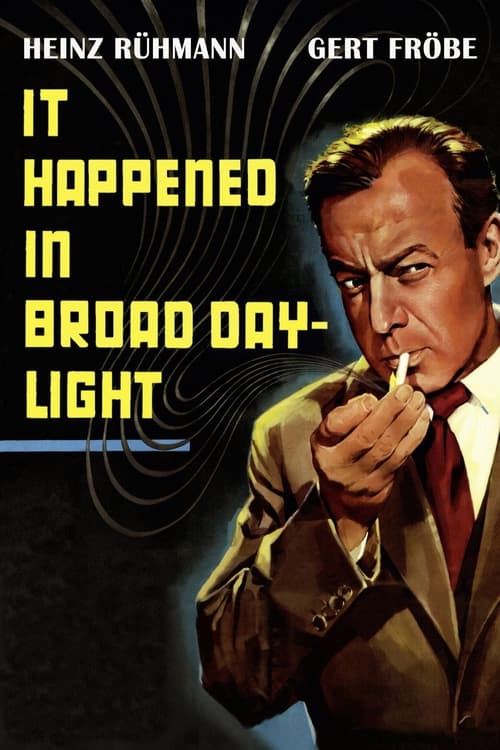
1958
No reviews yet. Be the first to share your thoughts on this movie!
Use the rating form above to leave a star rating and optional review.