
Rope and Skin
1979
No user ratings available yet
Representation score: 5.3 out of 10
Representation Score
Fair
1994
Director
Tatsumi Kumashiro
Runtime
123 minutes
Average Rating
No ratings yetNew Showbiz Analysis
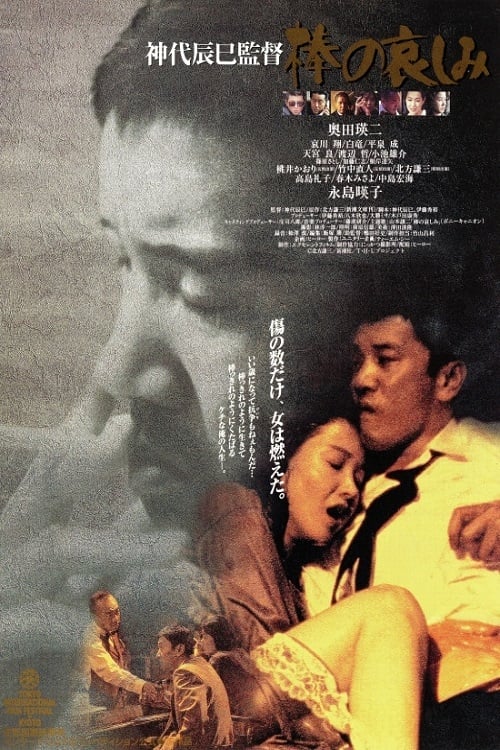
Director Tatsumi Kumashiro brings his history of exploring underrepresented social strata and transgressive sexuality to this drama. The film centers on characters on the periphery of mainstream society, subverting traditional social hierarchies. While the cast is culturally homogeneous, the film provides a nuanced look at the Japanese shadow economy. However, it lacks explicit LGBTQ+ representation and does not address disability as a character identity.
Category Breakdown
The film focuses on a male protagonist and his relationships with two female mistresses. There is no clear indication of queer-coded identities or LGBTQ+ themes.
Women in the film play significant roles, acting as a nightclub owner and a brothel-keeper. They navigate complex power dynamics, challenging traditional patriarchal hierarchies.
The cast is predominantly of Japanese ethnicity, offering a detailed look into specific Japanese subcultures within the Yakuza underworld.
The film critiques traditional social structures through the lens of a social outcast, highlighting transient lifestyles and questioning rigid hierarchies.
There is no representation of neurodivergent or physical disabilities. The protagonist's self-inflicted wound serves as a narrative device rather than a character study.
Present on Screen
Limited or Absent
Official Synopsis
Tanaka is a yakuza who collects 'protection money' from establishments. He has just been released from jail, where he had spent eight years, and finds out that his boss wants to get rid of him. Tanaka is not an archetypal yakuza; he travels by public transport. But he does have two mistresses: Ayumi, who runs a nightclub, and Yoshie, a brothel-keeper. When Tanaka's boss ends up in hospital, second man Kurauchi exerts increasing pressure on Tanaka. Tanaka deliberately has himself wounded by a fighter to dodge several of Kurauchi's demands.
1979

1990
1995

1948
2007

1974

1973

2018
No reviews yet. Be the first to share your thoughts on this movie!
Use the rating form above to leave a star rating and optional review.