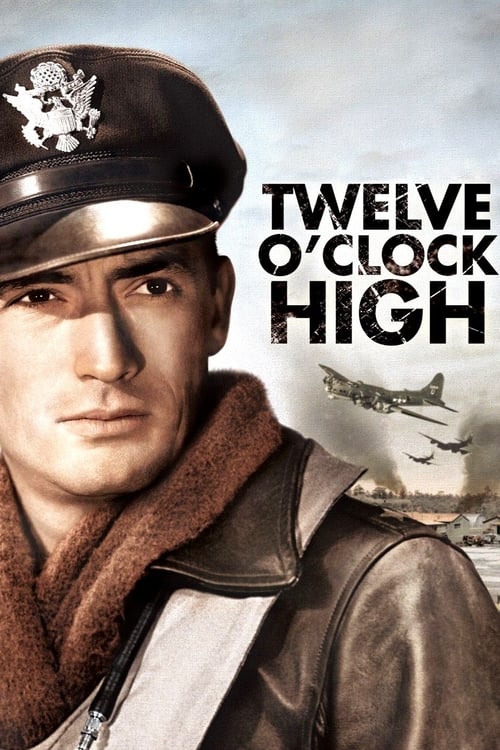
Twelve O'Clock High
1949
No user ratings available yet
Representation score: 1.7 out of 10
Representation Score
Minimal
1950
ApprovedDirector
Allan Dwan
Runtime
100 minutes
Average Rating
No ratings yetNew Showbiz Analysis
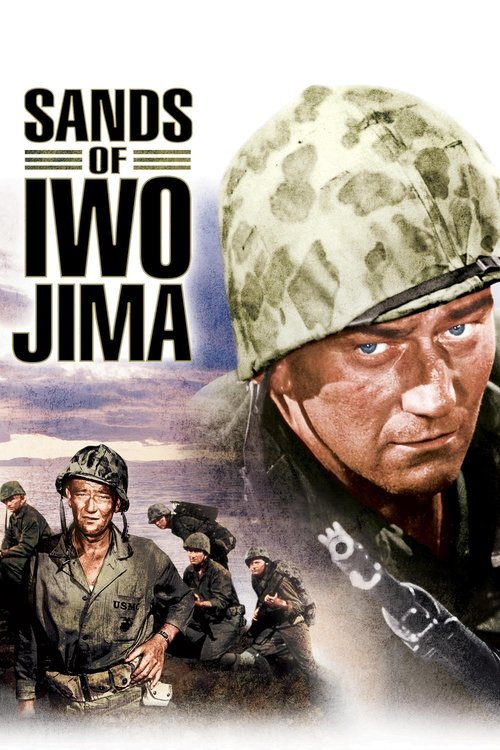
Sands of Iwo Jima is a classic mid-century war drama that emphasizes traditional heroism and clear moral binaries. The film reinforces established social and institutional hierarchies through its focus on military discipline and patriotic duty. While the film provides a nuanced exploration of the psychological friction inherent in military leadership, it does so within a narrow social lens. It avoids exploring diverse identities, focusing instead on a singular, cohesive Western identity. Ultimately, the work reinforces the geopolitical status quo of 1950, emphasizing the importance of rigid authority and the preservation of the existing order.
Category Breakdown
The film adheres to a strict focus on heterosexual relationships and traditional masculinity, excluding any depictions of LGBTQ+ identities or same-sex intimacy.
The story centers on a male-dominated military hierarchy, omitting women entirely and thus avoiding submissive femininity clichés. However, it reinforces patriarchal structures without challenging them.
The cast is predominantly white and Anglo-Saxon, reflecting era-standard practices. The portrayal of Japanese forces as disciplined adversaries maintains a rigid 'us vs. them' binary.
The story emphasizes Western institutional values such as patriotism and military discipline. It upholds rigid authority and the established order without exploring moral relativism.
There are no prominent characters with visible or invisible disabilities. The film focuses on combat readiness and leadership psychology, ignoring disability issues.
Present on Screen
Limited or Absent
Official Synopsis
Haunted by personal demons, Marine Sgt. John Stryker is hated and feared by his men, who see him as a cold-hearted sadist. But when their boots hit the beaches, they begin to understand the reason for Stryker's rigid form of discipline.
1949

1964
2006
1965
1977

1959
1976

1959
No reviews yet. Be the first to share your thoughts on this movie!
Use the rating form above to leave a star rating and optional review.