Butterfly Dance
1896
No user ratings available yet
Representation score: 1.9 out of 10
Representation Score
Limited
1896
Not RatedDirector
James H. White, William Heise
Runtime
1 minutes
Average Rating
No ratings yetNew Showbiz Analysis
This 1896 documentary captures a key moment in early performance art, offering a glimpse into the physical prowess of a female performer from a diverse cultural background. However, its brief nature restricts the exploration of multi-layered identities. While it disrupts passive gender clichés, it lacks complexity in narrative and depth in cultural critique.
Category Breakdown
The film does not include any LGBTQ+ characters or narratives related to queer themes.
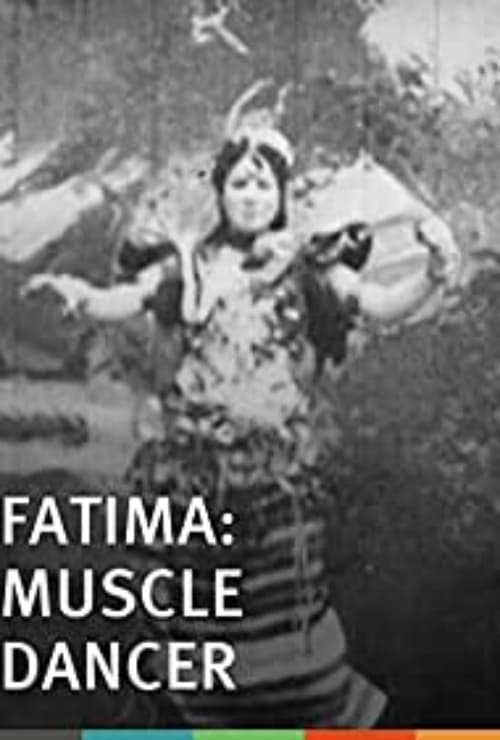
Fatima showcases her physical strength and skill through her dance, emphasizing her active role rather than relying on passive female stereotypes found in early cinema.
The film highlights non-Western cultural expressions by focusing on a performance style from the 1893 World's Fair. Fatima is shown as a well-known performer from this period.
The film presents a secular perspective focused on the physical performance rather than traditional Western moral frameworks. It does not delve into anti-colonial or complex cultural narratives.
There are no characters with visible or invisible disabilities featured in this short performance piece.
Present on Screen
Limited or Absent
Official Synopsis
The dancer Fatima, well-known for her dancing shows at the World's Exhibition in 1893, performs for the camera. She opens her act by twirling around a few times, and then she does the 'muscle dance' for which she had attracted considerable notoriety.
1896
1897
1903
1897
1897
1905
1900
1905
No reviews yet. Be the first to share your thoughts on this movie!
Use the rating form above to leave a star rating and optional review.