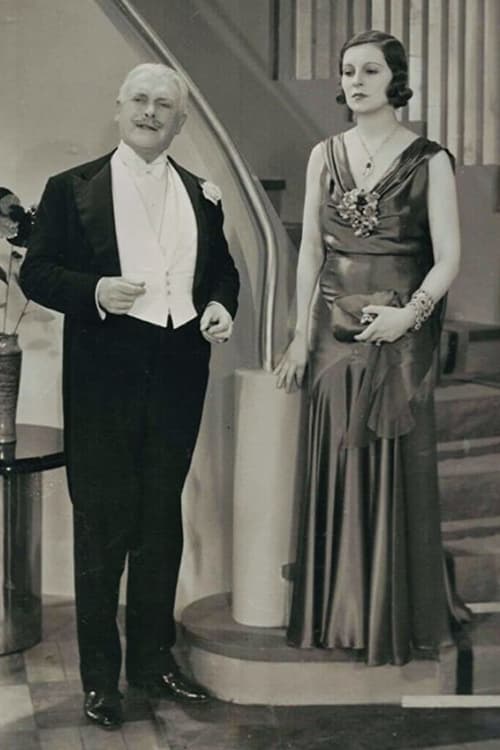
These Charming People
1931
No user ratings available yet
Representation score: 0.8 out of 10
No Poster Available
Representation Score
Minimal
1928
PassedDirector
Robert F. Hill
Runtime
70 minutes
Average Rating
No ratings yetNew Showbiz Analysis
Life's Mockery operates within the conventional boundaries of late silent-era filmmaking. Despite featuring a prominent female lead, Betty Compson, the film adheres to the standard cultural norms of 1928. The narrative likely follows established dramatic structures that prioritize traditional storytelling and social norms. There is a notable absence of critiques of social hierarchies or systemic issues in the production details. Overall, the film reflects the homogeneous casting and moral frameworks typical of the Hollywood studio system during this period.
Category Breakdown
The film does not include any characters with non-binary or transgender identities. Given the strict social norms and censorship rules of the 1920s, such representations were rare.
Betty Compson stars as a strong female lead. However, it is unclear whether the film challenges gender roles or simply follows the typical melodramatic conventions of the time.
The film likely reflects the homogeneous casting practices of the 1920s studio system. There is no evidence of significant roles for non-white actors or diverse casting.
The film appears to follow the traditional moral and social values common in American cinema of the late silent era.
There is not enough information to determine if characters with visible or invisible disabilities are present in the film.
Present on Screen
Limited or Absent
Official Synopsis
Life's Mockery is a 1928 American silent drama film directed by Robert F. Hill and starring Betty Compson.
1931
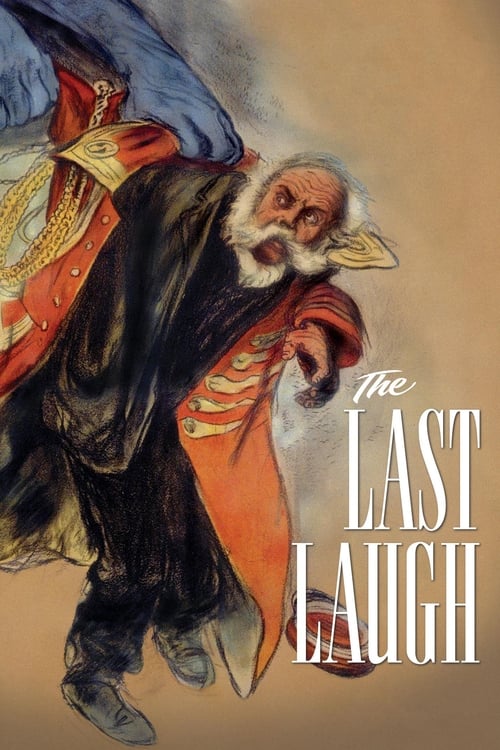
1924
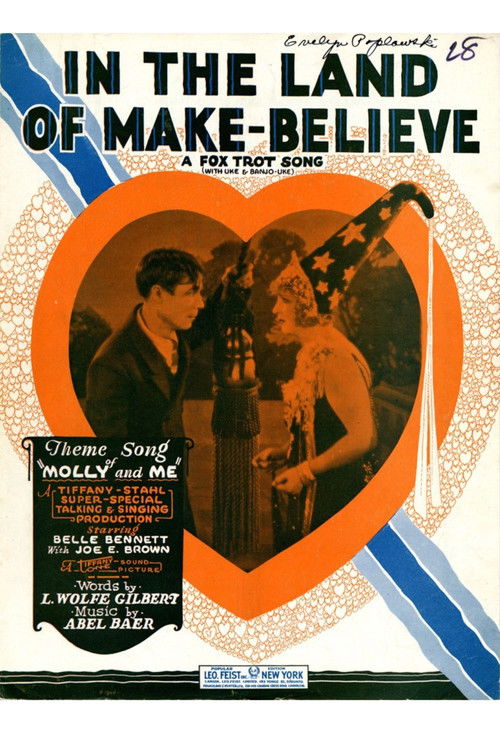
1929
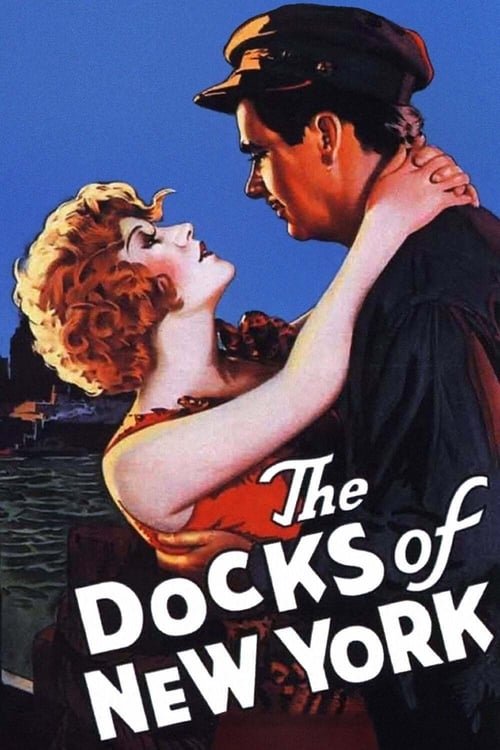
1928

1918

1924
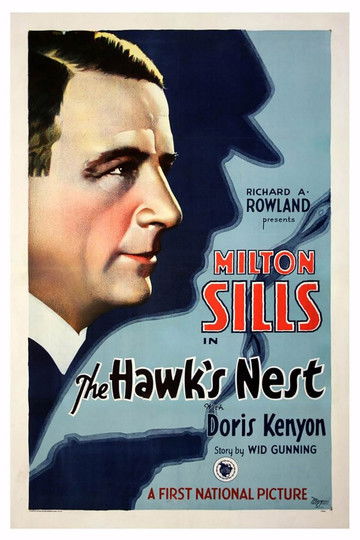
1928

1928
No reviews yet. Be the first to share your thoughts on this movie!
Use the rating form above to leave a star rating and optional review.