
Two Against the World
1932
No user ratings available yet
Representation score: 0.8 out of 10

Representation Score
Minimal
1932
PassedDirector
Harry Beaumont
Runtime
77 minutes
Average Rating
No ratings yetNew Showbiz Analysis
Unashamed is a typical period melodrama that adheres to the conventional social and cinematic norms of the early 1930s. The narrative structure relies on established Hollywood formulas, focusing on a debutante's romantic dilemmas and her brother's legal battles. The film lacks complexity or critique of societal systems. It portrays a world dominated by traditional gender roles and a homogeneous racial demographic, offering minimal representation outside the era's dominant social norms. Ultimately, the film serves as a snapshot of early sound-era studio productions, emphasizing traditional romantic and legal drama over progressive social exploration.
Category Breakdown
The film does not include any LGBTQ+ characters or non-straight relationships. The story revolves around a romantic relationship and family legal issues, following the era's assumptions about straight relationships.
While the female lead drives the narrative forward, the story centers on a male character facing legal troubles. Female influence seems linked to romantic involvement rather than independent actions.
The production reflects the predominantly white demographic typical of early 1930s studio dramas. There is no indication of ethnic diversity or race-bent casting.
The story highlights traditional Western social classes and moral standards of the 1930s, reinforcing the era's views on romance and legality.
There is no mention of characters with visible or invisible disabilities in the synopsis.
Present on Screen
Limited or Absent
Official Synopsis
A debutante's (Helen Twelvetrees) brother (Robert Young) stands trial for killing her no-good lover.
1932

1929

1933

1935

1936

1931

1928
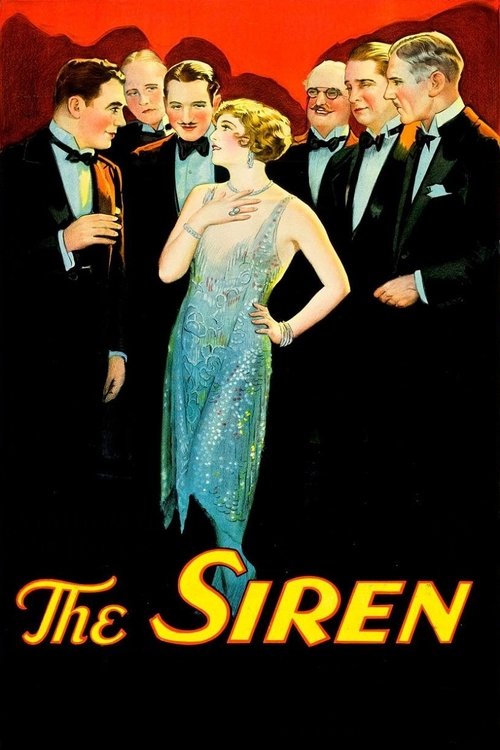
1927
No reviews yet. Be the first to share your thoughts on this movie!
Use the rating form above to leave a star rating and optional review.