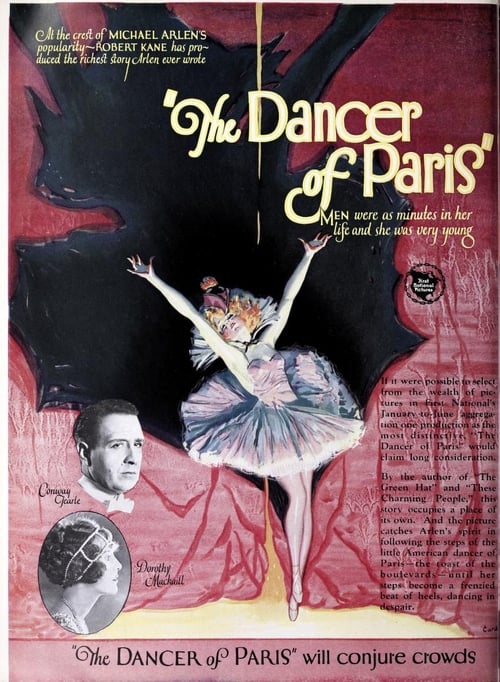
The Dancer of Paris
1926
No user ratings available yet
Representation score: 0.0 out of 10
Representation Score
Minimal
1927
PassedDirector
Louis J. Gasnier
Runtime
60 minutes
Average Rating
No ratings yetNew Showbiz Analysis
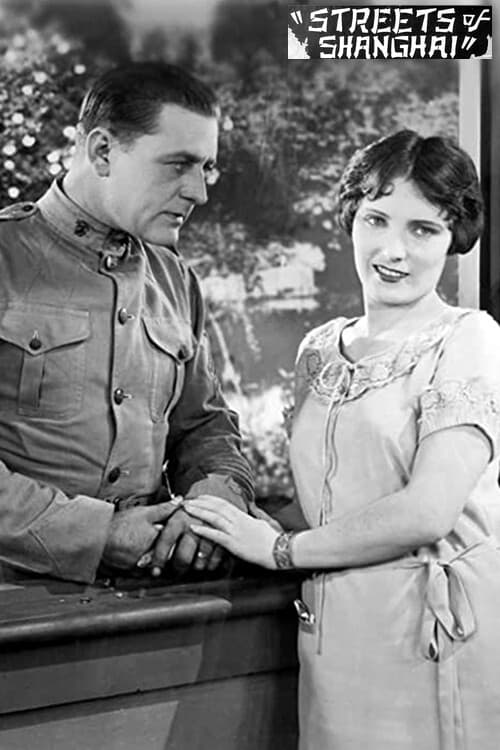
Streets of Shanghai reflects the conservative social hierarchies of the early 20th century. The film lacks subversive elements and follows traditional storytelling structures common to 1927 cinema. The film shows a significant absence of diverse identities, particularly regarding LGBTQ+ and disability representation. The lack of verifiable data on character arcs suggests a narrative that reinforces period stereotypes rather than challenging them. While the international setting of Shanghai offers a cross-cultural backdrop, the film likely uses Western-centric perspectives.
Category Breakdown
The film does not contain any verified representations of LGBTQ+ identities. Due to the 1927 release date, such narratives were practically non-existent given the strict social and censorship standards of the time.
The film does not challenge traditional gender hierarchies. It likely adheres to period stereotypes of domesticity or victimization rather than providing significant roles for women.
Set in Shanghai, the film likely relies on stereotypical or exoticized settings. There is no evidence of authentic racial ability to act or depth in representing different backgrounds.
The narrative seems to follow conventional moral frameworks of the 1920s. There is no evidence of secularism or deconstruction of Western institutions.
There is no information available regarding the inclusion of neurodivergent or physically disabled characters. Early cinema often used such characters as caricatures rather than meaningful characters.
Present on Screen
Limited or Absent
1926
1932
1931
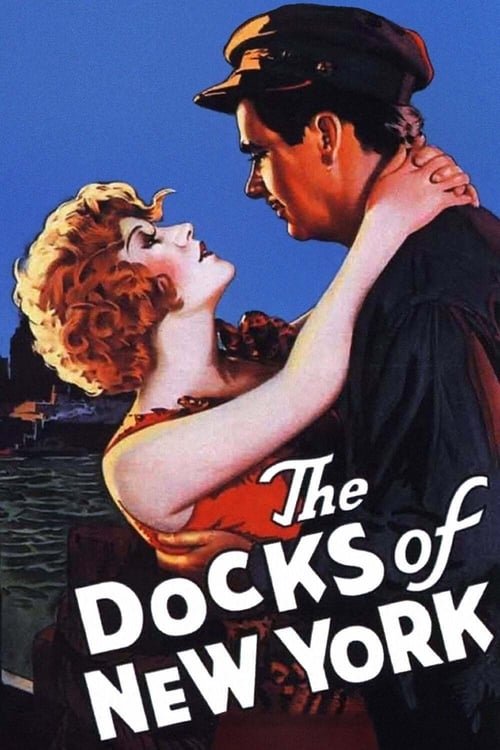
1928
1929
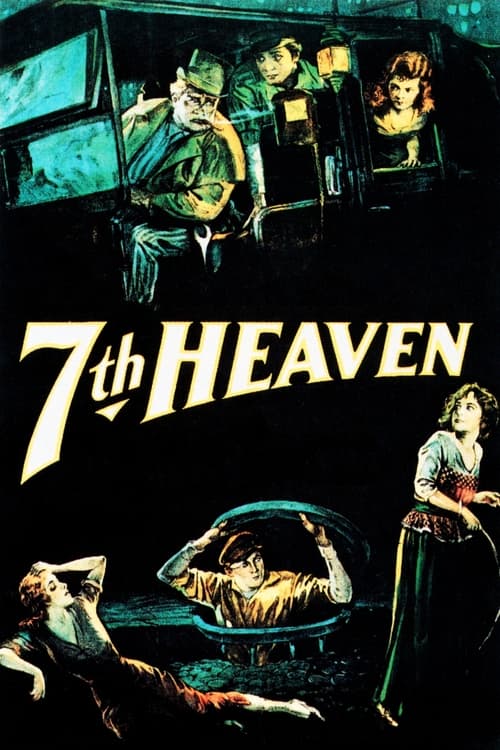
1927
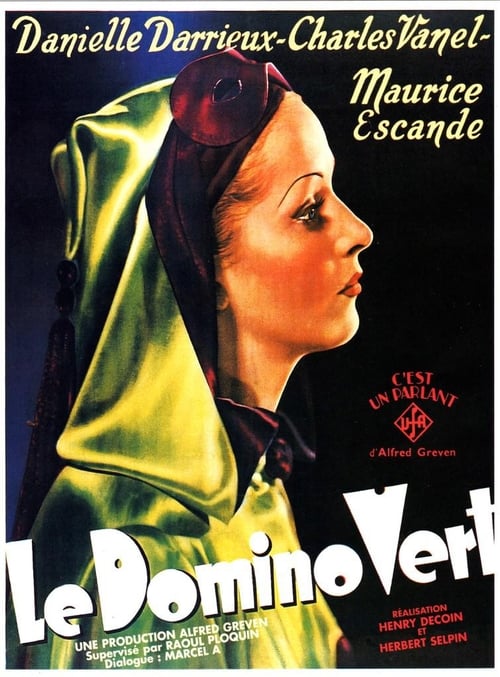
1935
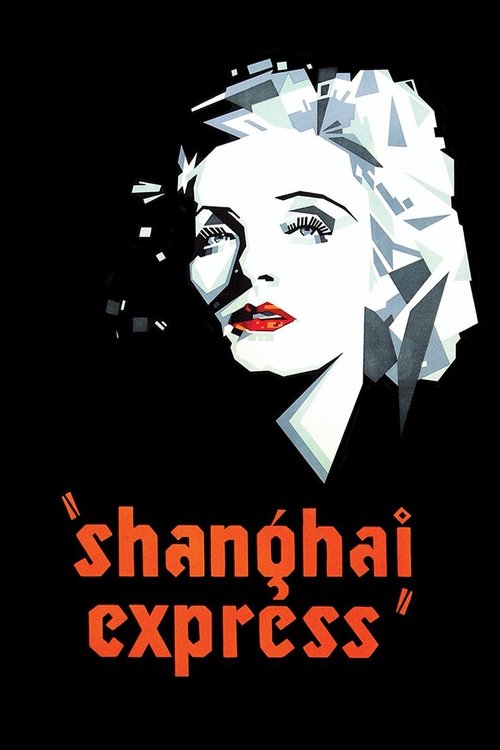
1932
No reviews yet. Be the first to share your thoughts on this movie!
Use the rating form above to leave a star rating and optional review.