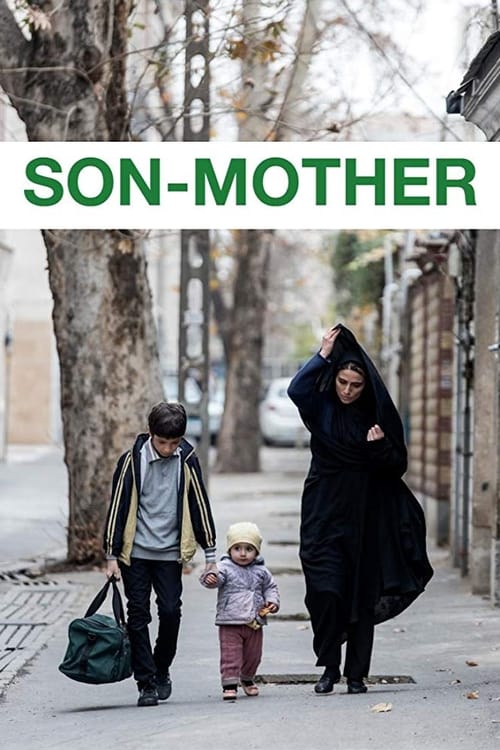
Son-Mother
2020
No user ratings available yet
Representation score: 6.4 out of 10
Representation Score
Fair
2005
Director
Rakhshan Banietemad
Runtime
92 minutes
Average Rating
No ratings yetNew Showbiz Analysis
Rakhshan Banietemad uses social realism to highlight female subjectivity and critique systemic structures. By positioning Tuba as the anchor of a fractured family, the film successfully challenges traditional gender hierarchies and the myth of the stable male leader. The film excels in its sophisticated critique of patriarchal and state-imposed social constraints. It portrays the domestic sphere not as a sanctuary, but as a site of oppression, offering a powerful critique of established social orders. However, the narrative lacks representation for LGBTQ+ identities and disability-centric stories. While it provides a deep exploration of Iranian social and domestic realities, it remains culturally homogeneous and does not actively seek diverse racial representation.
Category Breakdown
The film does not include explicit LGBTQ+ characters or non-straight identities. The story centers on the heterosexual struggles of a central family unit, focusing on straight relationships rather than queer perspectives.
Tuba is the main character who drives the story, emphasizing women's ability to take control over maintaining patriarchal stability. The film challenges traditional masculine roles by showing them as sources of domestic and political instability.
This localized Iranian production features a culturally homogeneous cast. It offers an authentic, nuanced view of Tehran without attempting to diversify the racial landscape within its specific context.
The story critiques traditional institutions, framing the family and state as sites of systemic struggle. It explores the tension between individual autonomy and established social or religious constraints.
There are no prominent characters whose narratives are driven by visible or invisible disabilities. The focus remains on socioeconomic and gender-based struggles.
Present on Screen
Limited or Absent
Official Synopsis
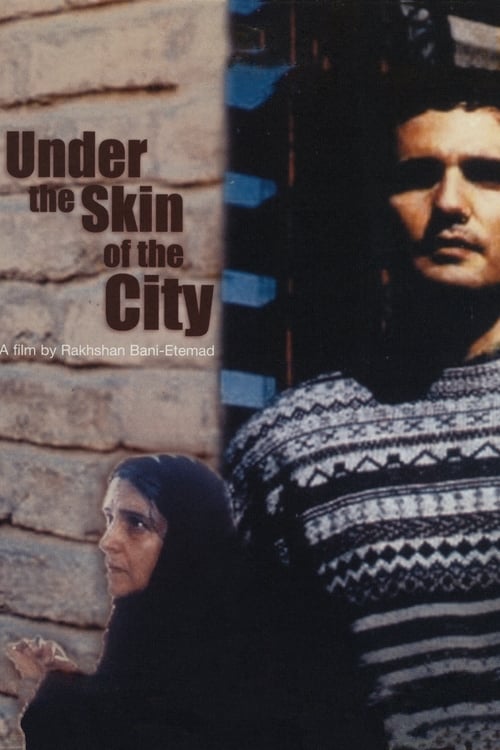
Tuba works daily at a grueling textile factory in Iran, returning home every night to deal with the rest of her problematic family, which includes: a pregnant daughter whose husband beats her regularly; a teenage son, who's been getting into trouble due to his burgeoning career in radical politics; and an older son who goes to great lengths--such as attempting to sell the family's meager house--in order to get an engineering job in Japan as a means of getting out of Iran.
2020
2000
2004
2004

2022
2023
2016
2020
No reviews yet. Be the first to share your thoughts on this movie!
Use the rating form above to leave a star rating and optional review.