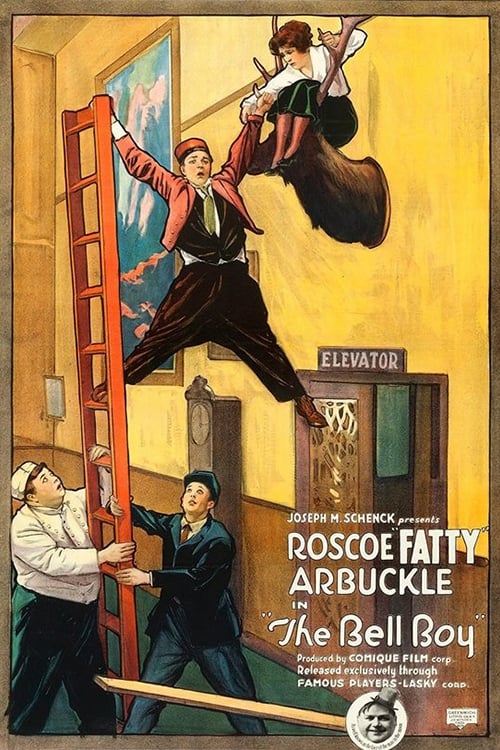
The Bell Boy
1918
No user ratings available yet
Diversity score: 2.4 out of 10
1925
NRDirector
Roscoe Arbuckle, Grover Jones
Runtime
24 minutes
Average Rating
No ratings yetSynopsis
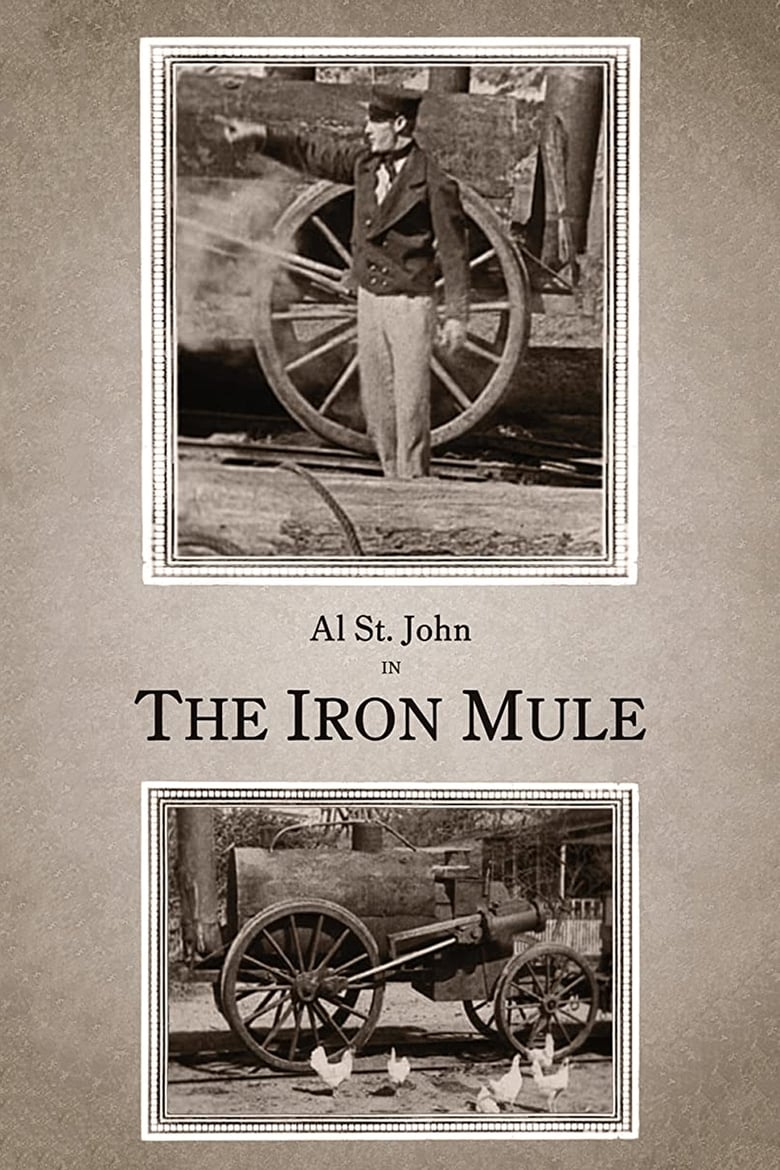
A train known as the Iron Mule is loaded with passengers, and starts off on its trip. Along the way, the train faces numerous obstacles and delays. The engineer is prepared for most of them, but the real challenges come when the train is ambushed by Indians.
Overall Score
Limited
Category Breakdown
LGBTQ+ Representation
The film lacks any evidence of LGBTQ+ characters or narratives. It follows the standard comedic structures of the silent era, which provided no explicit queer visibility.
Gender Representation
The narrative focuses on the train engineer, centering male technical agency. Female characters appear to be relegated to secondary or decorative roles typical of 1920s action-comedies.
Racial & Ethnic Diversity
The plot features an ambush by Indians, a trope that often relied on reductive caricatures. This positions Indigenous peoples as externalized obstacles to the protagonist's journey.
Religious & Cultural Diversity
The story celebrates industrial progress and the competence of the engineer. It lacks critiques of Western institutions, instead reinforcing the stability of the technological status quo.
Disability Representation
There is no information available regarding the portrayal of physical or neurodivergent characters in this film.
Strengths
Areas for Improvement
AI Analysis
The Iron Mule is a product of its era, prioritizing physical slapstick and industrial spectacle over social complexity. The narrative relies on traditional conflict archetypes that reinforce historical power hierarchies. While the film showcases the technical competence of the engineer, it does so through a lens that marginalizes diverse identities. The central conflict with Indigenous populations serves as a colonialist trope common in 1920s Western narratives. Ultimately, the film functions as a period-typical comedy. It adheres to the conventional gender and racial dynamics of the early 20th century without attempting to disrupt established social norms.
1918
1942
1935
1928
1936

1915
1923
1934
1920
1932

1929
1935
No reviews yet. Be the first to share your thoughts on this movie!
Use the rating form above to leave a star rating and optional review.