Blood and Thunder
1931
No user ratings available yet
Diversity score: 2.7 out of 10
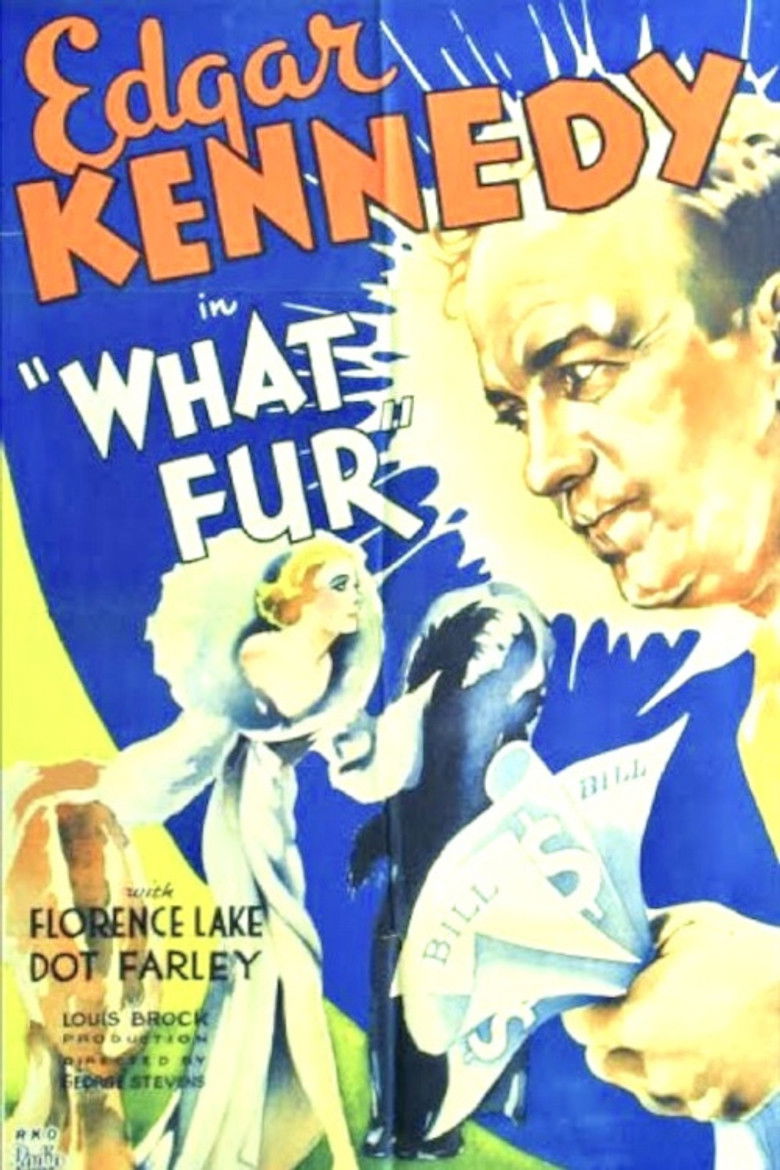
1933
ApprovedDirector
George Stevens
Runtime
21 minutes
Average Rating
No ratings yetSynopsis
Part of the Average Man series. Edgar becomes the victim of a blackmail scheme. He receives a compromising photograph showing himself with a young lady, which threatens his domestic peace.
Overall Score
Limited
Category Breakdown
LGBTQ+ Representation
The film adheres strictly to the heteronormative social structures of the early 1930s. No non-cisnormative identities or narratives challenging traditional romantic frameworks are present.
Gender Representation
Female characters function within established social roles typical of the era. Their presence is framed through the lens of domestic stability or potential disruption to the male protagonist's status.
Racial & Ethnic Diversity
The narrative focuses on a likely Anglo-centric social environment. There is no evidence of racial plurality or non-white characters with significant narrative agency.
Religious & Cultural Diversity
The plot prioritizes the preservation of domestic peace and traditional Western social institutions. It lacks any critique of capitalism, religion, or Western authority.
Disability Representation
There is no documented evidence of characters with visible or invisible disabilities. Disability is not utilized as a narrative device or plot point.
Strengths
Areas for Improvement
AI Analysis
What Fur is a conventional comedy that reinforces established social hierarchies rather than disrupting them. The narrative architecture is built around maintaining social standing and avoiding scandal, which reflects the standardized studio system of 1933. The film prioritizes the stability of the nuclear family and traditional domesticity. By focusing on a blackmail scheme involving a compromising photograph, the story centers on the preservation of conventional social reputation. Ultimately, the work serves as a baseline for early 20th-century mainstream storytelling. It lacks the intentional subversion of gender, racial, or cultural norms necessary to achieve a higher progressive score.
1931
1931
1931
1930
1937
1930
1936
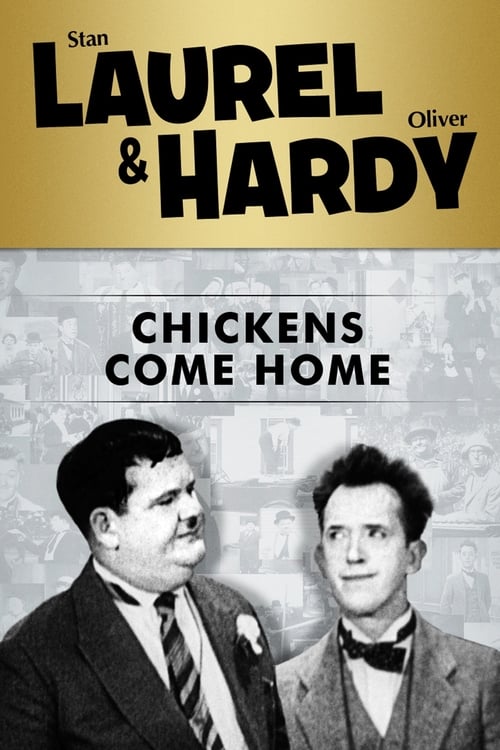
1931
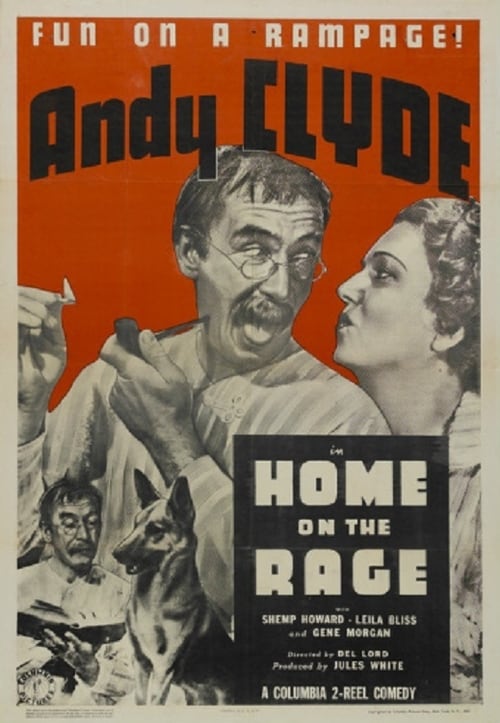
1938
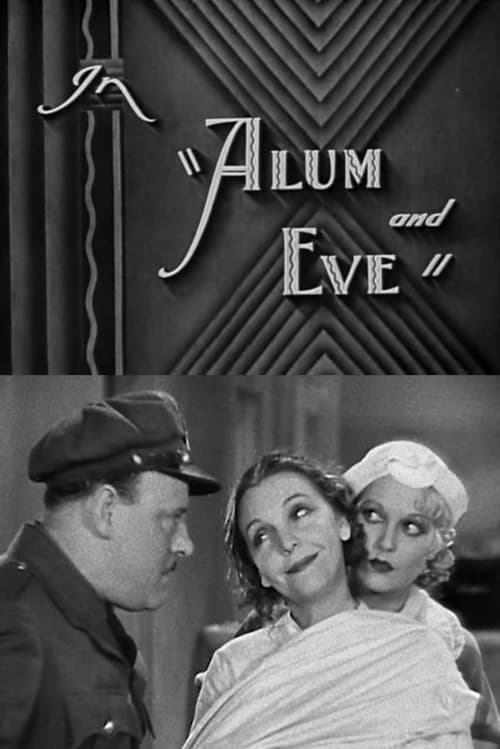
1932
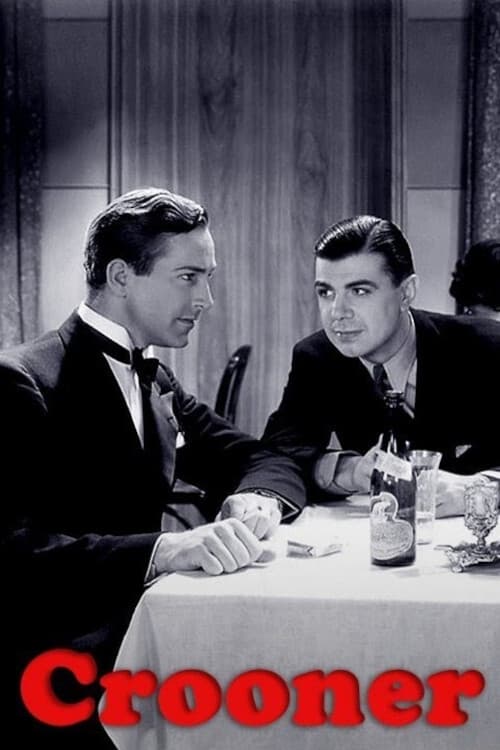
1932
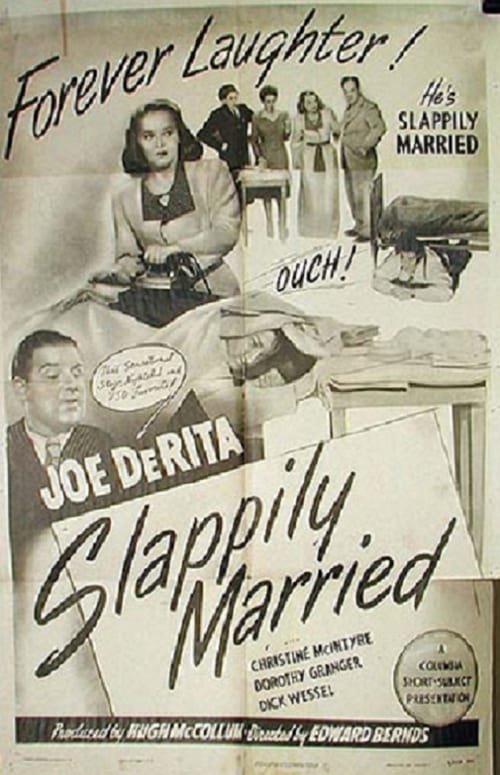
1946
No reviews yet. Be the first to share your thoughts on this movie!
Use the rating form above to leave a star rating and optional review.