
How to Deter a Robber
2021
No user ratings available yet
Diversity score: 2.3 out of 10
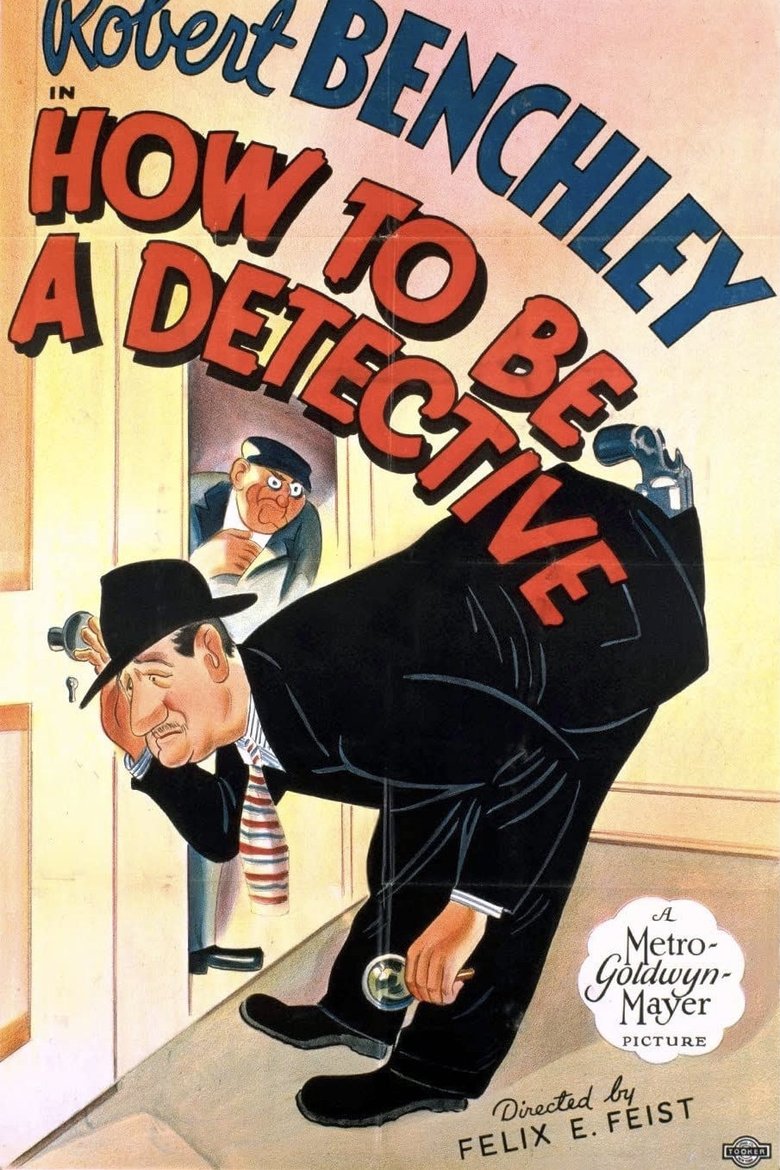
1936
NRDirector
Felix E. Feist
Runtime
9 minutes
Average Rating
No ratings yetSynopsis
This Robert Benchley 'How To' comedy short attempts to teach us how to profile criminals by physical characteristics.
Overall Score
Minimal
Category Breakdown
LGBTQ+ Representation
The film contains no evidence of non-cisnormative identities. Given the 1936 production era, such depictions were virtually non-existent due to strict industry censorship standards.
Gender Representation
The comedy centers on the persona of Robert Benchley. It appears to adhere to traditional comedic archetypes of the era without subverting gender hierarchies.
Racial & Ethnic Diversity
The premise of profiling criminals by physical characteristics is problematic. This methodology often relied on visual tropes that reinforced existing racial hierarchies.
Religious & Cultural Diversity
The narrative functions within a traditional Western comedic framework. It likely reinforces the 1930s social status quo through its instructional humor.
Disability Representation
There is no information available regarding the inclusion or portrayal of characters with physical or neurodivergent disabilities.
Strengths
Areas for Improvement
AI Analysis
How to Be a Detective is a period-specific comedic short that prioritizes instructional parody over social exploration. Its focus on physical profiling as a comedic device aligns with the traditional social hierarchies of the mid-1930s. The film lacks the narrative complexity needed to engage with intersectional identities. It functions primarily as a vehicle for observational humor rather than a tool for systemic critique. Ultimately, the work reflects the standardized social structures of the early studio era, offering little in the way of diverse representation or the subversion of power dynamics.
2021
1914

2018

1937
1958

2011

1954

1960

1959
1967
1942

1956
No reviews yet. Be the first to share your thoughts on this movie!
Use the rating form above to leave a star rating and optional review.