
The Man Who Was Sherlock Holmes
1937
No user ratings available yet
Diversity score: 1.0 out of 10
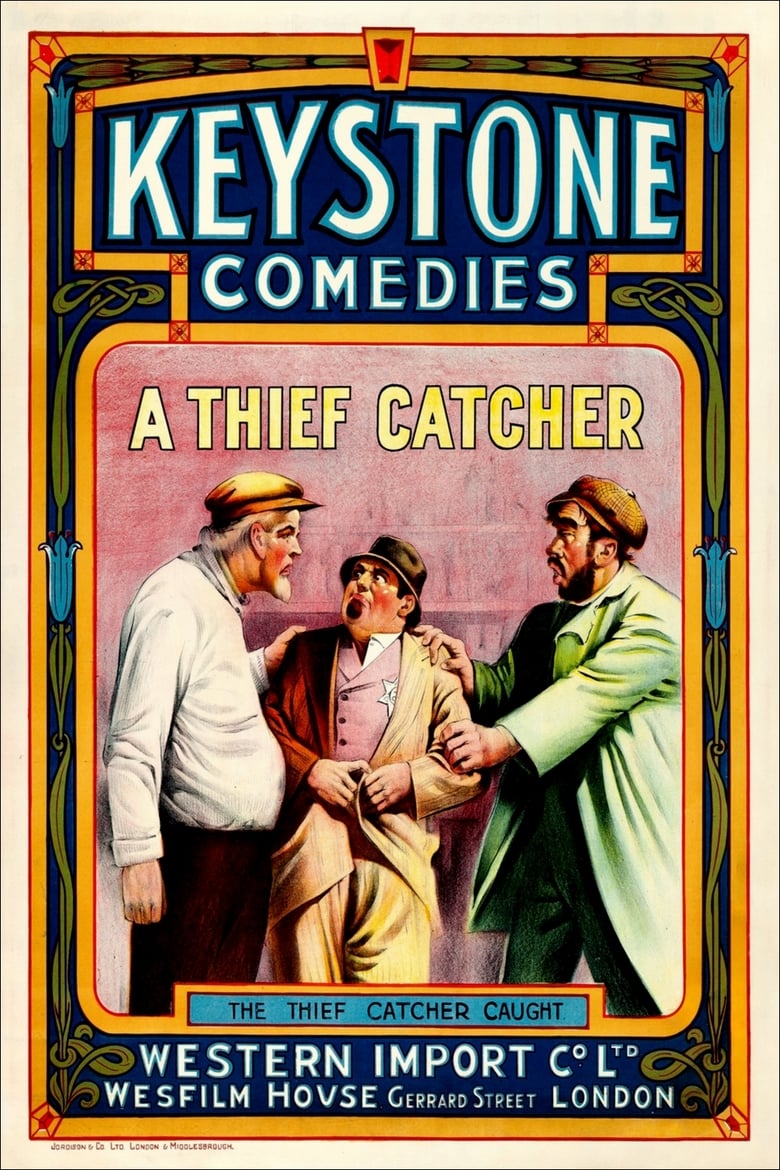
1914
NRDirector
Ford Sterling
Runtime
12 minutes
Average Rating
No ratings yetSynopsis
Two criminals chase a plainclothes policeman who, while taking out his dog, witnesses their crime.
Overall Score
Minimal
Category Breakdown
LGBTQ+ Representation
The film focuses on a standard crime and chase trope. There are no depictions of non-cisnormative identities or same-sex intimacy.
Gender Representation
The narrative relies on traditional archetypes of law enforcement and criminality. It appears to follow male-centric physical comedy hierarchies common in early slapstick.
Racial & Ethnic Diversity
The film likely reflects the homogeneous casting norms of the early silent era. No evidence of ethnic diversity or race-bent casting is present.
Religious & Cultural Diversity
The story adheres to traditional Western genre tropes of the 1910s. It operates within established social frameworks rather than deconstructing them.
Disability Representation
There is no evidence of characters with disabilities being portrayed with agency. No such representation is central to the narrative arc.
Strengths
Areas for Improvement
AI Analysis
A Thief Catcher is a brief silent comedy centered on a kinetic chase between criminals and a plainclothes officer. The film functions as a situational slapstick piece rather than a character-driven exploration of identity or systemic power dynamics. Because of its 1914 origins, the work lacks intentional intersectional narrative architecture. It relies on established genre tropes of the era, which prioritized physical comedy over diverse social representation. Ultimately, the film reflects the homogeneous casting and social frameworks of early 20th-century cinema, offering little engagement with modern concepts of diversity.
1937

1948

1919

1951

1930

1996
1940
1925

1968
1937
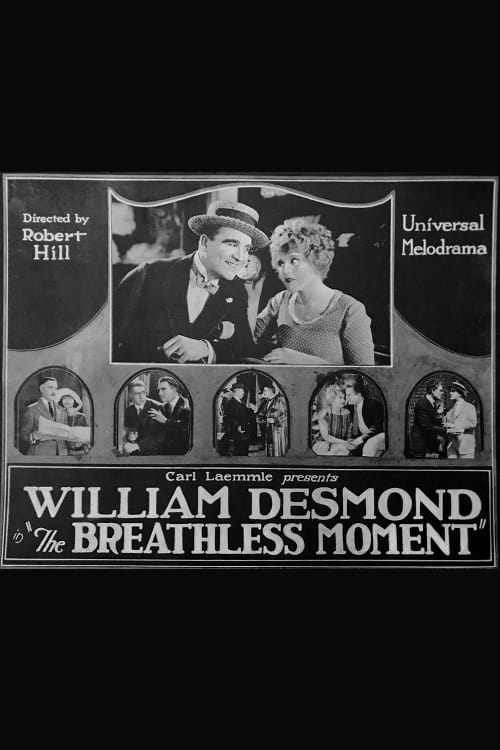
1924
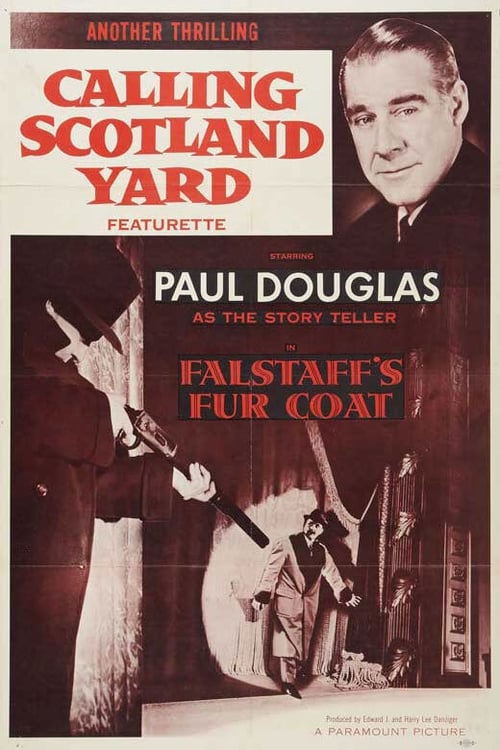
1954
No reviews yet. Be the first to share your thoughts on this movie!
Use the rating form above to leave a star rating and optional review.