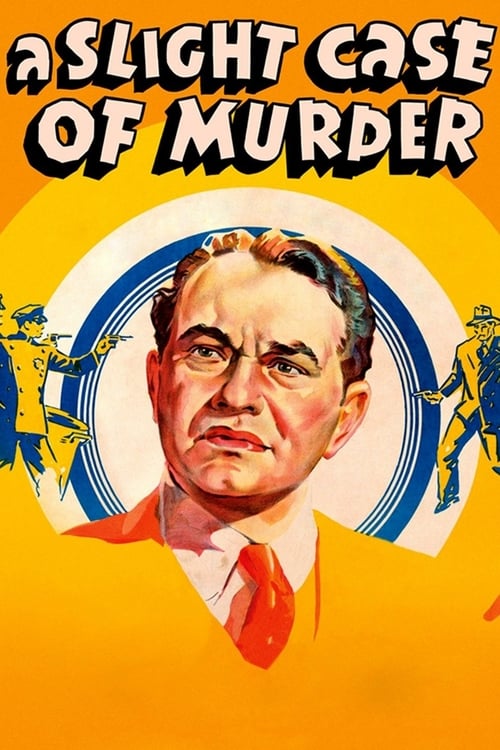
A Slight Case of Murder
1938
No user ratings available yet
Diversity score: 2.6 out of 10
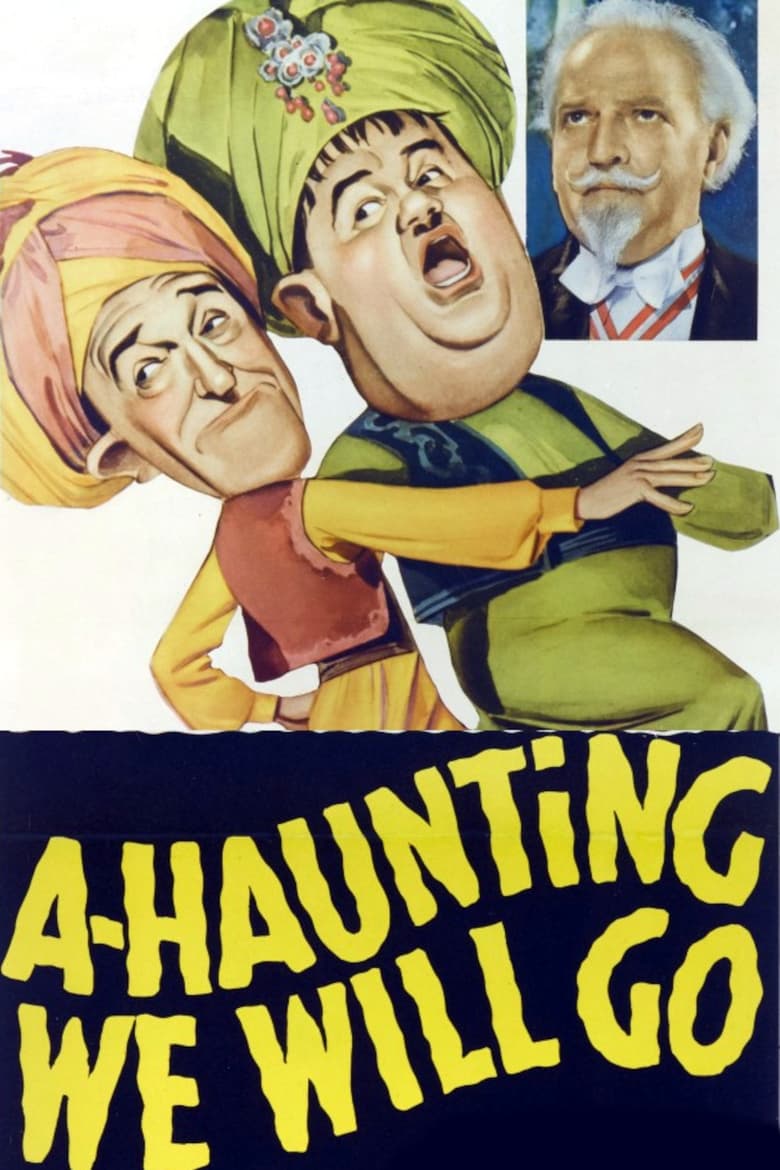
1942
NRDirector
Alfred L. Werker
Runtime
68 minutes
Average Rating
No ratings yetSynopsis
Stan and Ollie get involved with con men, crooks, a genial magician, and two interchangeable coffins with disastrous but funny results.
Overall Score
Limited
Category Breakdown
LGBTQ+ Representation
The film offers no visible representation of non-cisnormative identities. It adheres to the conventional social norms of 1942, lacking any narratives that critique heteronormativity.
Gender Representation
Comedy is centered around male protagonists, relying on traditional gender roles. The humor stems from situational farce rather than any subversion of gender hierarchies or masculinity.
Racial & Ethnic Diversity
The narrative focuses on a homogeneous cast typical of mainstream 1940s productions. There is no evidence of diverse character agency or race-bent casting.
Religious & Cultural Diversity
The story operates within a traditional Western comedic framework. It lacks critiques of Western institutions or secularism, focusing instead on individual mischief and social order.
Disability Representation
There is no mention of characters with visible or invisible disabilities. No data exists regarding the portrayal of neurodivergence or physical impairment.
Strengths
Areas for Improvement
AI Analysis
A-Haunting We Will Go is a product of the 1940s studio system, prioritizing slapstick archetypes over intersectional storytelling. The film functions as a traditional period piece that reflects the social constraints of its era. Its narrative structure relies on established comedic tropes rather than intentional efforts to disrupt power dynamics or identity expectations. The focus remains on localized crime and situational chaos involving a homogeneous cast. Ultimately, the film lacks the diversity required to challenge systemic hierarchies, instead adhering to the mainstream Hollywood conventions of the early 1940s.
1938
1950
1951
1940
1937
1942
1952
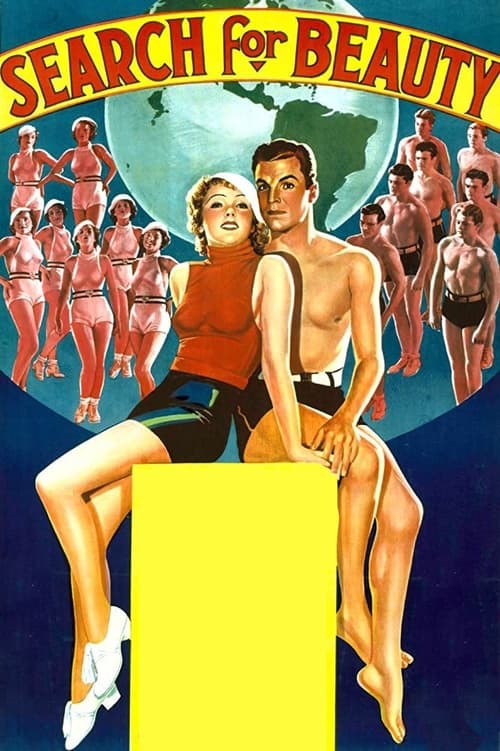
1934
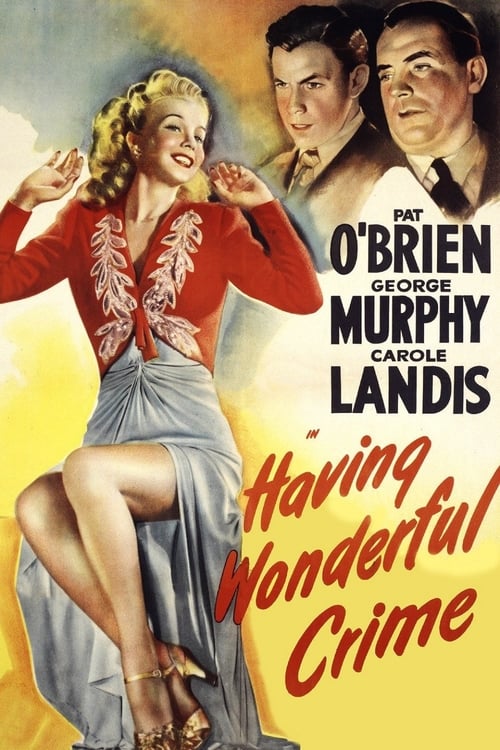
1945
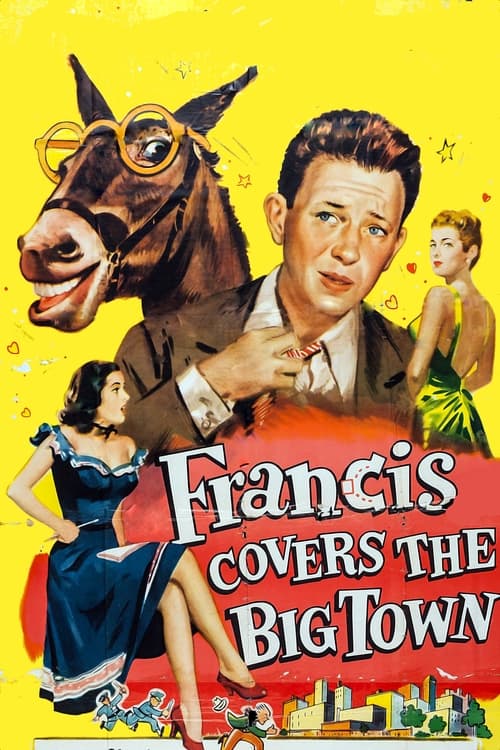
1953
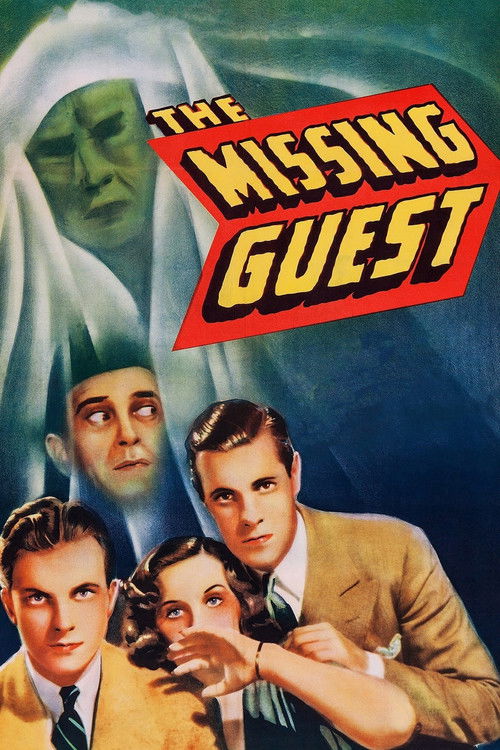
1938
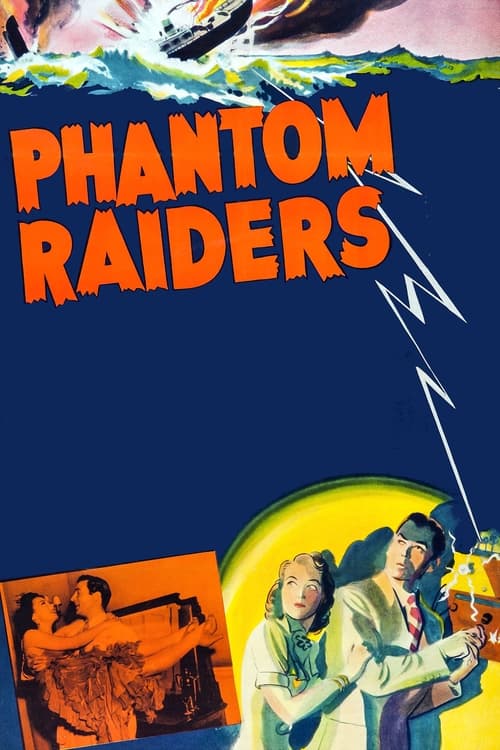
1940
No reviews yet. Be the first to share your thoughts on this movie!
Use the rating form above to leave a star rating and optional review.